🧭 Factsheet
Route: From Kirkwall to Inverness
Period: 5 June to 15 June 2026
Distance: 130 nautical miles
Highlight: Champagne sailing on the North Sea
📍 Our route & legs
Leg: Kirkwall → Weddel Sound (Orkney)
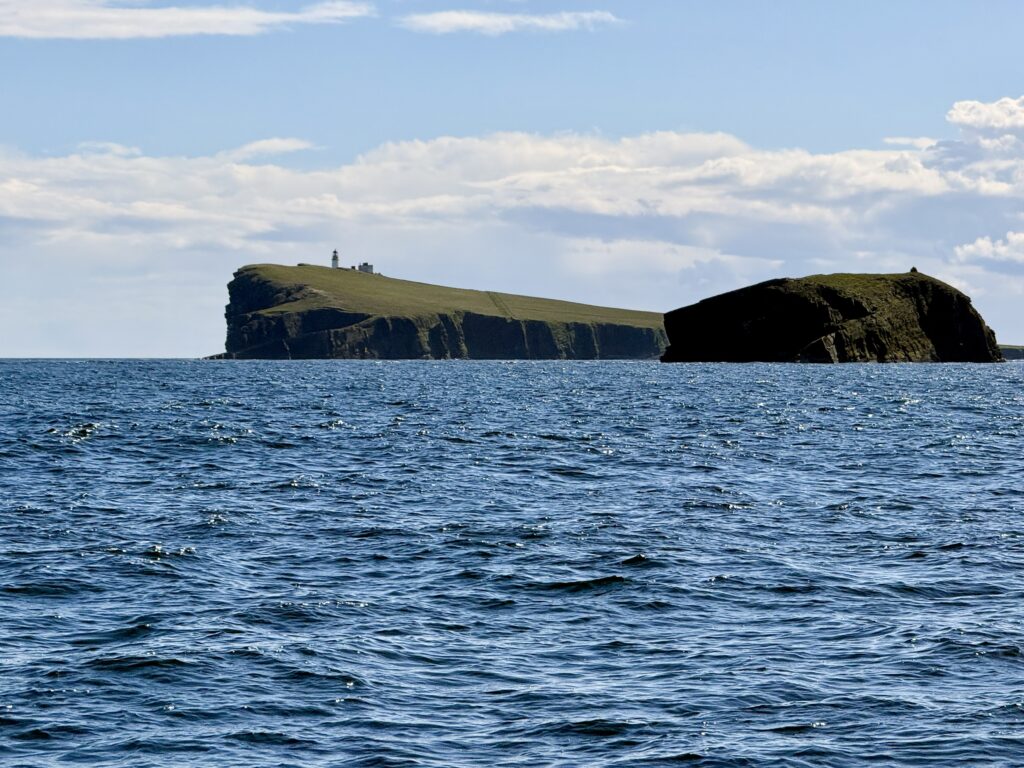
We split the planned crossing to the Scottish mainland into stages. Not only because we had to work, but also because it made planning around the tides easier. Right outside Kirkwall we had to pass through the “String”, where the tide can easily run at 4 knots. Remembering what happens when that meets swell from offshore, we wanted to pick a favourable moment. So we waited until just before high water in Kirkwall and then left the harbour. That gave us around three knots of current in the String, which then gently carried us further down the coast towards South Ronaldsay. We wanted to see the striking and spectacular coastline of Copinsay and its Horse of Copinsay from the sea, so we made a small “sightseeing detour”. Once we reached our anchorage in Weddel Sound, it quickly became clear that it wouldn’t be particularly calm. Even the barely noticeable North Sea swell in a south-easterly wind made TIAMAT swing like a metronome. But with no real alternatives and a convenient location, we accepted it. It was only for one night.
Leg: Weddel Sound (Orkney) → Wick
After a short working day, we set off for the mainland at midday. The critical point was the current coming out of the notorious Pentland Firth. Here, in the narrows, the water can run at up to 12 knots during spring tides. Luckily, we had neap tides. Even at the Sandy Riddles, a sandbank off the Pentland Skerries, strong currents can create uncomfortable—and in unfavourable conditions, even dangerous—waves, especially for small boats. Our pilot book recommended giving the area a wide berth (around 6 nautical miles off the Skerries), and that’s exactly what we did.
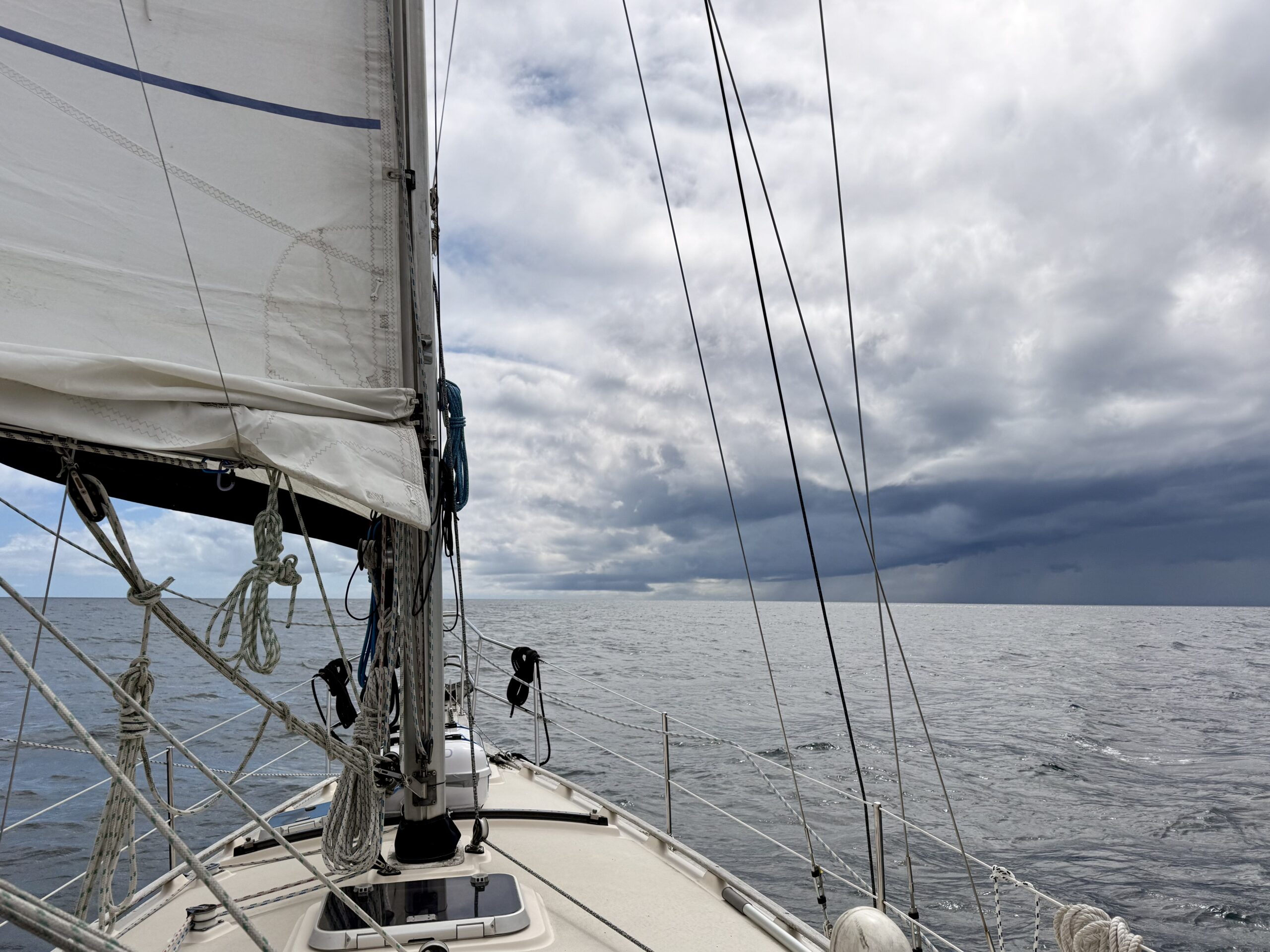
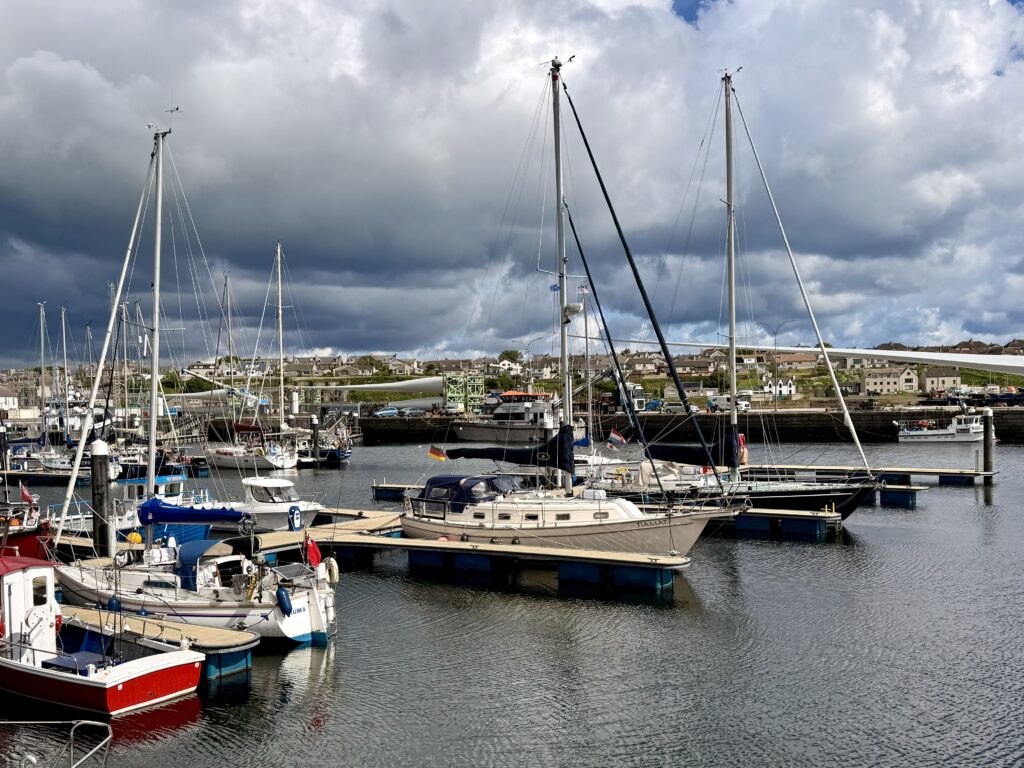
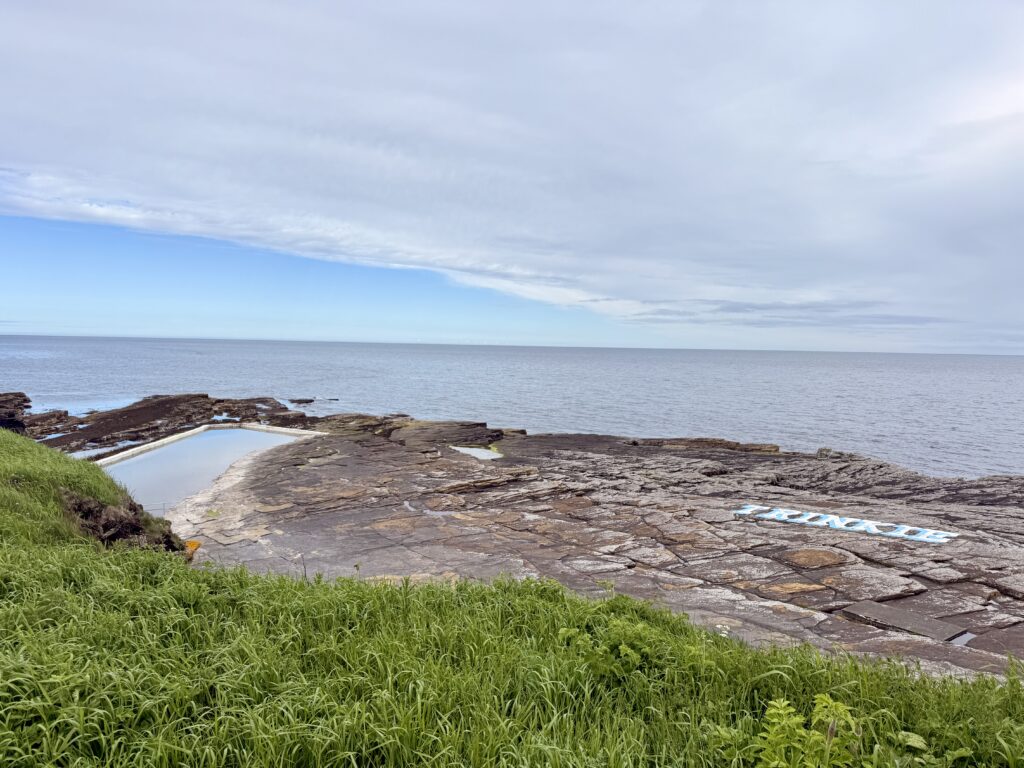
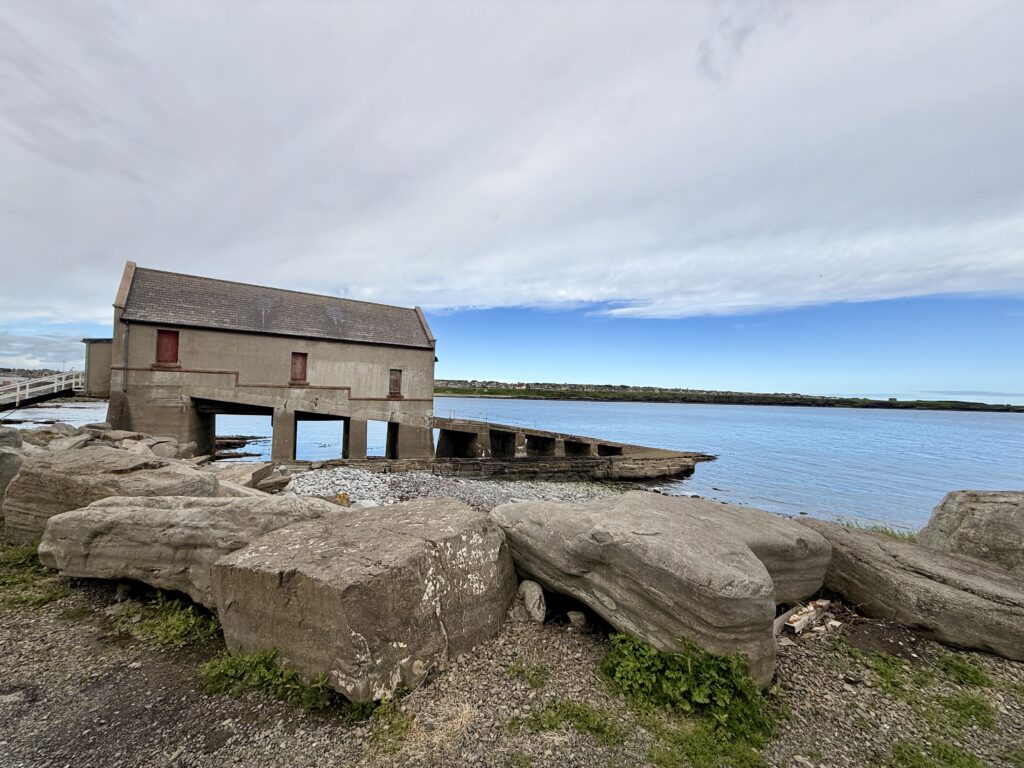
With the champagne conditions we had that day, it probably wouldn’t have been necessary—but it wasn’t a problem either. We had a westerly wind (so no wind-against-current situation) averaging a gentle 12 knots, and apart from some rain and the cold (12 degrees in June!), it was a great sailing day. With one reef in the main and both headsails set, a fair current and almost flat water, we sped south towards the Scottish mainland. In Wick, we were warmly welcomed right at the pontoon by harbour master Ian, who showed us a free berth and took our lines. The days of arriving in a harbour—as is common in Scandinavia—finding your own spot and paying via app seem to be over. In Scotland, everything is very personal and a bit old-school—but in a charming way.
Leg: Wick → Inverness
The final long leg before the Caledonian Canal couldn’t really be split, so on the Sunday before our holiday we tackled the full 70 miles. We set off early, just before 6 a.m., to make the most of the rising tide. And of course, to avoid arriving too late in Inverness. The wind was also forecast to drop later in the day. At our early start it was overcast and cold, but we had a nice 12 knots from 120 degrees. That allowed us to sail at least half the distance. When the sun came out in the afternoon, the wind disappeared and we packed all sails away. In the Moray Firth, shortly after Wick, we briefly spotted a dolphin passing by. Unfortunately, I was too slow with the camera. It was probably in a hurry.
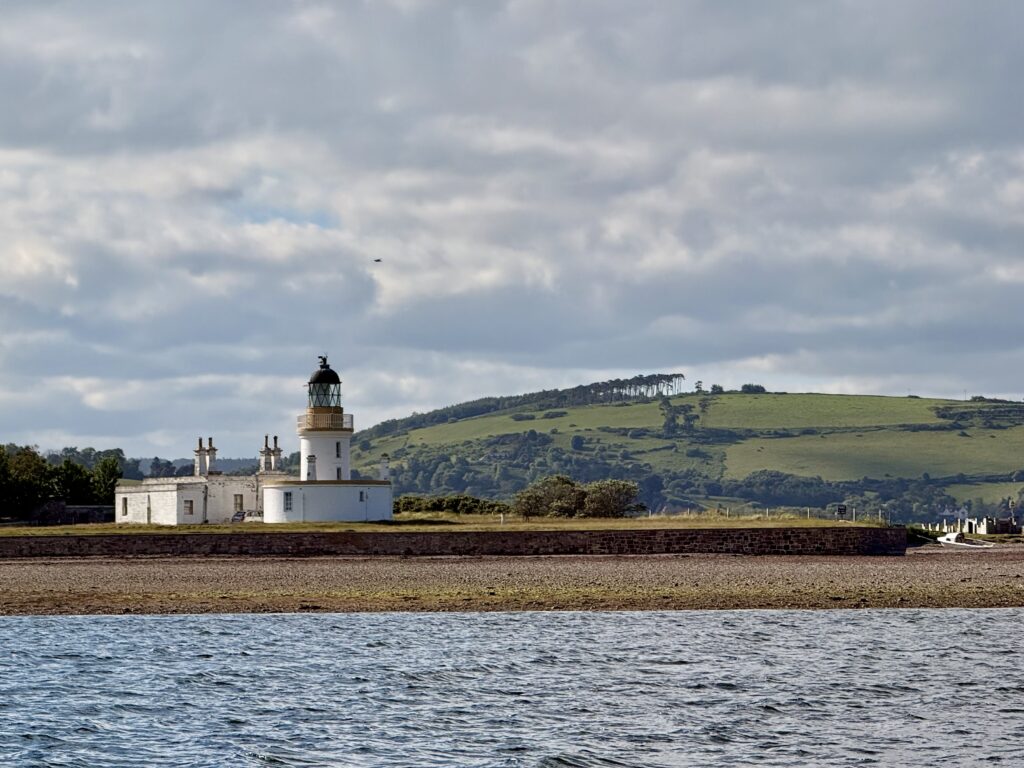
At Chanonry Point, where dolphins are often seen, none showed up for us. Still, this headland with its lovely lighthouse is very picturesque. With only a slight adverse current, we made it into Inverness Marina and found a berth straight away. It had been a long time since we’d stayed in such a large marina. Berthing fees here are noticeably higher than the already steep prices in the UK (52 € per day including electricity). Two days later, we set off into the canal together with our friends.
🗺️ Special experiences & learnings
- The Moray Firth is famous for good chances of spotting dolphins. We only saw one very briefly (unfortunately), but were still delighted.
⚓ Our favourite place on this trip
- Inverness
💡 Practical tips for fellow sailors
- Tide information: Easytide provides reliable tidal data.
- With west-going current and westerly wind, around 5 hours before Dover high water and in moderate wind, we had no issues with eddies or overfalls near the Pentland Skerries.
- From Kirkwall, a trip on bus X1 to the famous Neolithic settlement of Skara Brae is highly recommended.
- If you want to stock up in Inverness, it’s best done from the harbour inside the canal. A Lidl and a Co-op are right next to it. Alternatively, you can take a taxi from the supermarket, which will bring you back to the marina with full bags for just €12.
🖼️ Gallery
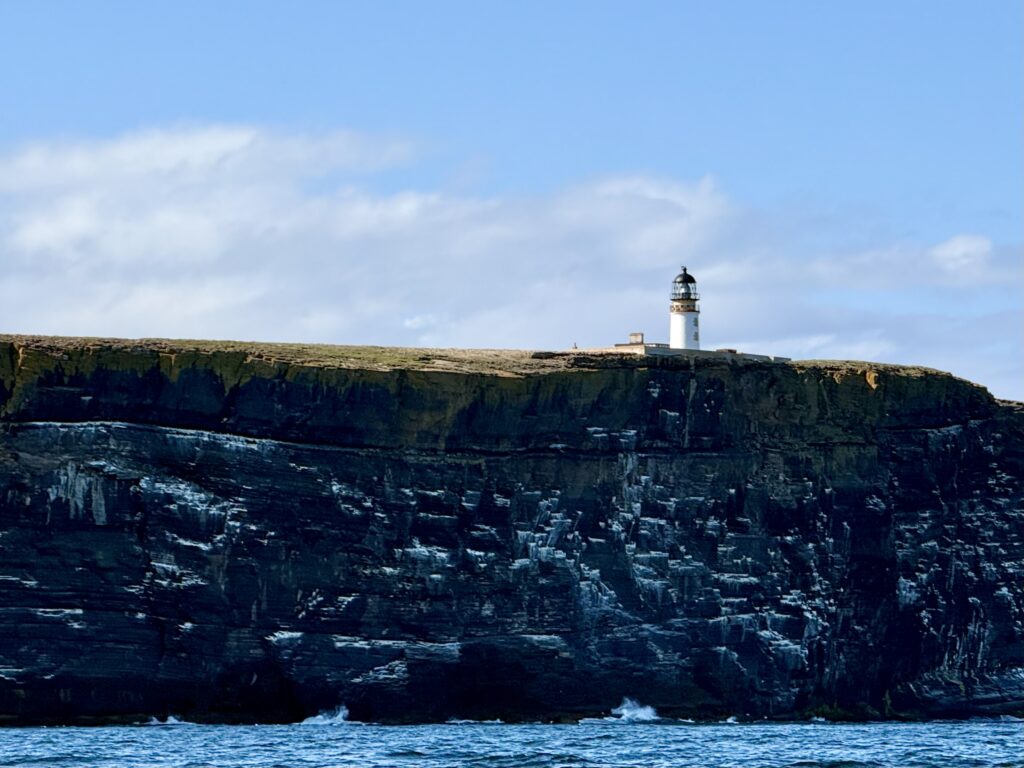
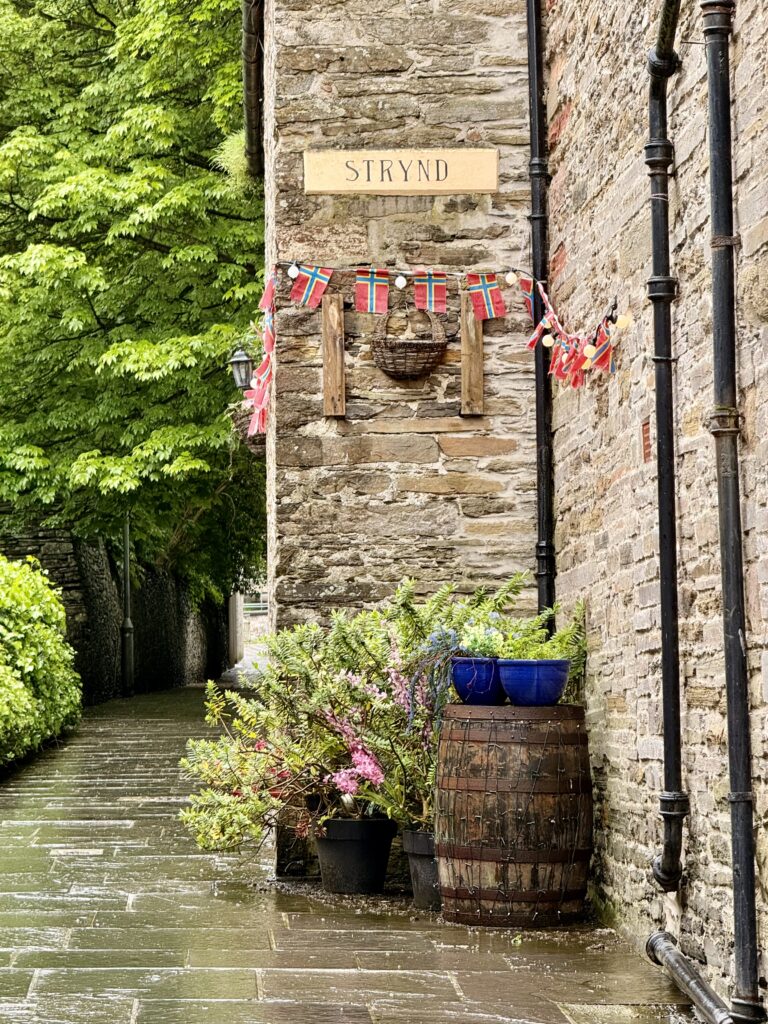
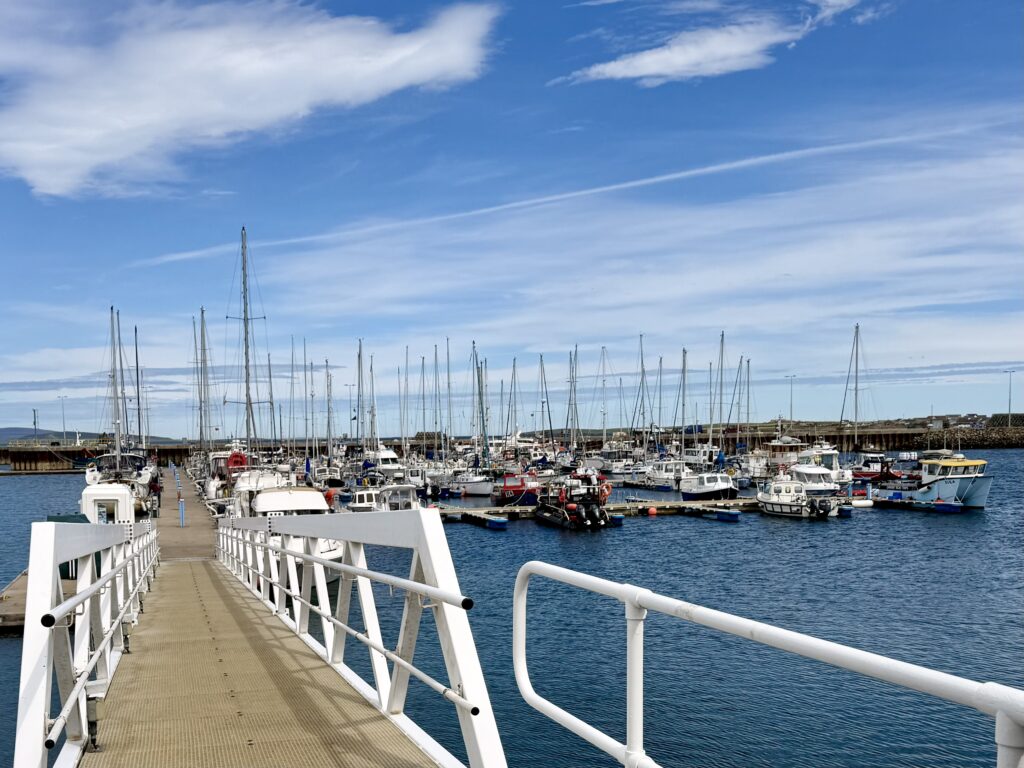
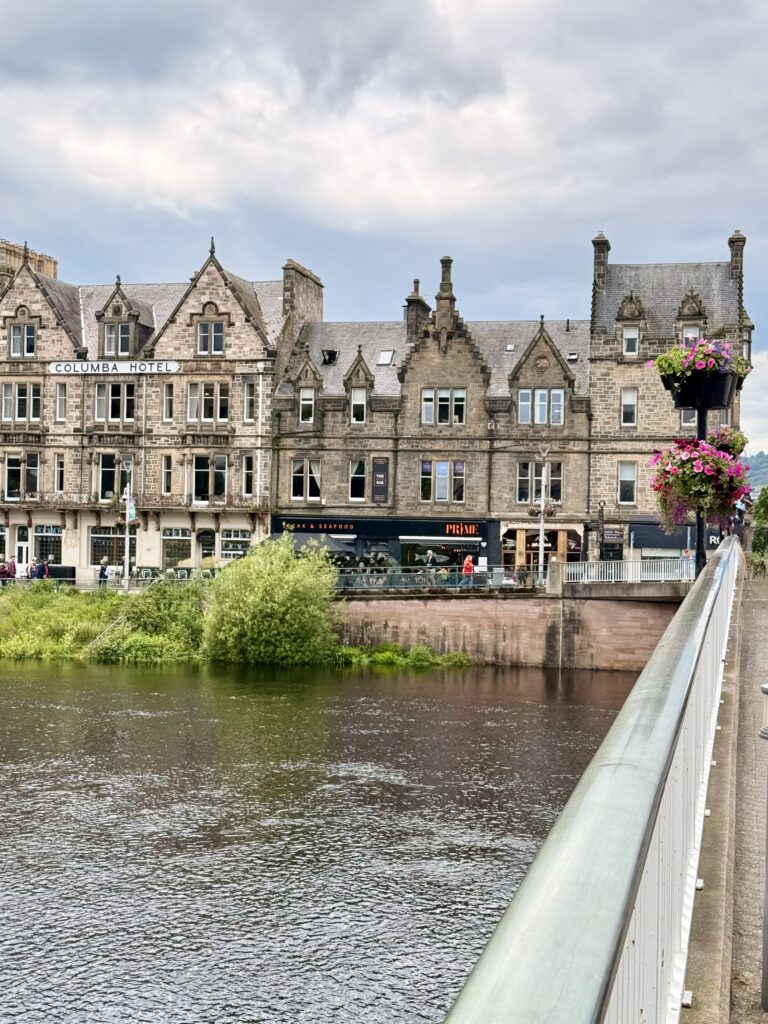
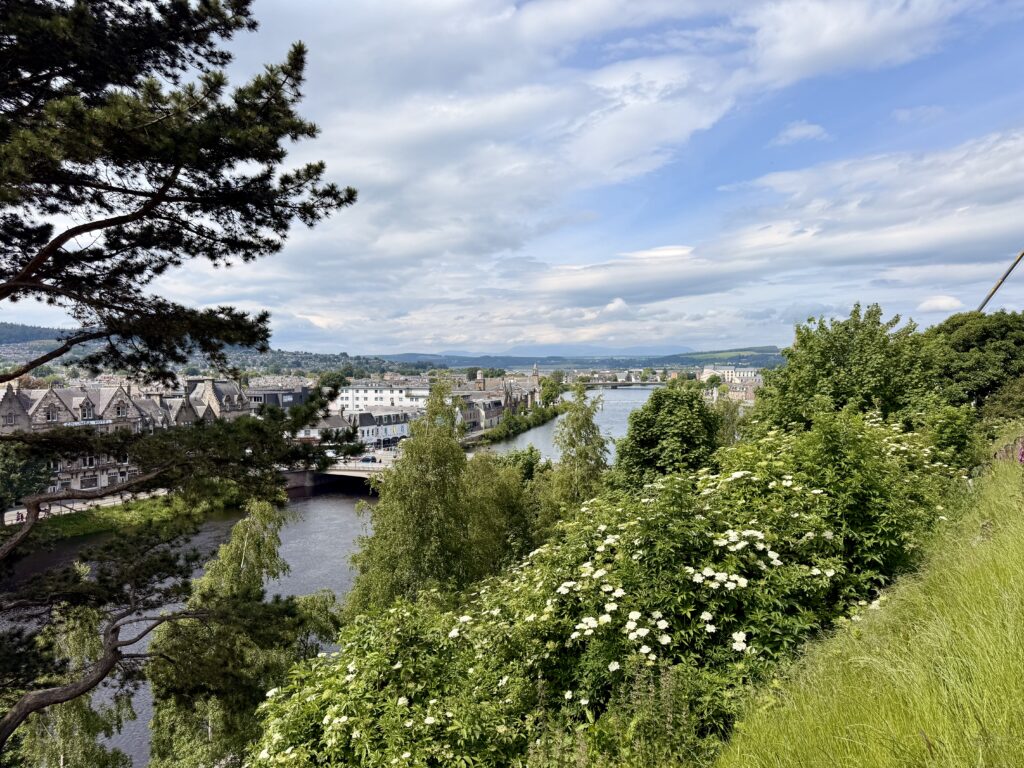
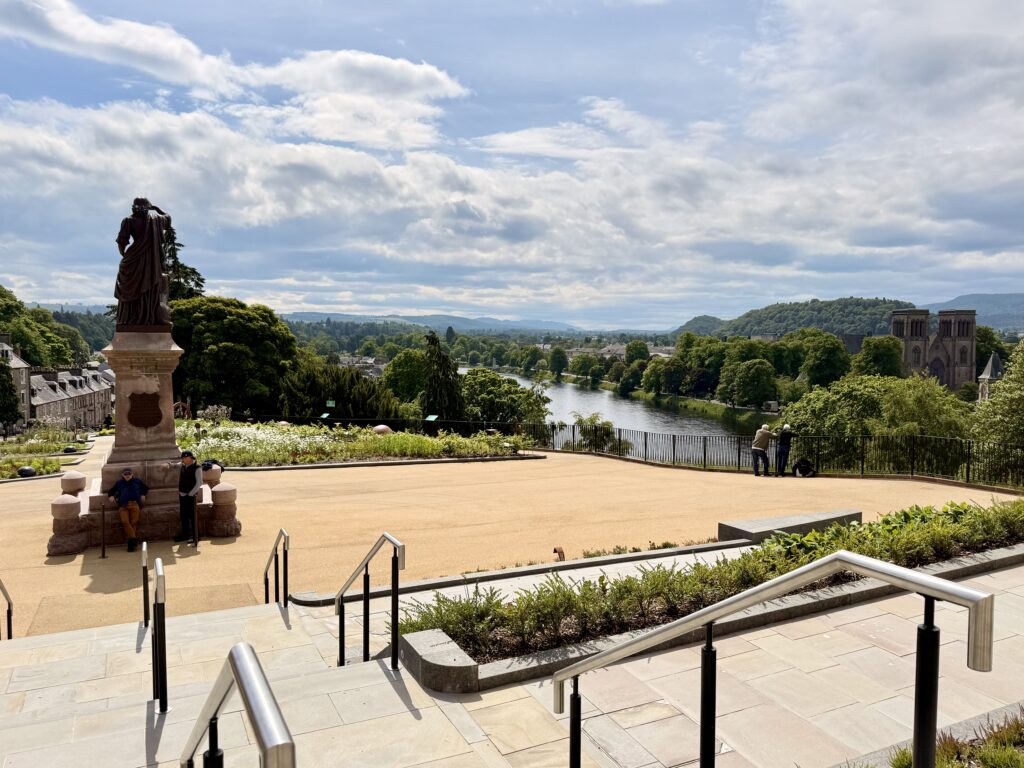
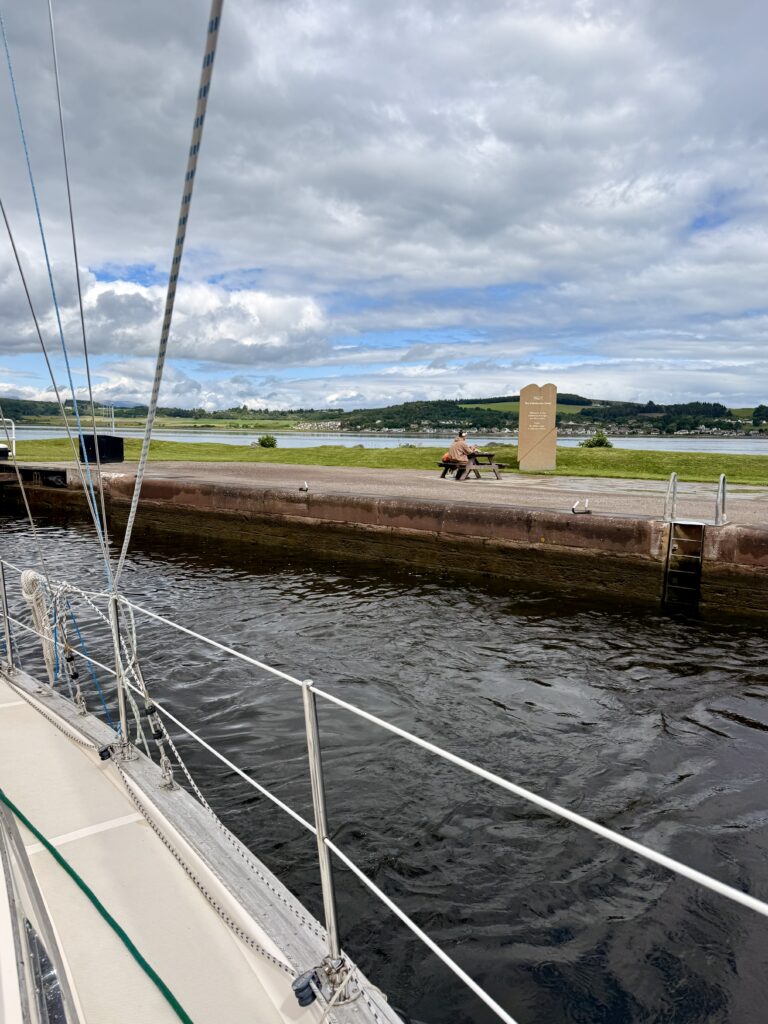
Our trip in pictures: From Kirkwall to Inverness