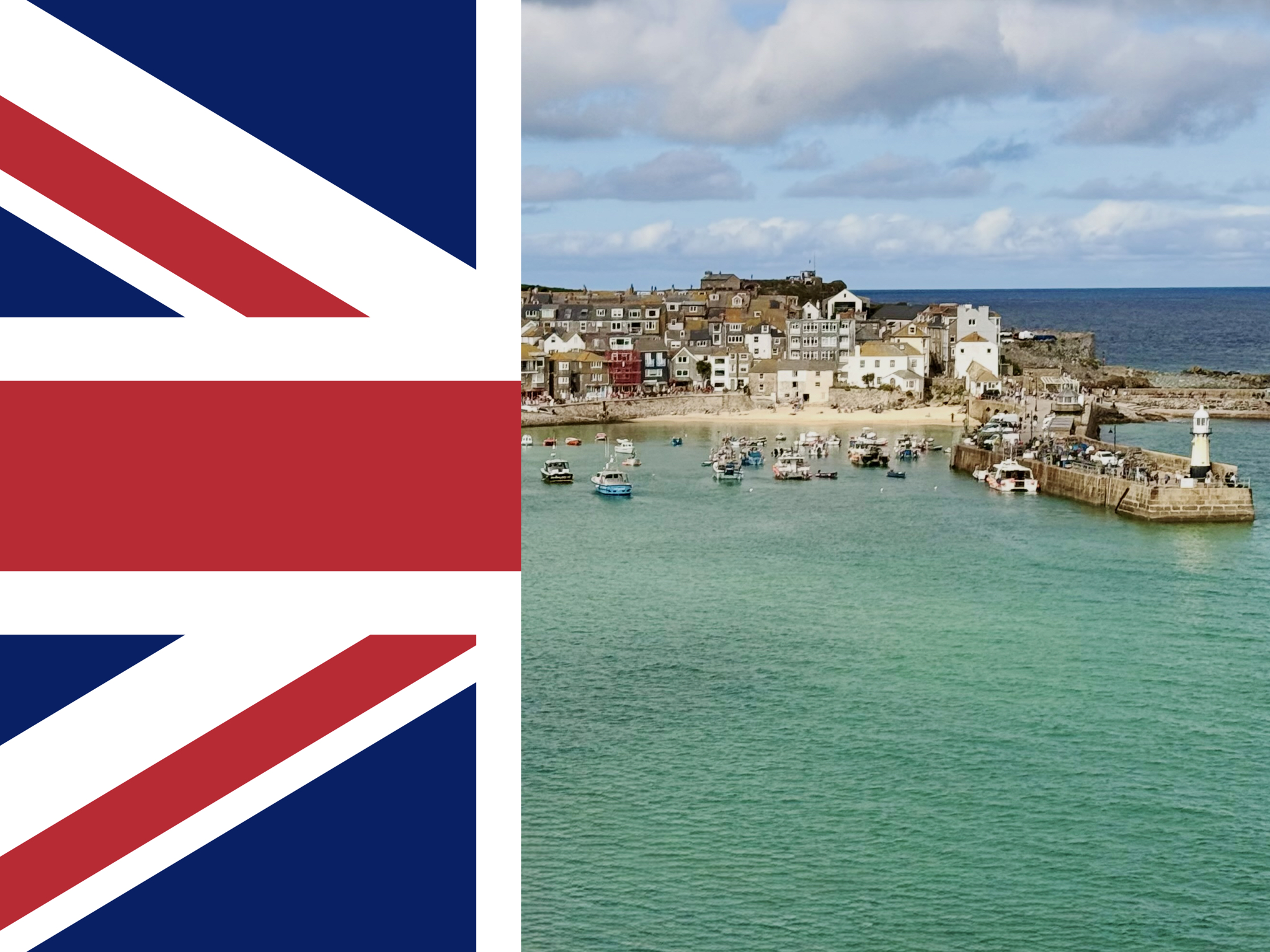
Scotland, Northern Ireland, Wales and Cornwall
Our trip
- 4 months
- 960 nautical miles
- 22 harbours
- 13 anchorages
Harbours & marinas
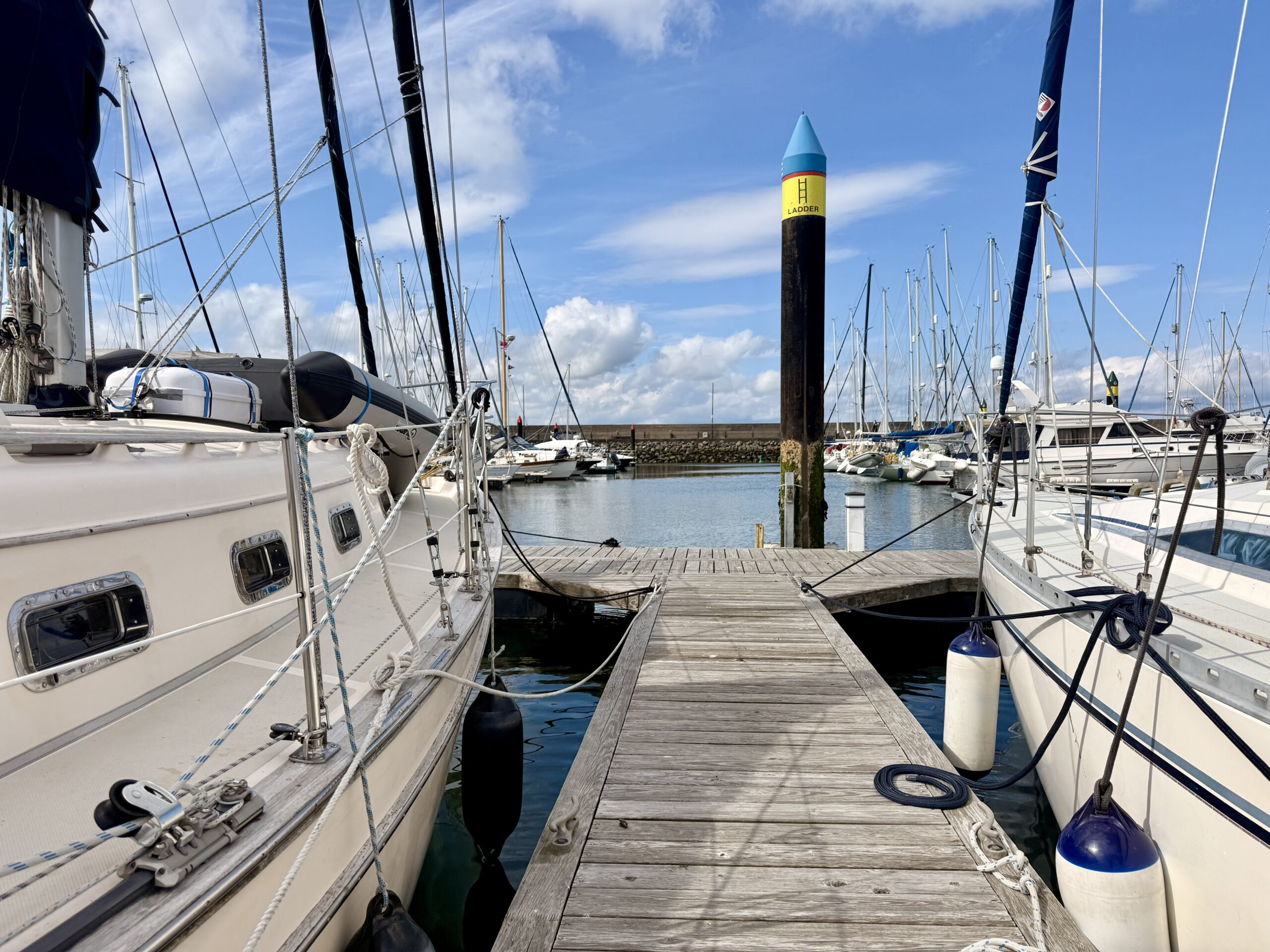
In the United Kingdom, harbours and marinas are generally professionally run. This is a real advantage, as there is always someone to speak to, and you can easily have deliveries sent to the harbour office. Of course, this service comes at a price.
In our experience, the season only really gets going in June, at least in Scotland. Many marinas provide at least basic facilities all year round, including autumn and winter. In southern England, the harbours were still full in September.
As the entire coast is tidal, many harbours have floating pontoons to berth alongside. In the small town harbours of southern England, on the other hand, you can often only moor alongside the quay wall, and rafting up is the norm even outside the high season. Alternatively, mooring buoys, usually subject to a charge, are available outside many harbours, and anchoring is also permitted (often only by arrangement with the harbour team).

As a rule, you contact the harbour office before entering the harbour (by radio or telephone) and are allocated a berth. In high season, the offices are often staffed for long hours, if not around the clock. Sometimes someone even greets you on the pontoon and helps you berth.
Some harbours have tidal access, meaning they can only be entered at certain times around high water. At other times, locks or flap gates are closed to maintain sufficient depth in the harbour as the tide falls. On our trip, Peel (Isle of Man) was the first harbour with tidal access. They became more common as we headed further south. Unfortunately, drying harbours are not an option for us. We sometimes regretted this in Wales and Cornwall, where the prettiest harbours dried out at low tide or were too shallow even for our 1.40 m draught.
Harbour fees and payment
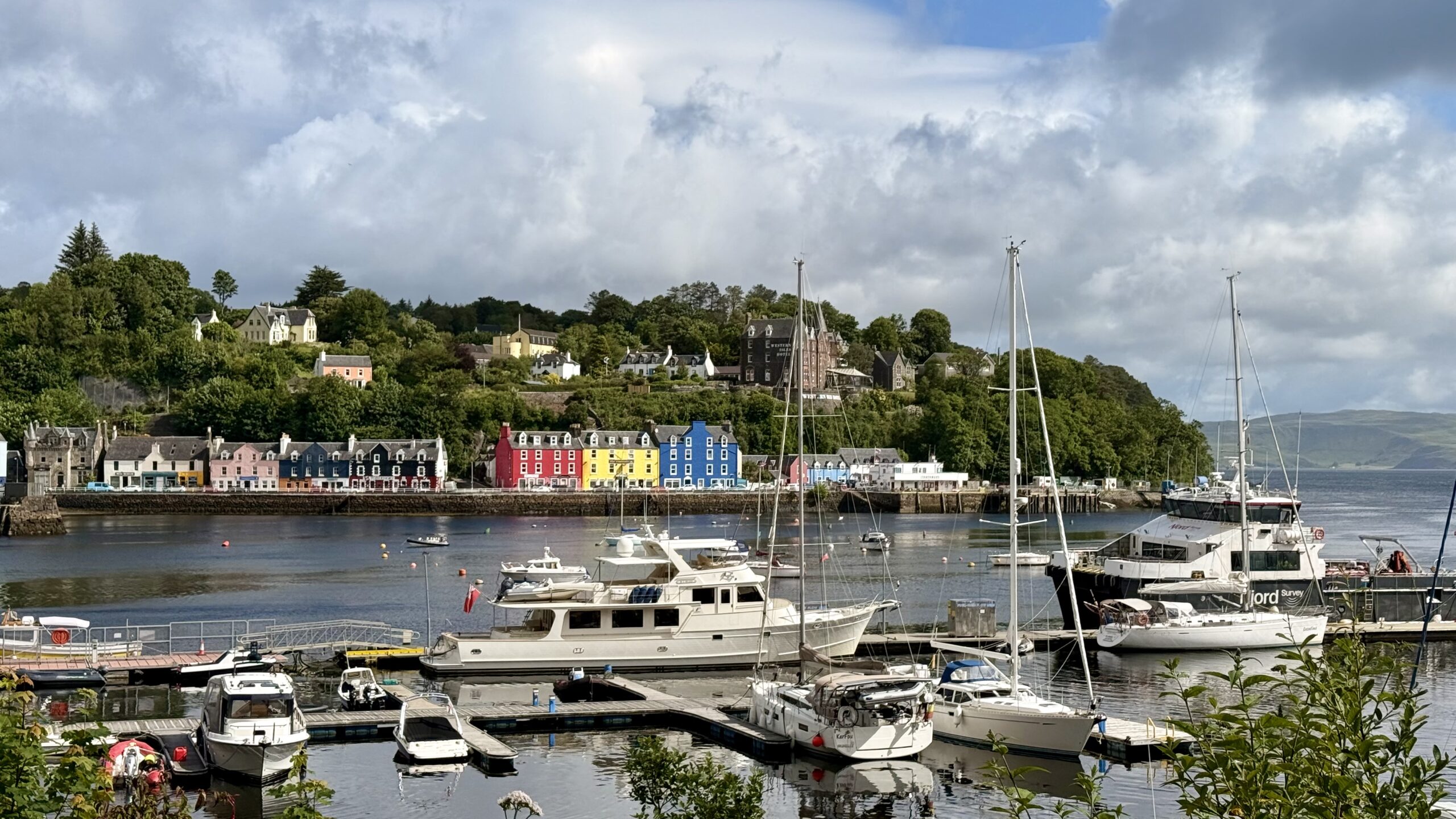
Harbour fees seem very expensive, at least when you are arriving from Scandinavia or Germany. For the first time, we were glad our boat was not that big. Rather than flat rates or size-based price bands, UK harbours generally charge by the metre. Rates were usually between £3.50 and £4.00 per metre. There is often a flat electricity charge of £4.00 per day on top. With our 11-metre yacht, we usually ended up paying around 45 €.
Despite the hefty prices, paying extra for showers was still common, at least in Scotland. Having to feed pound coins into antique-looking machines was a bit of a culture shock after our cashless life in Norway and Sweden.
Information about harbours and sailing in the UK
- Reeds The standard reference for cruising in the UK. However, we only found the tidal stream charts useful. We generally looked up tidal and harbour information online. We would therefore not buy the next edition. Too unwieldy and expensive for the amount of information we actually use. In our view, the important general information, including tidal stream charts and harbour plans, remains useful for several years.
- CCC cruising guides were what we bought for Scotland (Shetland, Orkney and the Hebrides). Each volume is very detailed but only covers a small area. Surely the best cruising guides you can get.
- Absolute Tide There are plenty of tide apps out there. We found this one very practical because it not only displays high and low water times but also matches the tidal stream data from Reeds to the correct times of day. That saves quite a bit of time when passage planning. And 2.99€ for a calendar year is perfectly reasonable for that.
Anchorages
As well as its many marinas and harbours, the beautiful coastline of the British Isles offers plenty of anchorages. Good holding is often easy to find. The tidal range, which can be considerable depending on the area, means a little more calculation is needed than in the Baltic, for example. As the British enjoy anchoring, arriving early secures the best spots not just in harbours. In one very popular but not particularly large anchorage in Scotland, we counted more than 12 boats on some days.
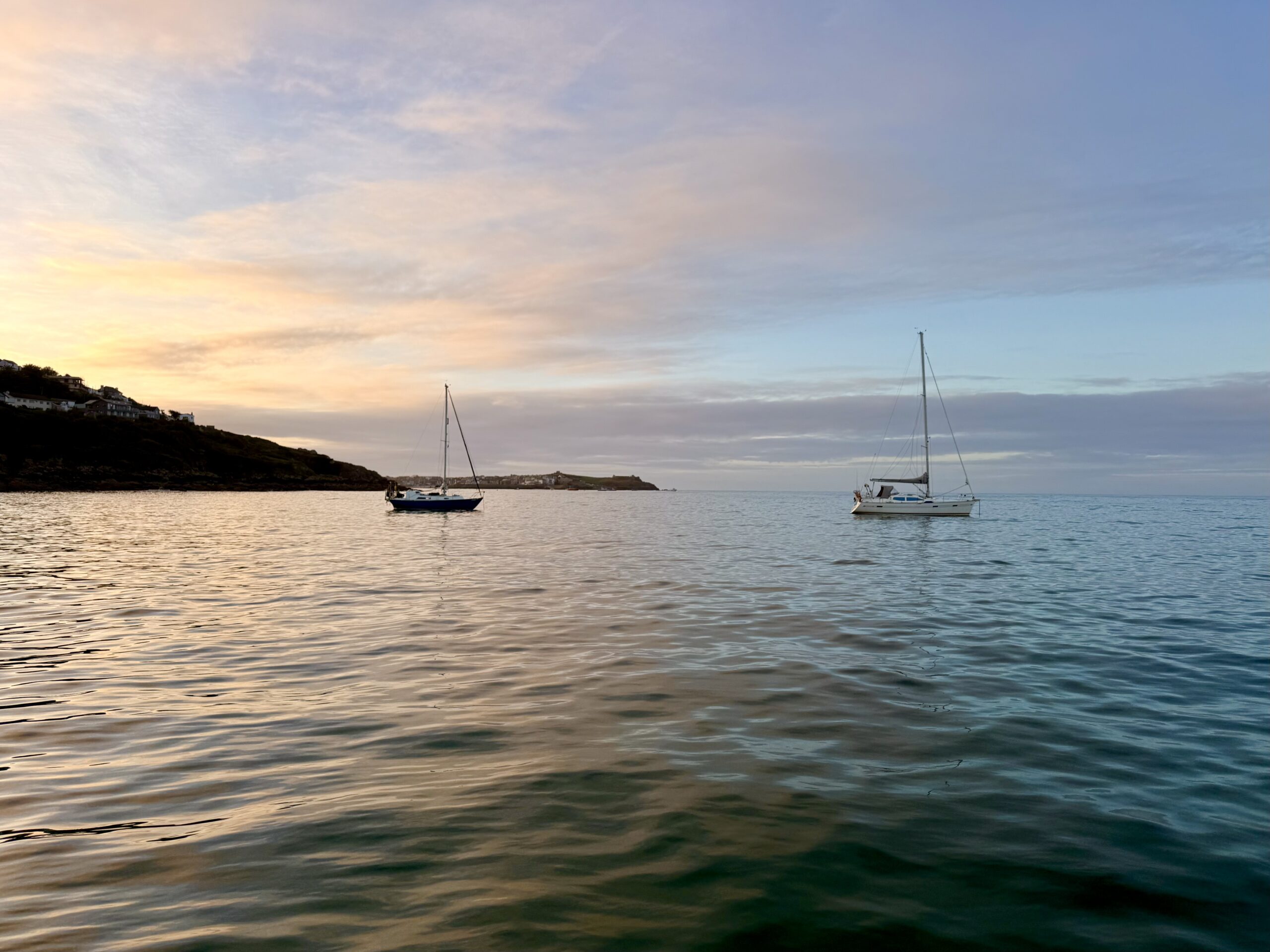
Weather & sea conditions
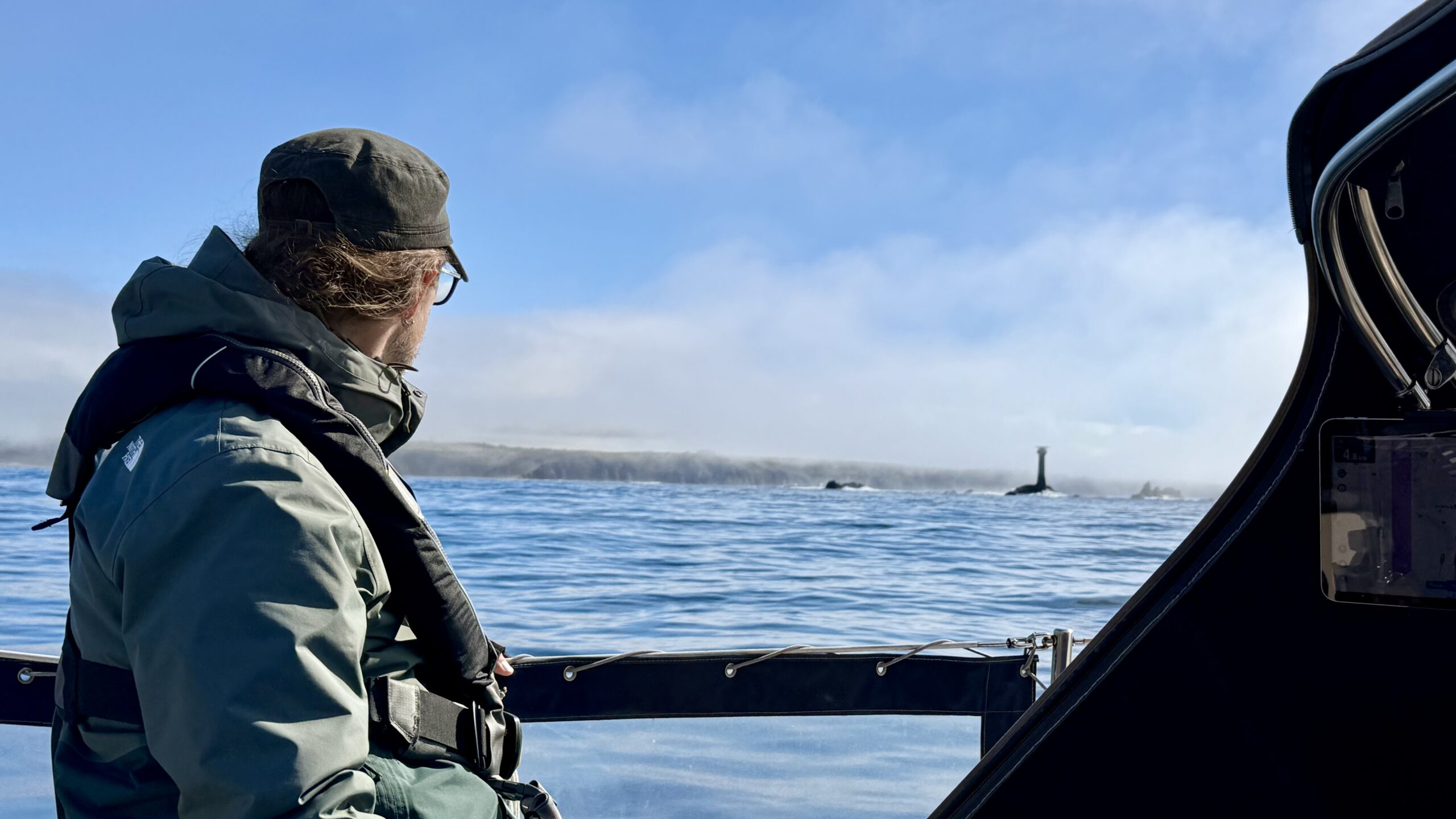
For us, the strong tidal streams were a greater challenge than the wind and sea conditions. Throughout the summer and into early autumn, we had light to moderate winds and no storms.
In Scotland, the weather was rather mixed from May to July. Temperatures in the low teens, plenty of rain and little sunshine. Things improved from late July onwards, with fewer rainy days. In Wales and Cornwall, we even had pleasant temperatures of around 20 degrees and plenty of sunshine in September.
Life aboard in the UK
Money
The British pound was worth slightly more than the euro in 2026, so prices converted into euros were always roughly 10% higher than the figures in pounds. Harbour fees are paid at the harbour office, either in cash or by card. We also needed quite a lot of cash in Scottish harbours, particularly coins for showers and washing machines/tumble dryers.
For payments by bank transfer, which can quickly become expensive outside the EU, we use the payment service Wise, where a transfer costs only 1-2 €.

Grocery shopping
For everyday grocery shopping, virtually every town has at least one larger supermarket (Tesco, Sainsbury’s, Co-op and even Aldi and Lidl) or at least a small grocery shop. We generally liked Tesco’s range and selection best. The large Tesco Superstores also have a huge non-food range (clothing, home accessories and tools). Supermarkets also stock a wide selection of alcohol.
The lower price, or rather the smaller number on the price tag, tempted us into impulse buys. A glance at the bank statement tells a different story, though: prices are higher than on the mainland, but lower than in Scandinavia.
Mobile internet & Wi-Fi
Network coverage and data speeds are more than disappointing. You will not get four bars of 5G on the mobile network even in major cities. British people confirmed to us that it is no better with UK SIM cards either. So roaming is not the problem. Fortunately, our German providers (Telekom, Congster) still treat the UK as part of the EU, so we incurred no roaming charges.
We were able to use the full data allowances on our prepaid cards without restrictions. Only our Swedish Telenor card stopped working. As far as the Swedes are concerned, Brexit is done and dusted. Many British people use Starlink because of the poor coverage. We are still doing without it.
Wastewater & diesel
We saw pump-out facilities for blackwater tanks in the larger UK harbours. As we do not need them with our composting toilet, we unfortunately cannot say much about them.
Diesel prices during our trip were around £1.90 per litre, or roughly 2 €. Recreational boats are allowed to use red diesel in the UK. Tax is automatically calculated on a 60/40 split between propulsion and heating (Propulsion/Domestic). We keep the receipts in case this ever raises questions in another country.
We have heard that carrying this diesel in jerry cans is not permitted. As we consider this a safety matter, we nevertheless carried at least one full can.
Entry formalities
As EU citizens, Germans generally do not need a visa for a tourist stay in the United Kingdom. An ETA is (usually) sufficient. We applied through the ETA app and received ours after a short processing time. The cost in 2026 was £20. This allows you to stay in the UK for up to 180 days. We were unable to establish conclusively whether the 180 days start again each time you re-enter.
You also need a passport valid for the duration of your stay.
To enter the country on a recreational boat, you also need a Small Pleasure Craft Report (sPCR). This must be submitted at least two hours before departure, and clearance is then given in person, by telephone or by email after arrival. A very straightforward system, really.
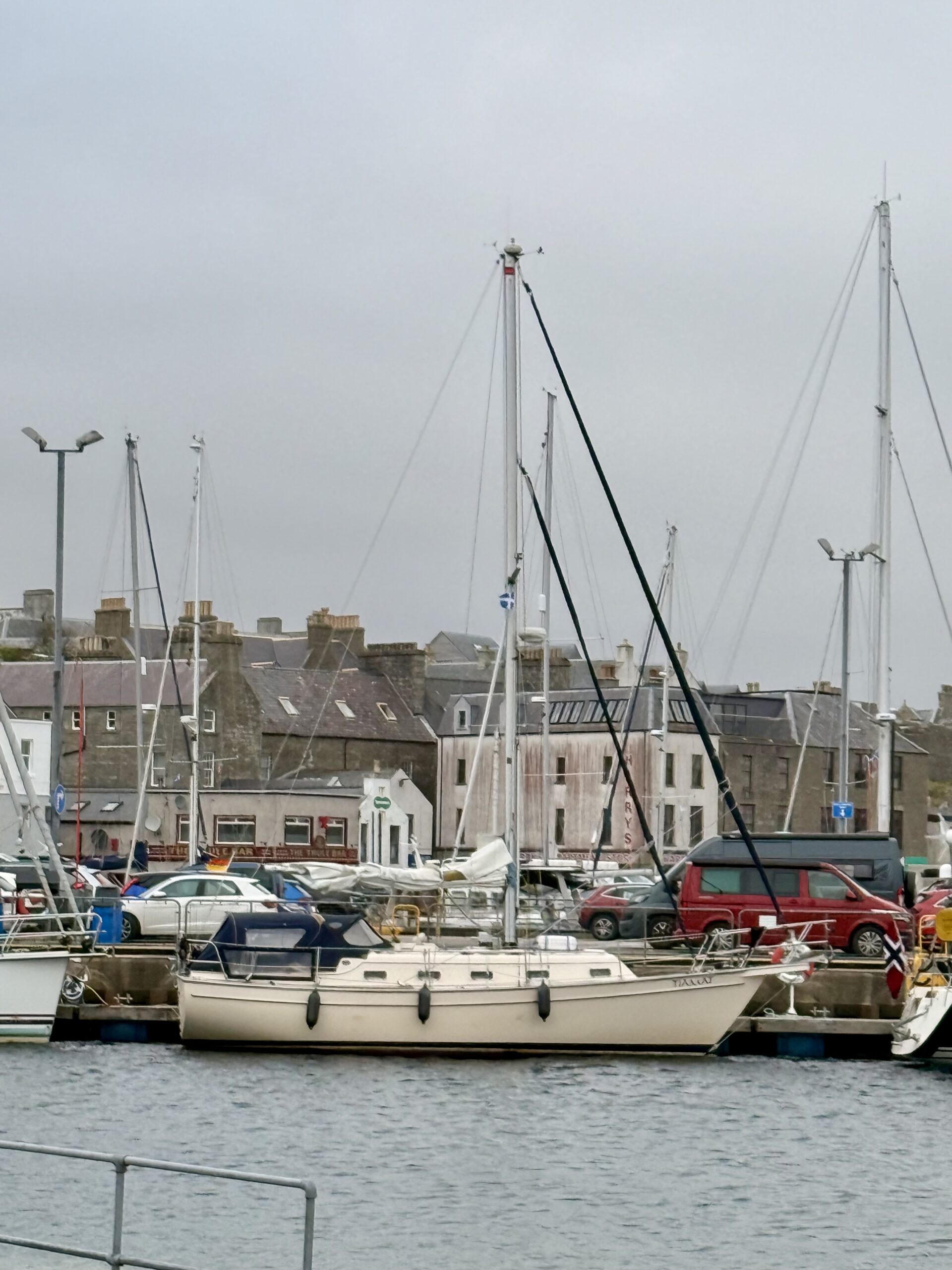
After arriving in Lerwick, we received a phone call and were able to lower the Q flag. When we re-entered in Wales from Ireland, we heard nothing. When we called the number listed for the region, they did not really know what to do with our enquiry. After a phone call lasting about 20 minutes, our entry formalities were complete. To this day, we do not know why it was such a problem. According to the website, foreign nationals must complete an sPCR despite the Common Travel Area (CTA) between Ireland and the UK. It is only unnecessary for journeys between Northern Ireland, the Isle of Man and Great Britain.
Important: an sPCR must also be completed when leaving the country.
Our favourite harbours and anchorages in the UK
Harbours
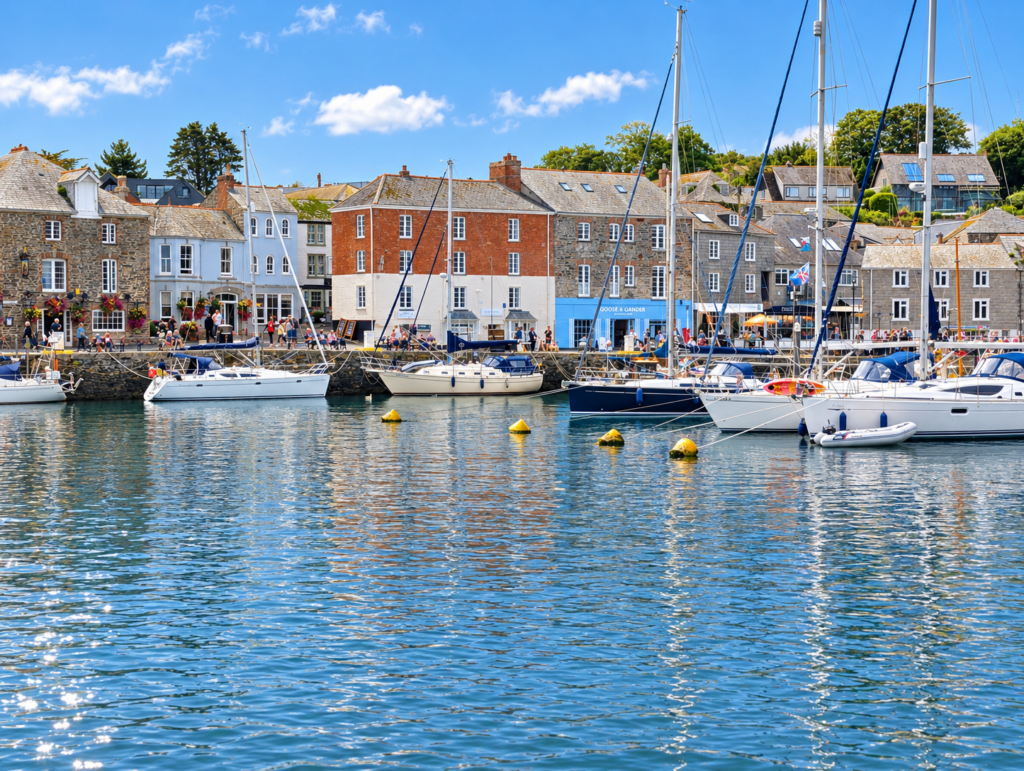
- Padstow (Cornwall)
A pretty little harbour right in the middle of town. Surrounded by shops, pubs and restaurants. For us, this is the best kind of spot. The shower and toilet facilities were excellent too, and the price was reasonable by UK standards. We paid £165 for a week for our 11 m boat. - Rathlin Church Bay (Northern Ireland)
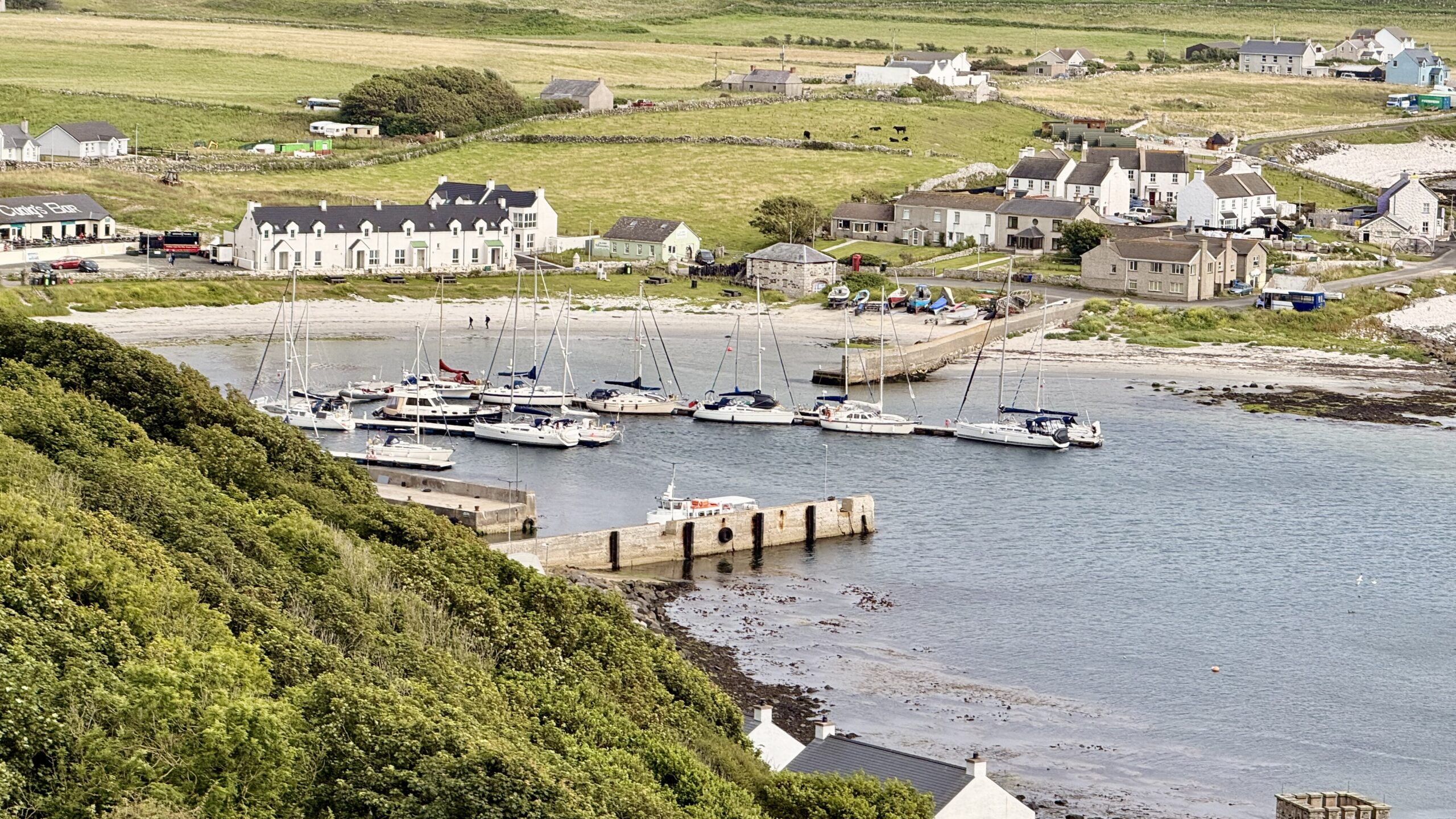
A small harbour on the rugged island of Rathlin. Strong tidal streams and overfalls all around. Inside, you are very well sheltered. The shower and toilet facilities are a little below par, but somehow it all fits. At £32 for 11 metres, the price is reasonable too. There was too much swell for our liking in the anchorage outside. - Kerrera Marina (Scotland)
The marina was actually our fallback option, as you can only stay in Oban for 3 days. As it turned out, it was not only cheaper but also run by a very friendly, helpful harbour team. Stay for a week and you get it for the price of 5 days (£3.40 per metre plus a £3 flat electricity charge).

Natural harbours & anchorages
- Port Ellen Anchorage (055° 37.757′ N / 006° 11.670′ W)
A lovely open bay with crystal-clear water and a dream beach. It is a quick dinghy ride to Port Ellen to pick up supplies. The aroma from one of Islay’s many whisky distilleries somehow felt like part of the experience. - Twin beaches of Gigha (055° 43.461′ N / 005° 44.026′ W)
Unfortunately, we could only stay here for one day, as there would have been no wind left for the crossing to Islay later on. Another wonderful spot, and practical too, with a north-facing and a south-facing beach. Both equally beautiful. - Invergarry Castle (057° 04.006′ N / 004° 46.620′ W)
An anchorage and a pontoon right beside the castle ruins. Just what we needed after the busy days working through the locks.


Affiliate notice: This page contains affiliate links. If you make a purchase through these links, we receive a small commission at no extra cost to you. Thank you for your support!