Our trip in the IJsselmeer and the Waddenzee
- twelve months
- 283 nautical miles
- 11 harbours
- 3 natural harbours or anchorages
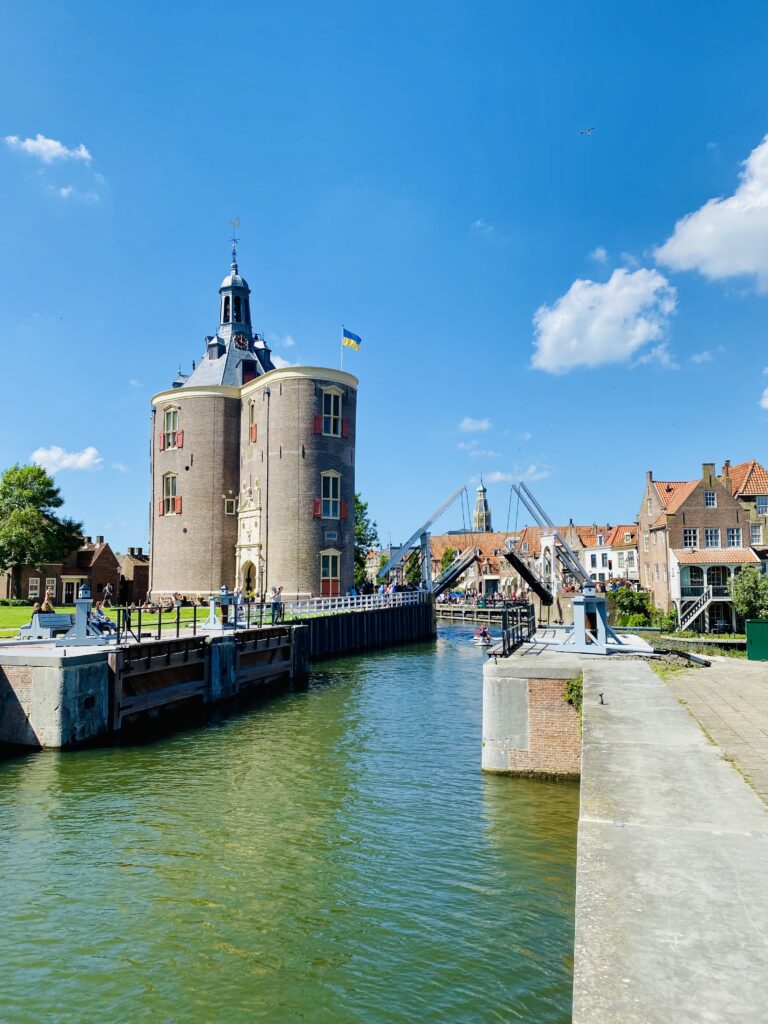
Sailing in the Netherlands – especially on the IJsselmeer, the Markermeer and the Wadden Sea – offers a unique experience for both experienced sailors and beginners. The Netherlands is known for its charming towns and rich maritime history and is a fantastic destination for sailors.
The IJsselmeer, a large shallow inland lake, is a popular sailing area in the Netherlands for both Dutch and Germans. It was separated from the North Sea in the 1930s by the construction of the Afsluitdijk. With relatively constant winds, no tidal differences and currents, and comparatively little swell, sailing on the IJsselmeer is also well suited for beginners.

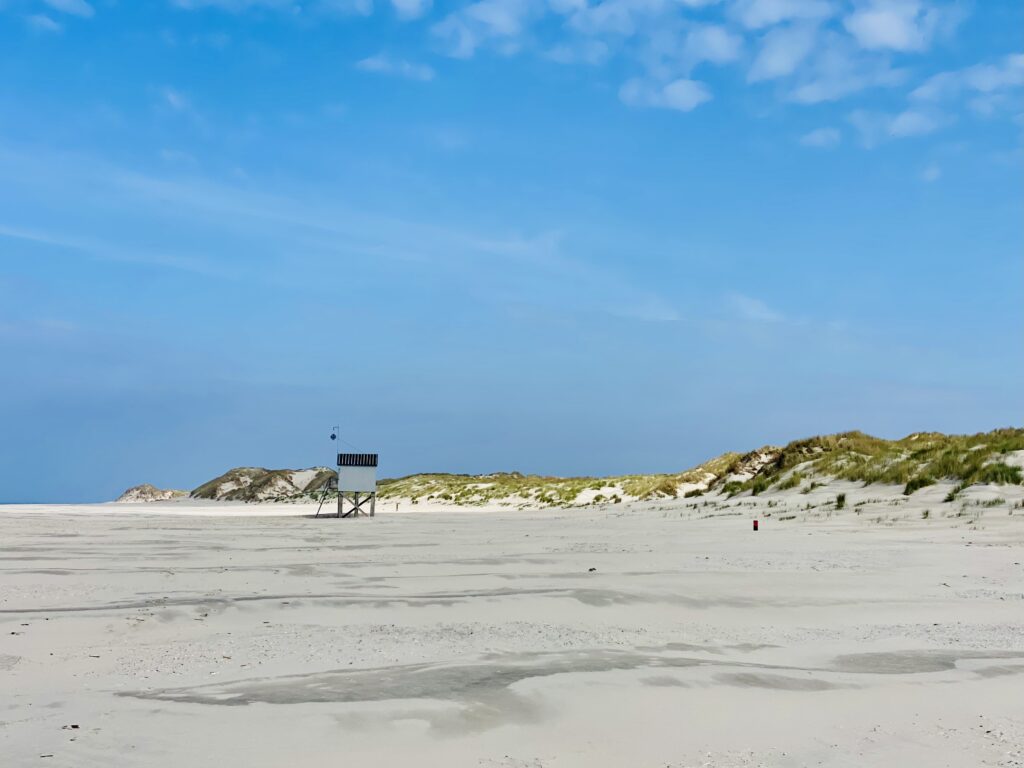
You shouldn’t miss the Wadden Sea north of the Afsluitdijk. It is a UNESCO World Heritage Site and is famous for its unique ecosystem, rich biodiversity and impressive mudflats. The area is protected from the North Sea by five islands, which also makes sailing pleasant here. Each of these islands has its own special features. We visited three by boat (Texel, Vlieland and Terschelling). We only know the other two (Ameland and Schiermonnikoog) as ferry tourists.
Harbours & marinas
Along the coast of the IJsselmeer and Markermeer there are predominantly medium-sized harbours and some quite large marinas. The sailing season in the Netherlands usually begins around Easter and ends for most people at the end of October. However, due to the relatively mild weather conditions, you can sail all year round if you don’t mind the cold and rain. It’s very rare for the water in the IJsselmeer and Markermeer to freeze over in winter.
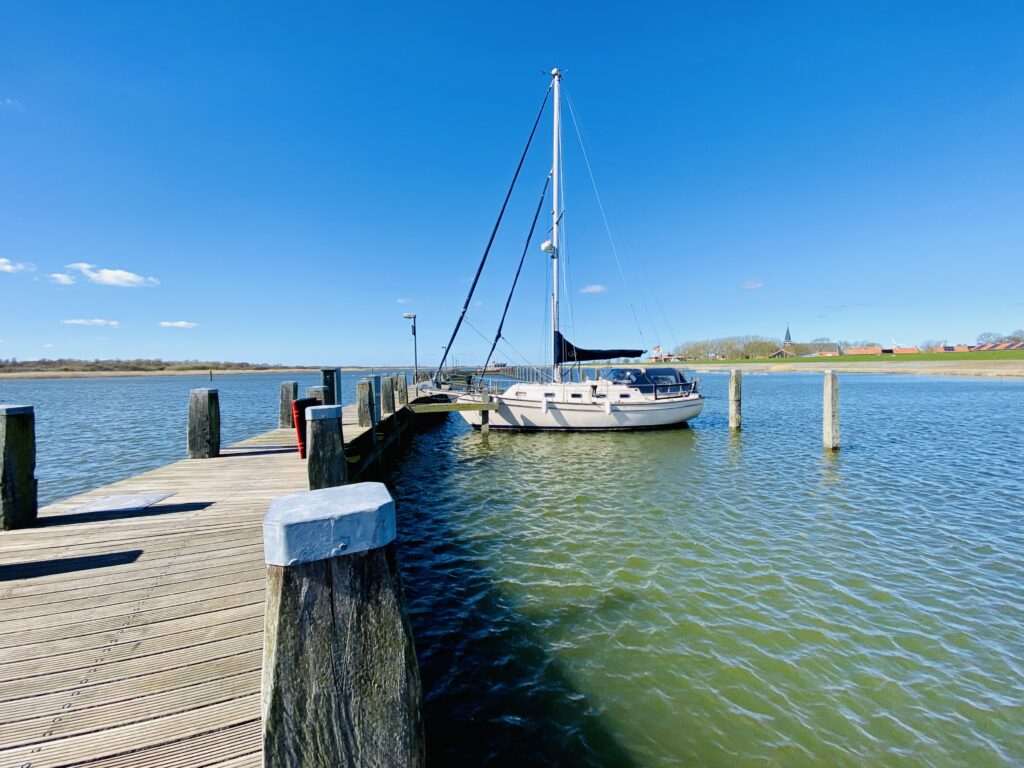
Most marinas have boxes with stern posts. In town harbours you moor alongside, in summer in popular places boats are ‘stacked’, meaning moored in rafts. In almost every harbour there is a harbour master whom you can contact before entering the harbour and should do so in summer. Anyone who doesn’t call ahead and get assigned a berth must tie up at the visitor’s pontoon and go to the harbour office. Since in most marinas all berths are rented and not marked as free or occupied as in Denmark, you generally can’t choose your berth yourself. Pure visitor berths as in Sweden or Norway are rare.
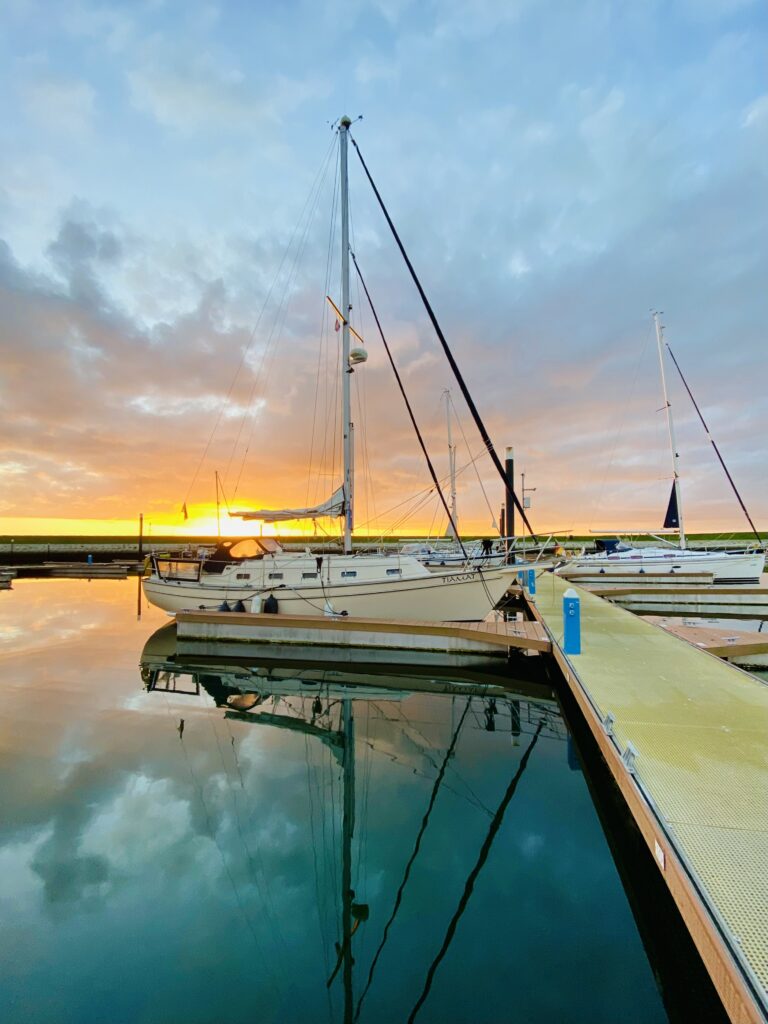
Harbour fees and payment
Dutch harbour fees are higher compared to Scandinavia, but still reasonable. Day visitors usually pay around 2 to 3 euros per metre ‘passantentarief’. In addition there’s a ‘toeristenbelasting’ of around 2 to 3 euros per person per day. If you stay longer than a few days, it’s worth asking about discounts. It becomes really cheap from a month onwards. We usually stayed for a month and thus only paid a fraction of the usual mooring fee. The only ones who don’t give a discount are the harbours on the Wadden Islands. So we paid around 1,100 euros in mooring fees for a month on Terschelling because we had to wait for a delivery and a good weather window. In the harbour master’s office you pay cash or by card. Apps for billing are not so common in the Netherlands.
Information about harbours and marinas for sailing in the Netherlands
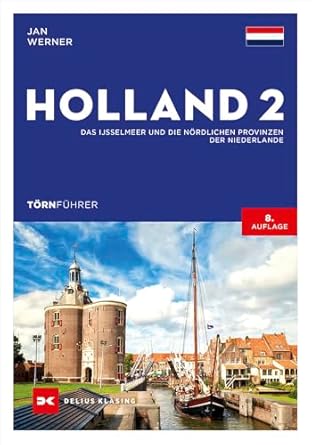
- Holland 2 (Delius Klasing): The classic for the IJsselmeer and the northern part of the Netherlands. Many tour suggestions and helpful tourist information make the book a useful companion.
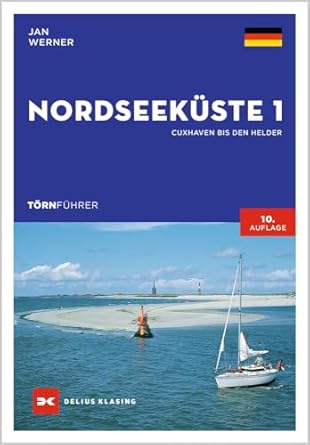
- Nordseeküste 1 (Delius Klasing): Another book by Netherlands expert Jan Werner. It covers the Wadden Islands, including the German ones. So it’s particularly practical for the approach.
Natural harbours & anchorages
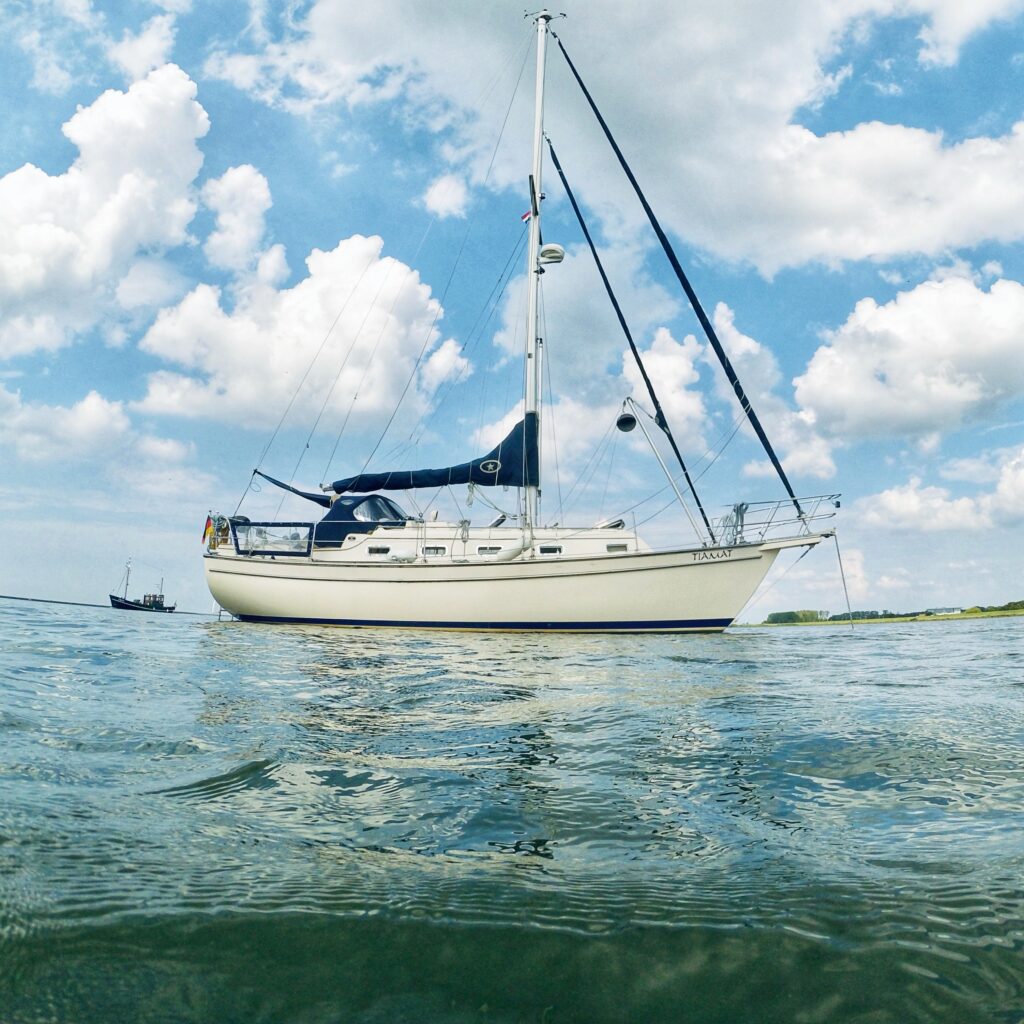
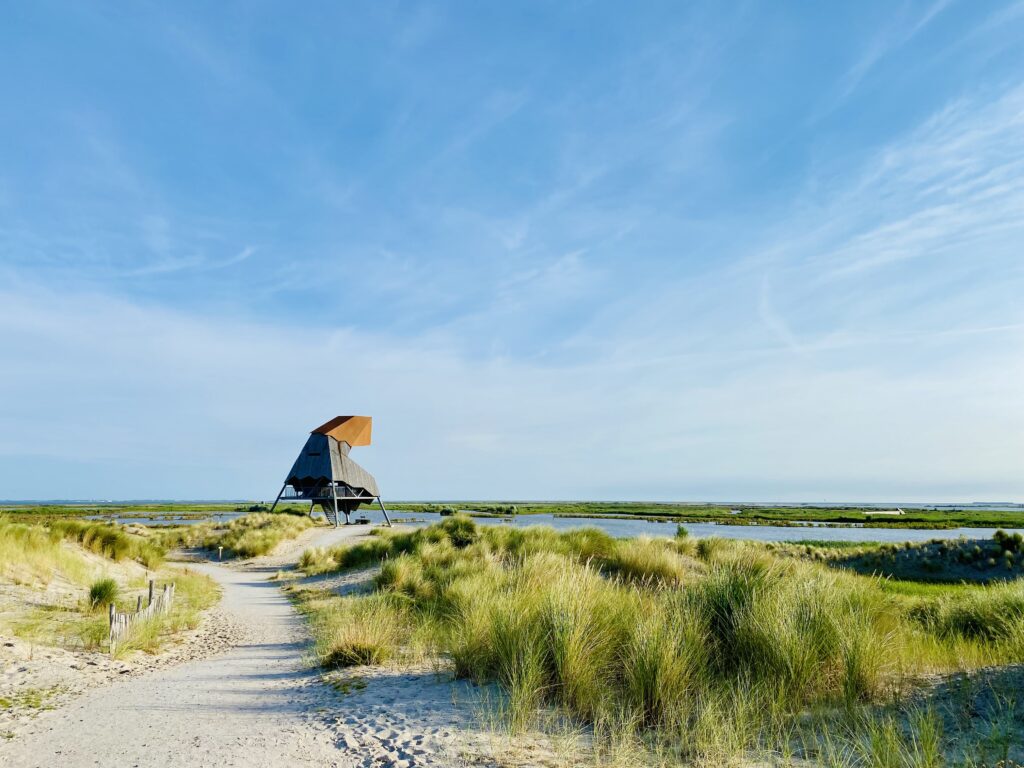
You don’t see many boats at anchor in the IJsselmeer, although given the water depth you could theoretically anchor almost anywhere. We know three or four good anchorages, of which we only visited one during our time in the Netherlands. Not because we don’t like lying at anchor, but because our boat wasn’t equipped for it at the time (lack of battery capacity and no functioning solar panels). The small harbour in the Marker Wadden (an artificial island in the Markermeer) can be considered a natural harbour in the broadest sense. We were here several times because these islands are simply wonderful at any time of year, especially in spring and summer, as you can extensively observe the breeding birds there.
Weather & sea conditions
In the IJsselmeer and the Markermeer you generally have little wave and no currents whatsoever. Only in winds over force 7 does a short steep ‘chop’ form depending on direction, which can be very uncomfortable. The weather is maritimely influenced, correspondingly changeable (sometimes rainy and windy) without great temperature extremes.
We mainly used Windy or Windfinder. In addition, the KNMR with its shipping forecast for the North Sea and inland waters is helpful. The tidal stream atlases provide pretty good information about currents and tides in the Wadden Sea (available free online here).
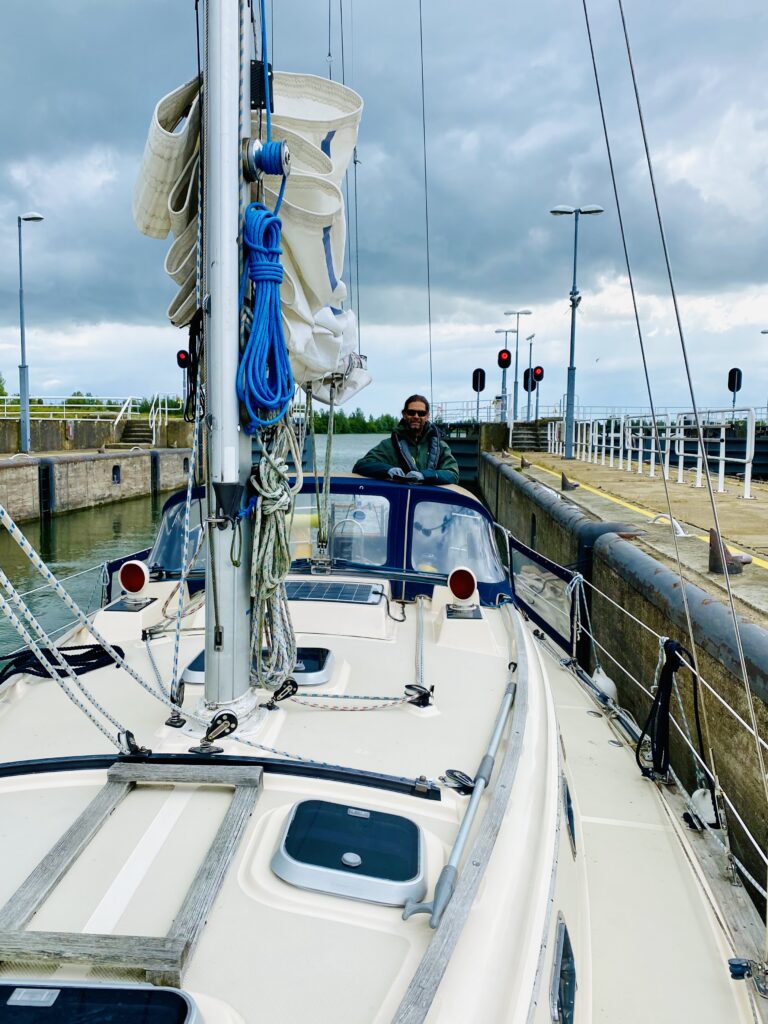
Bridges and locks
In the Netherlands locks and bridges are relatively frequent. Therefore you should inform yourself about operating times and any closures before your journey, e.g. with the Dutch authority Rijkswaterstaat. Here the information is most up to date. The popular handbooks ‘Wateralmanak 1 and 2’ from the ANWB are also practical, but of course not current to the day.
Living aboard in the Netherlands
Money
Nothing special for Europeans. Here you pay with euros.
Grocery shopping
In the Netherlands there are two large supermarkets: Jumbo and Albert Heijn. Besides that there are German ones like Aldi and Lidl, albeit with a different range. Anyone who like us is in the Netherlands for longer will soon find their favourite. We usually went shopping at Albert Heijn. Also because we used their app and so not only received great offers but could also save money (with a kind of interest on the shopping value). The selection of products is very large. There are numerous good convenience products and a high-quality selection of fruit and vegetables.
Mobile internet & WiFi
For a longer stay it’s advisable to get a Dutch SIM card. Dutch tariffs are very cheap compared to German ones. We were with KPN and received – unlike in Scandinavia – a flat rate subscription even without being Dutch. The only thing we needed was a Dutch address. That was our home harbour. The flat cost around 35 euros in 2022. WiFi is also offered in the harbours, but especially in high season you can’t really do anything with it.
Laundry
Washing machines and dryers are standard in the harbours, but only very rarely (e.g. in the harbours of the Wadden Islands) included in the price. Otherwise you pay around 5 euros for one wash and 2 euros for the dryer.
Wastewater & diesel
There are a few black water tank emptying stations around the IJsselmeer and the Wadden Islands. Nevertheless not as many as there really should be, since discharging wastewater is strictly forbidden. We have a composting toilet and no tank, so fortunately we’re more independent here.
Fuel stations are found in every larger marina. In towns you can also get diesel from the nearest petrol station if necessary. If possible, though, add a diesel additive against biofilm, because biodiesel is often sold.
Our favourite harbours and anchorages in Holland
On our journey around the IJsselmeer, Friesland (Friese Meren) and the West Frisian Islands, these harbours and anchorages were our highlights.
Harbours

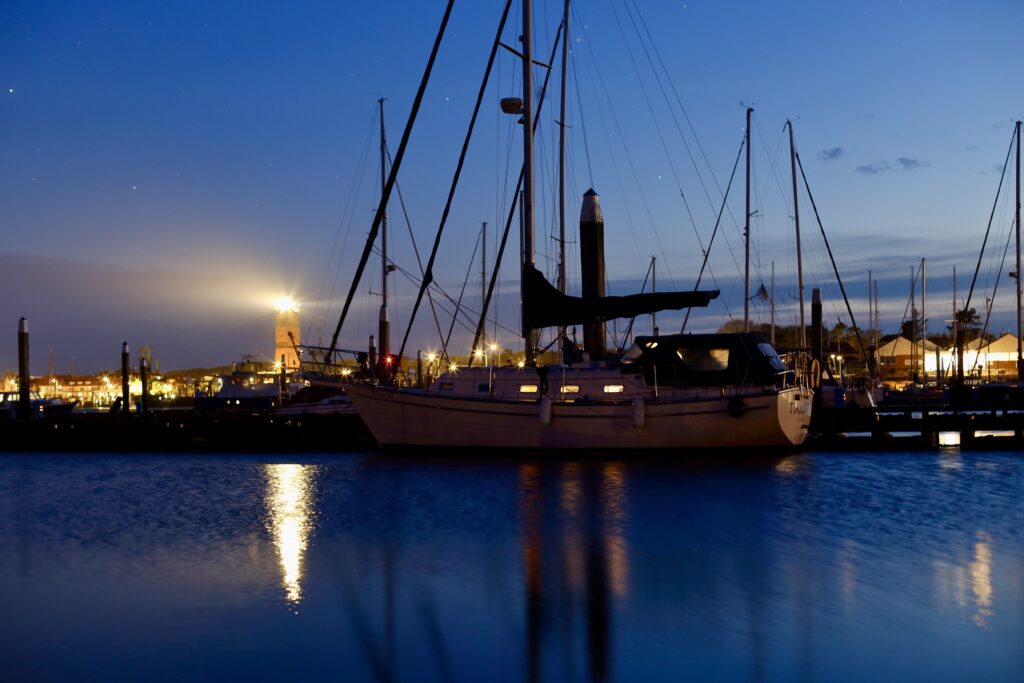
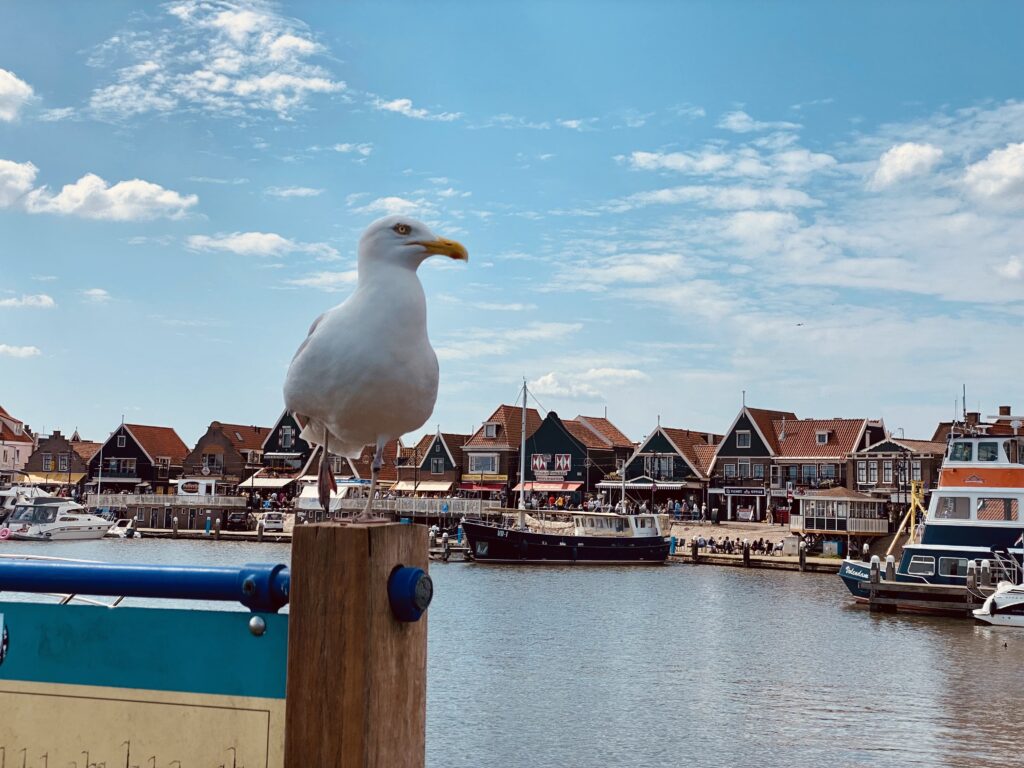
- Volendam (Marina) The large marina is very well organised and has very modern and super clean showers and toilets. The washing and drying machines were also top-notch. A fuel station is nearby. The disadvantage is that it’s quite a walk to the centre of Volendam. For us that was a plus point though, since the town harbour is quite bustling especially in the holiday season and at weekends. By bus you’re in Amsterdam in 15 minutes. Uncomfortable in easterly winds.
- Enkhuizen (Compagnieshaven) Very friendly and helpful harbour team and a well-stocked chandlery made this marina one of our favourites. It’s also near a lovely beach and a good running route.
- Terschelling Expensive (93 cents per day and m² plus 2.16 euros resort tax), but worth every euro, at least in low season when it’s quiet. For that you can wash for free and the sanitary facilities are okay. Before arrival you can inform yourself online about the occupancy of this and the other Wadden harbours. Also the departure times are indicated, which you can use to time the tide well.
Natural harbours & anchorages
- North of Deko-Marina (052° 32.281′ N / 005° 26.851′ E) there is an anchorage away from the fairway. Even in westerly winds you have little wave here due to the Markermeerdijk. And the passing tankers don’t make too much swell either.
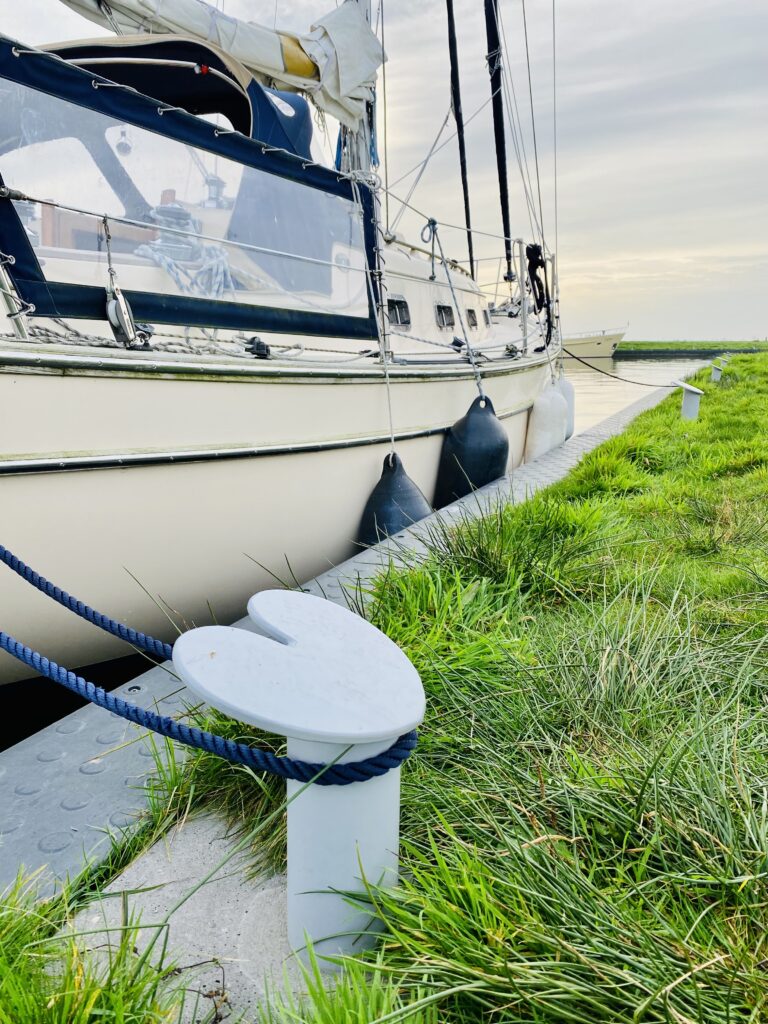
- Langehoekspôlle (052° 56.944′ N / 005° 32.771′ E) a small island in the Frisian inland waters (De Fluezen). Here there is nothing except peace and nature. And bollards to moor to. Here you can stay for up to three days free of charge.
- Marker Wadden (052° 35.011′ N / 005° 22.048′ E) Beautiful island world with a small natural harbour and several anchorages around it. There are neither electricity nor water connections at the pontoon, but a toilet and shower building.
Affiliate notice: This page contains affiliate links. If you make a purchase through these links, we receive a small commission at no extra cost to you. Thank you for your support!