🧭 Factsheet
Route: From Port Ellen to Bangor
Period: 14 July to 27 July 2026
Log: 76 miles
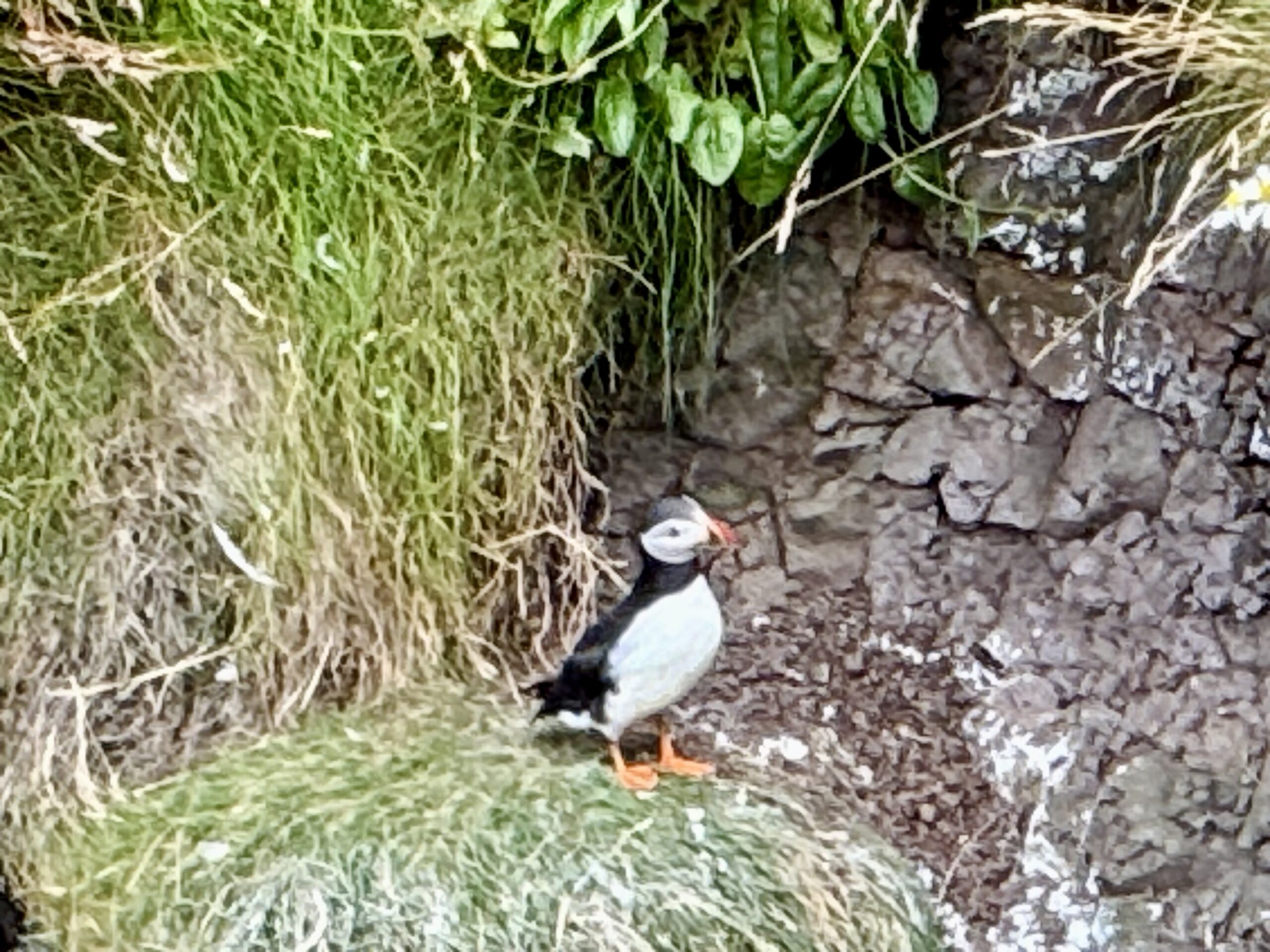
Highlights: Puffins on Rathlin
📍 Our route & legs
Leg: Port Ellen → Rathlin Island
At last, we could move on. Our work and the weather had kept us in Port Ellen a little longer than planned. But now it was finally time to move on. The glorious Sunday morning, with a lovely north-easterly, was ideal for heading across to the Northern Irish coast. The little island of Rathlin was our destination.
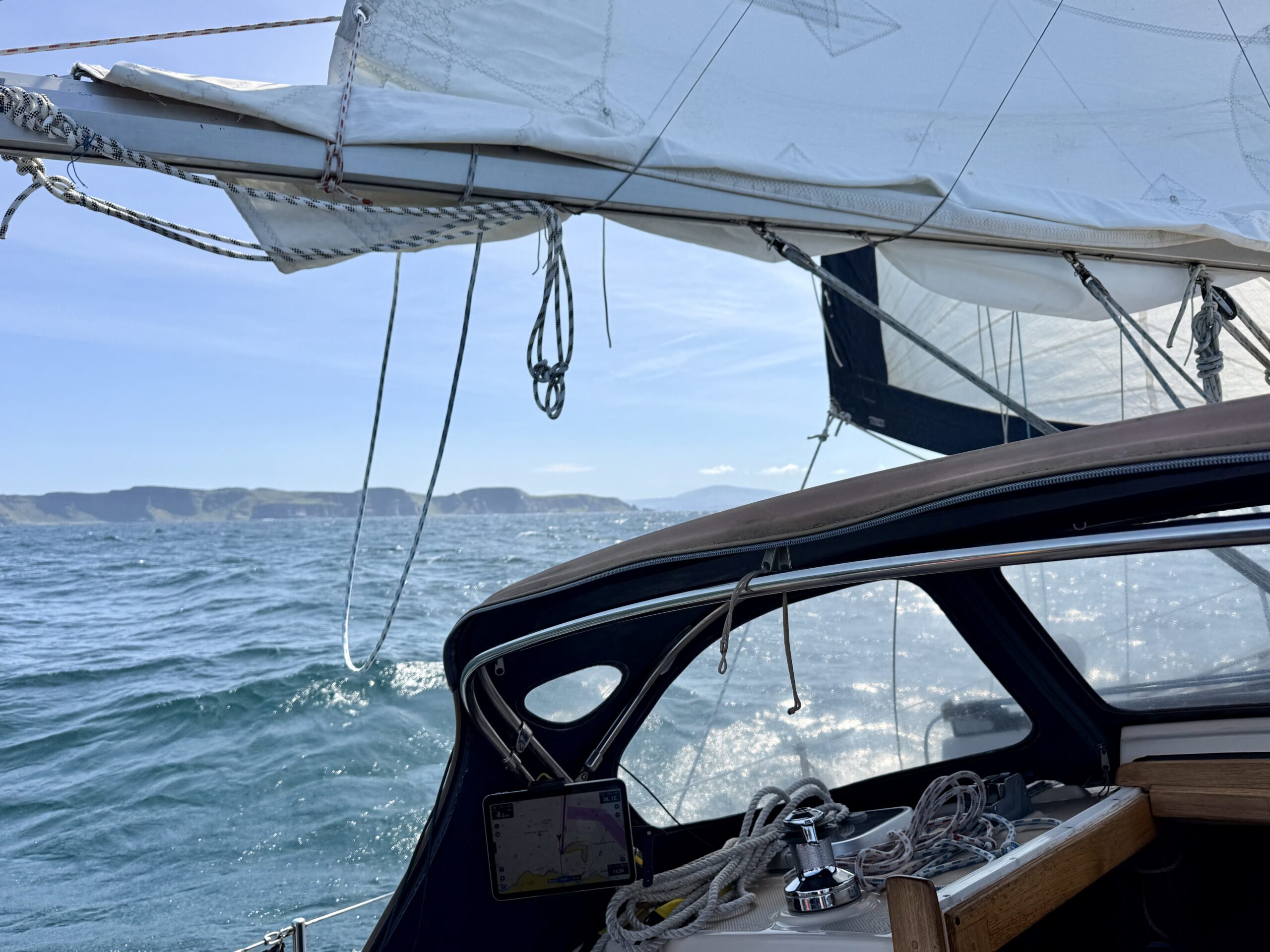
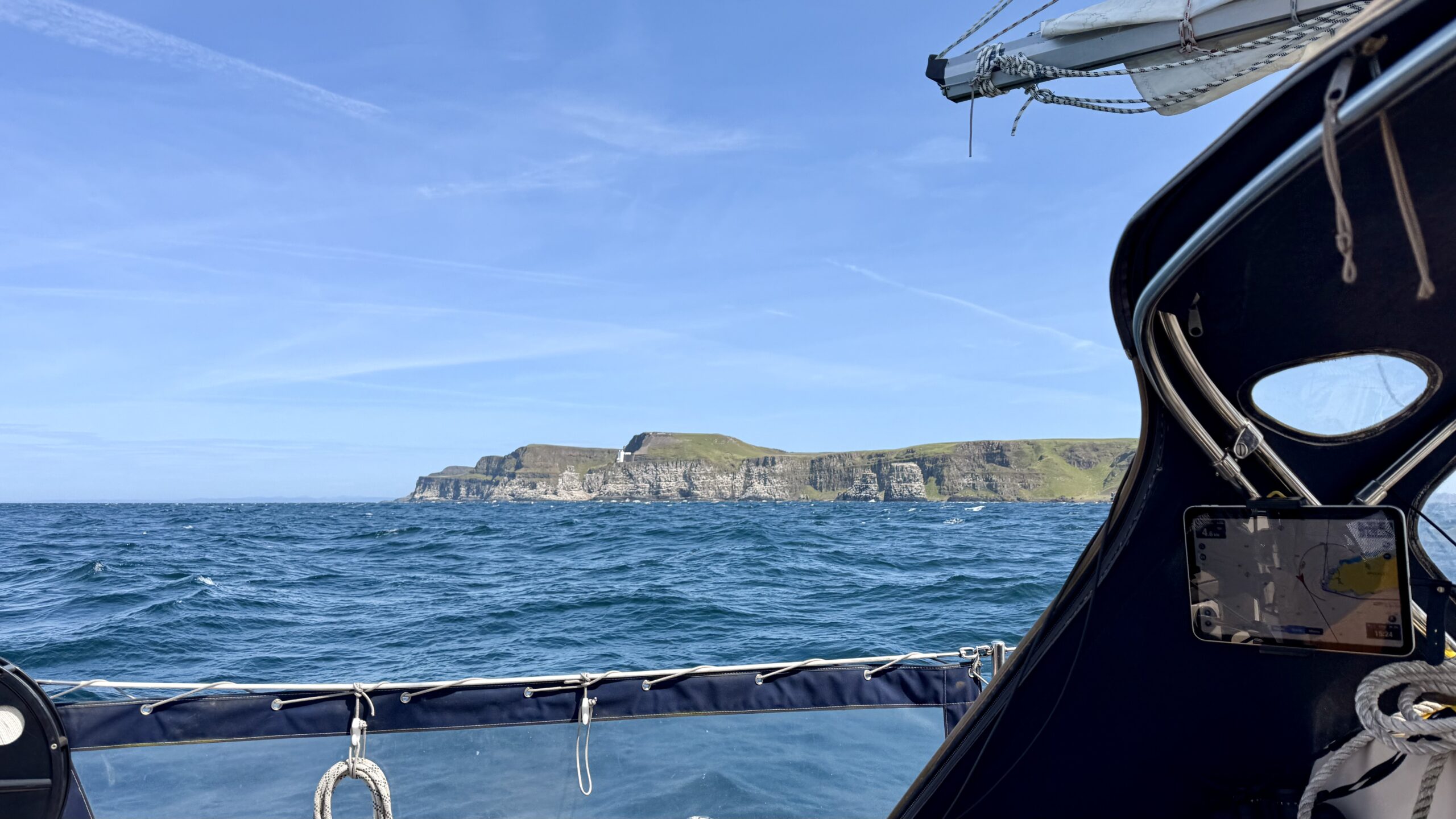
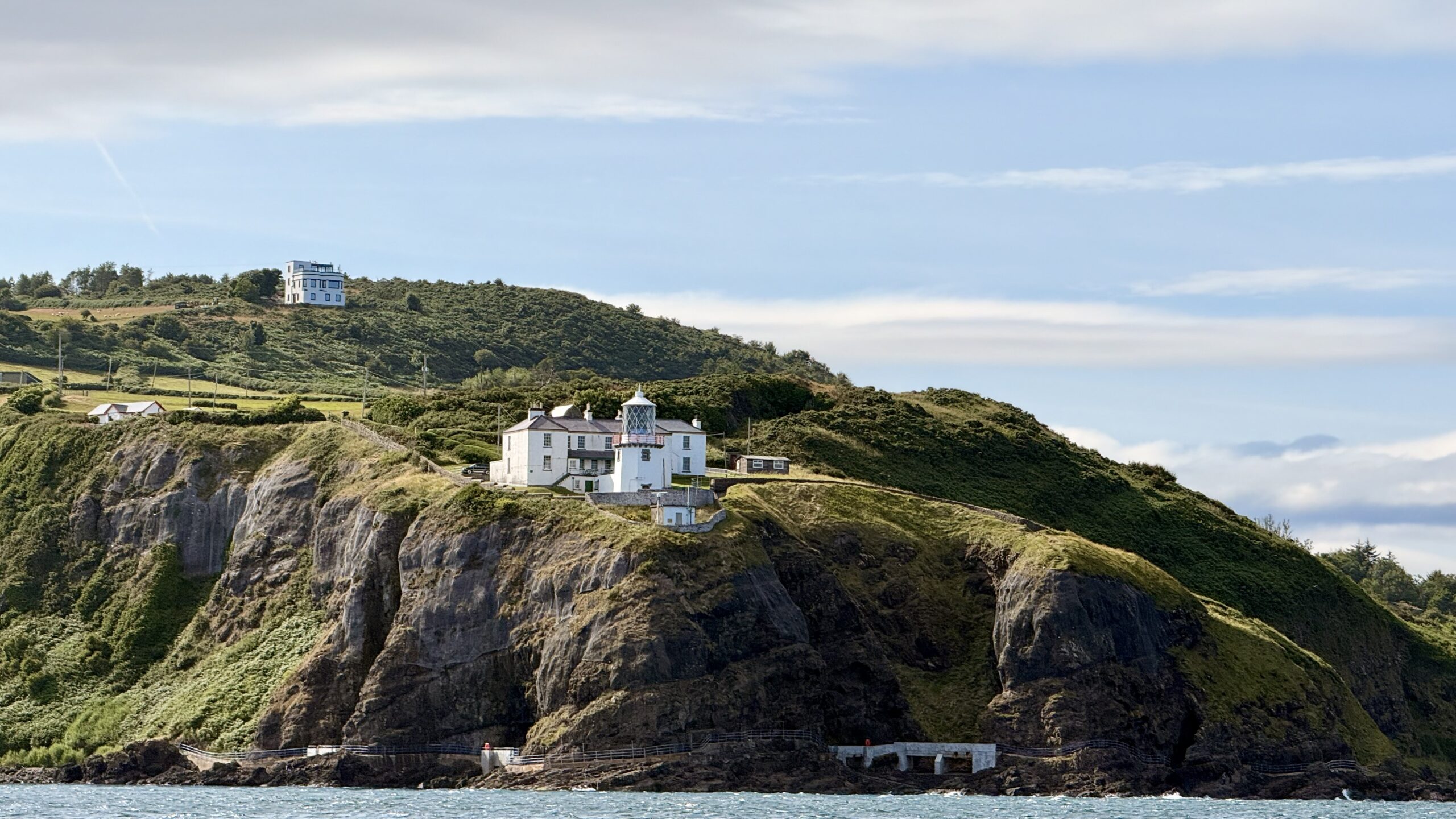
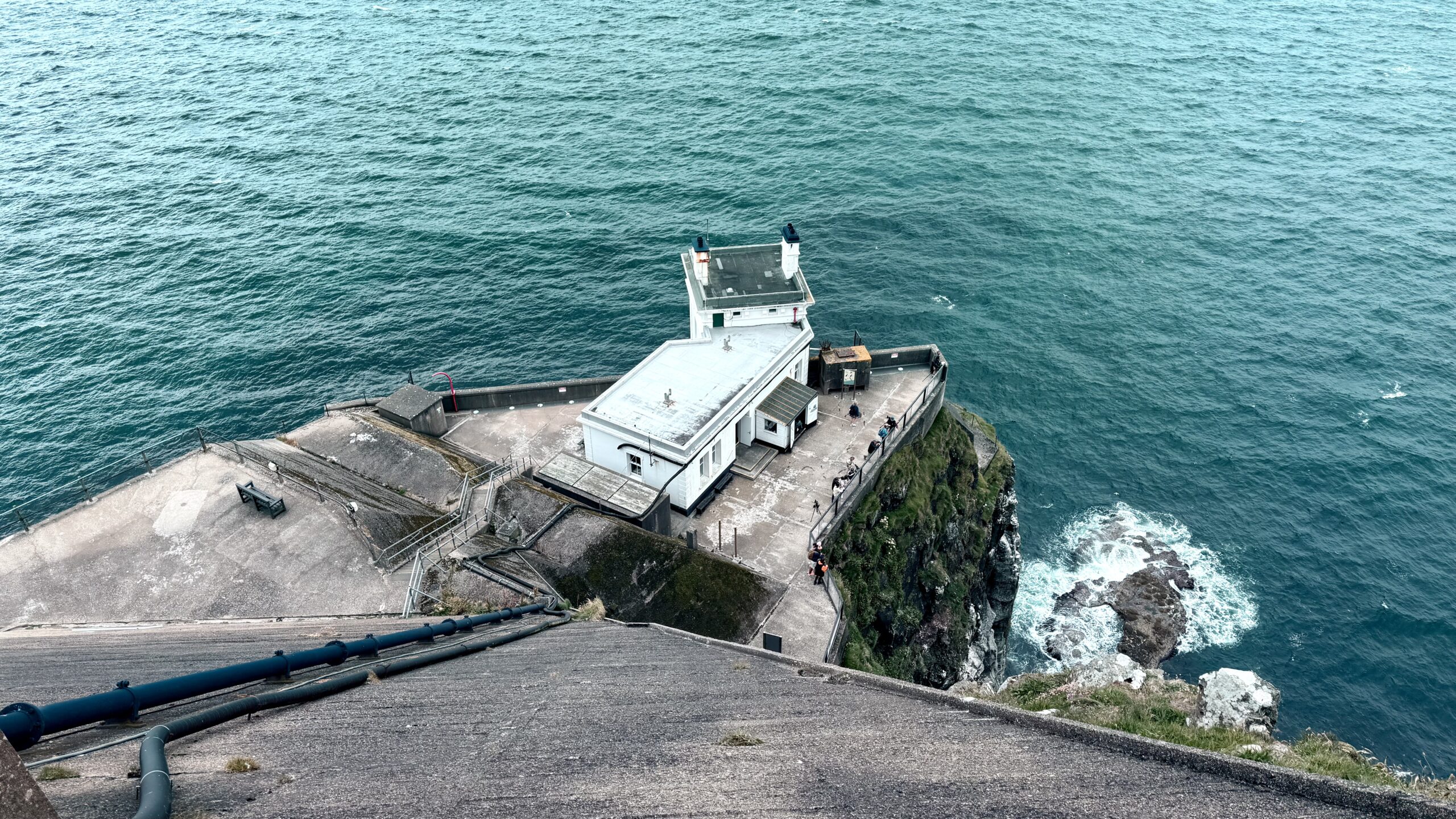
The tidal currents around Rathlin Island are among the strongest in all of Ireland. We would rather give the MacDonnell Race at the north-eastern end a miss and take the western route around Bull Point instead. That also gives us the chance to have a look at the pretty inverted lighthouse there. We want to visit it later.
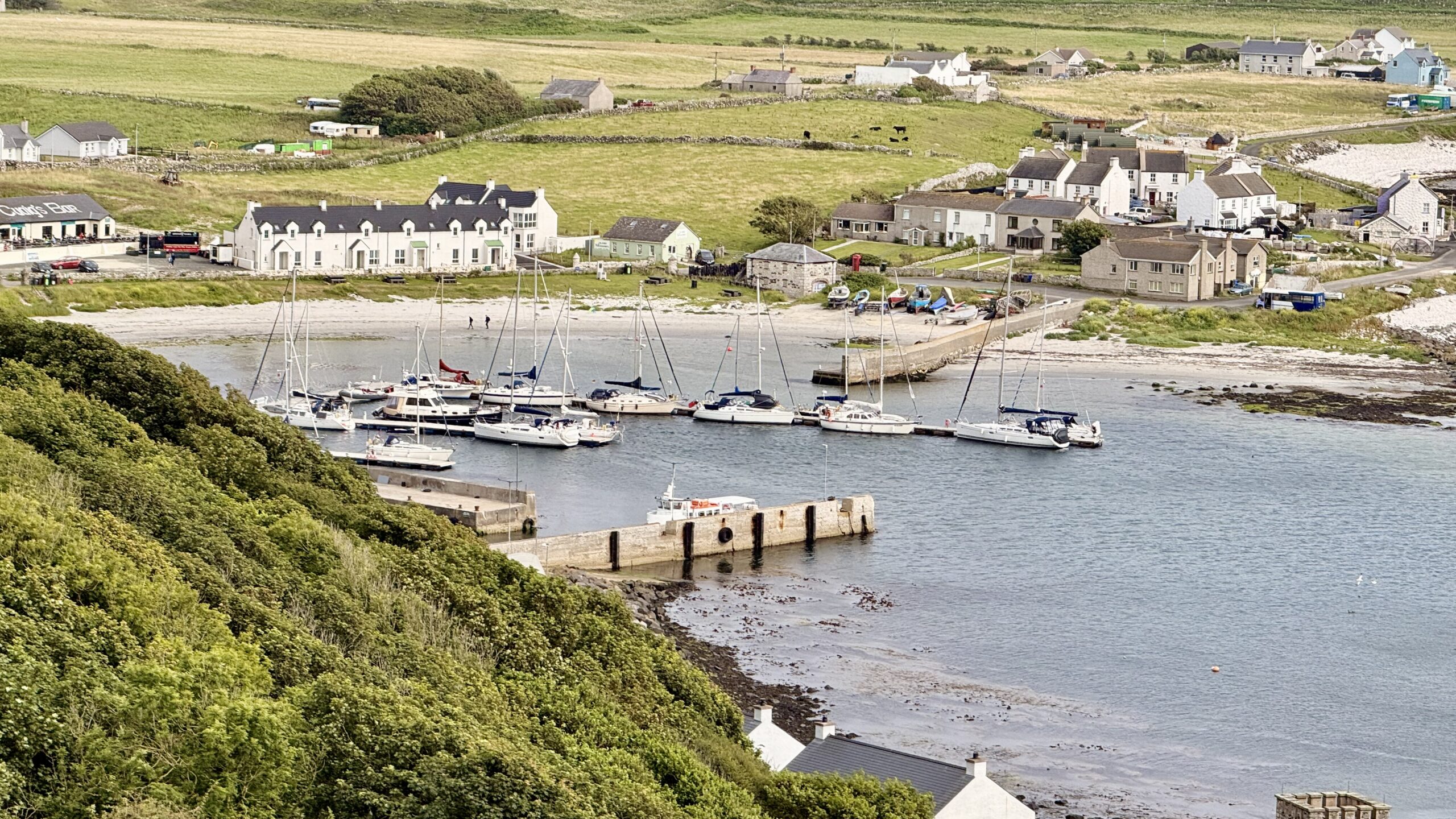
To avoid sailing against the tide as much as possible, we choose HW Dover as our approximate arrival time. That should make the passage around Bull Point easiest. Despite the reef in the mainsail, we are making good speed. Against the south-westerly ebb current, we have to allow for almost 45 degrees but we get a good push from it. We reach the western side of Rathlin an hour early and the sea is still a little choppy. But as soon as we round Bull Point, the water is smooth and the wind disappears. I call the harbourmaster and encounter Northern Irish English for the first time. After I put the phone down, I am no longer sure that I really understood everything. But he is already standing on the pontoon in the harbour to help us moor up.
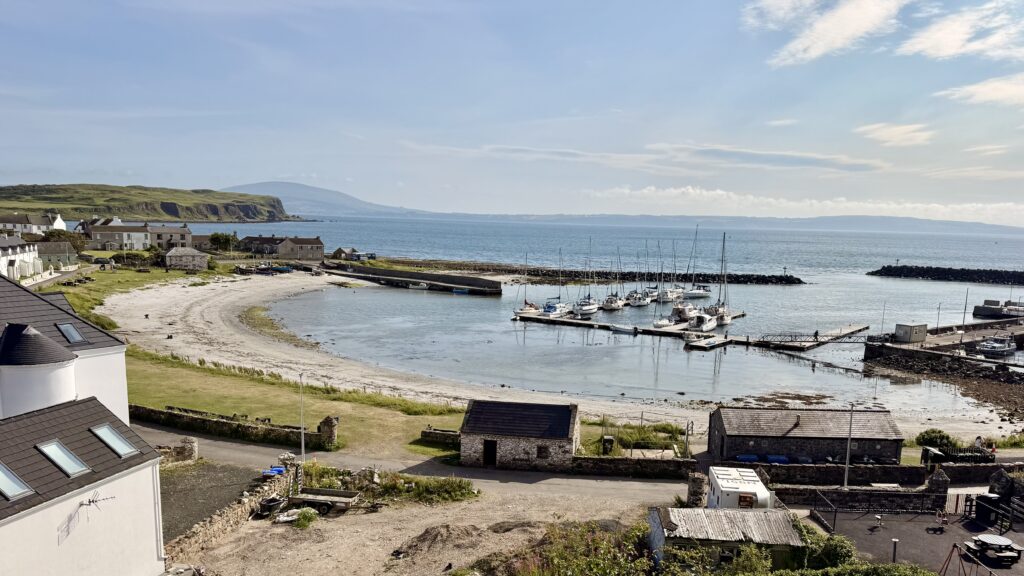
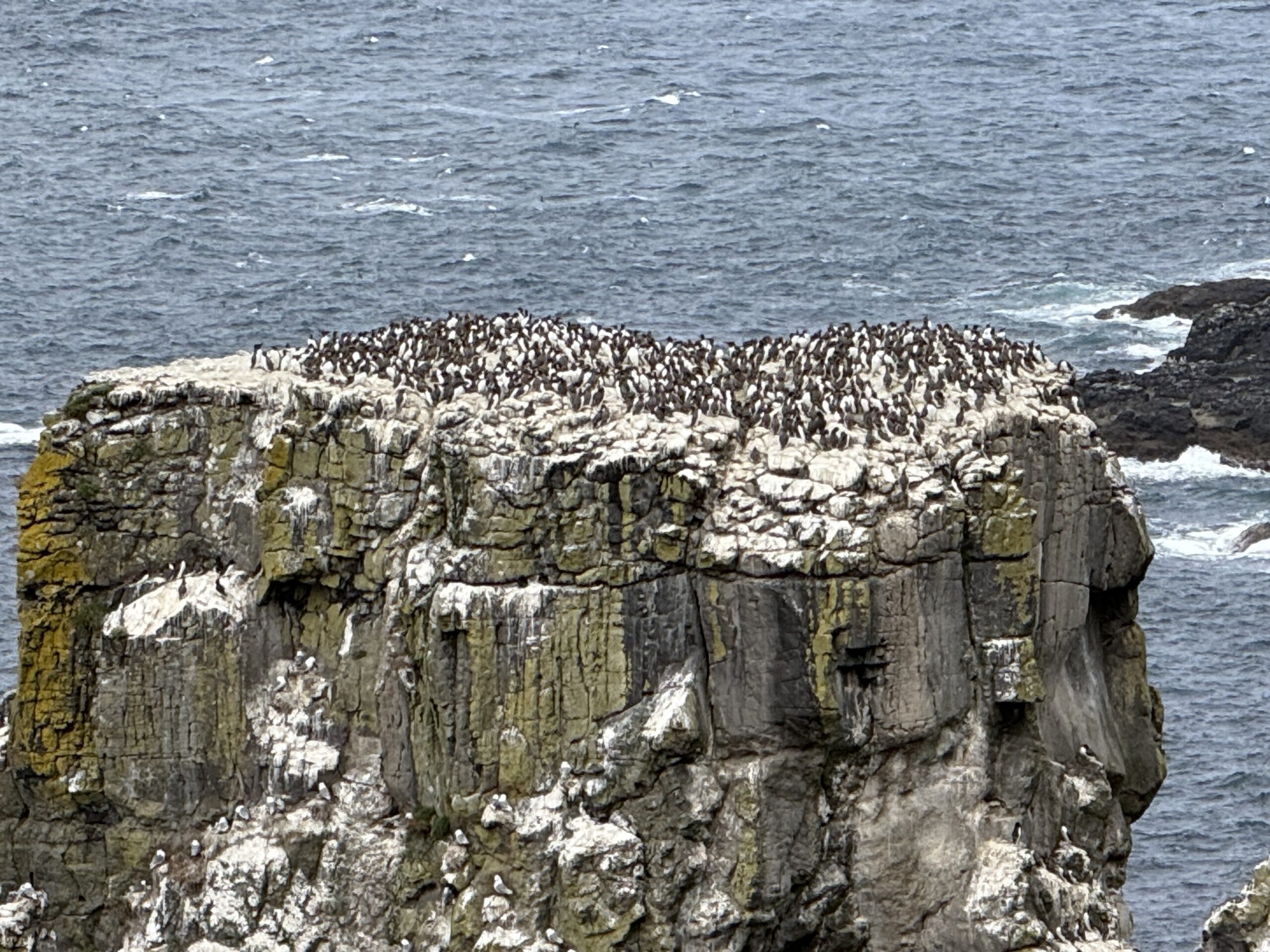
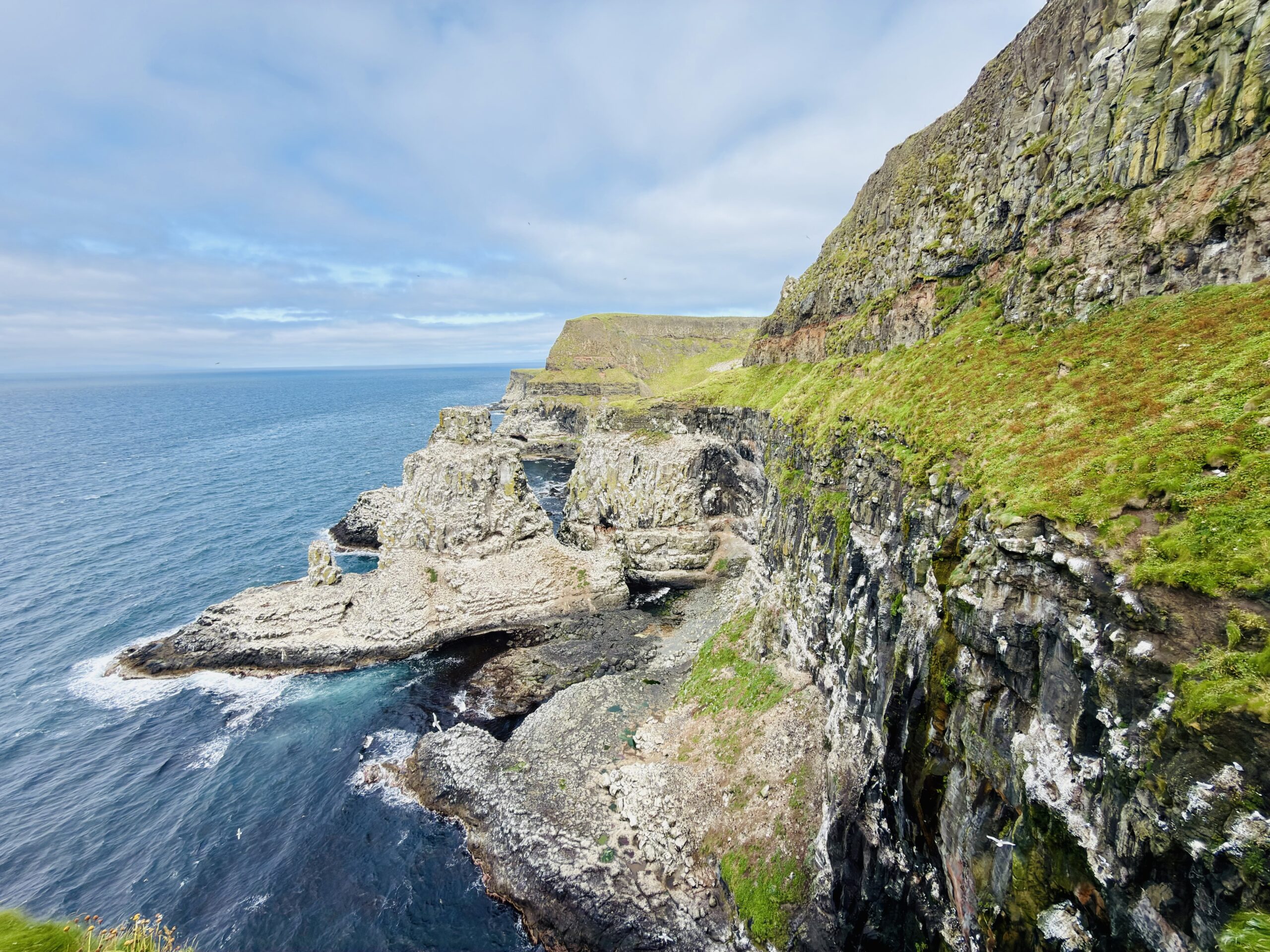
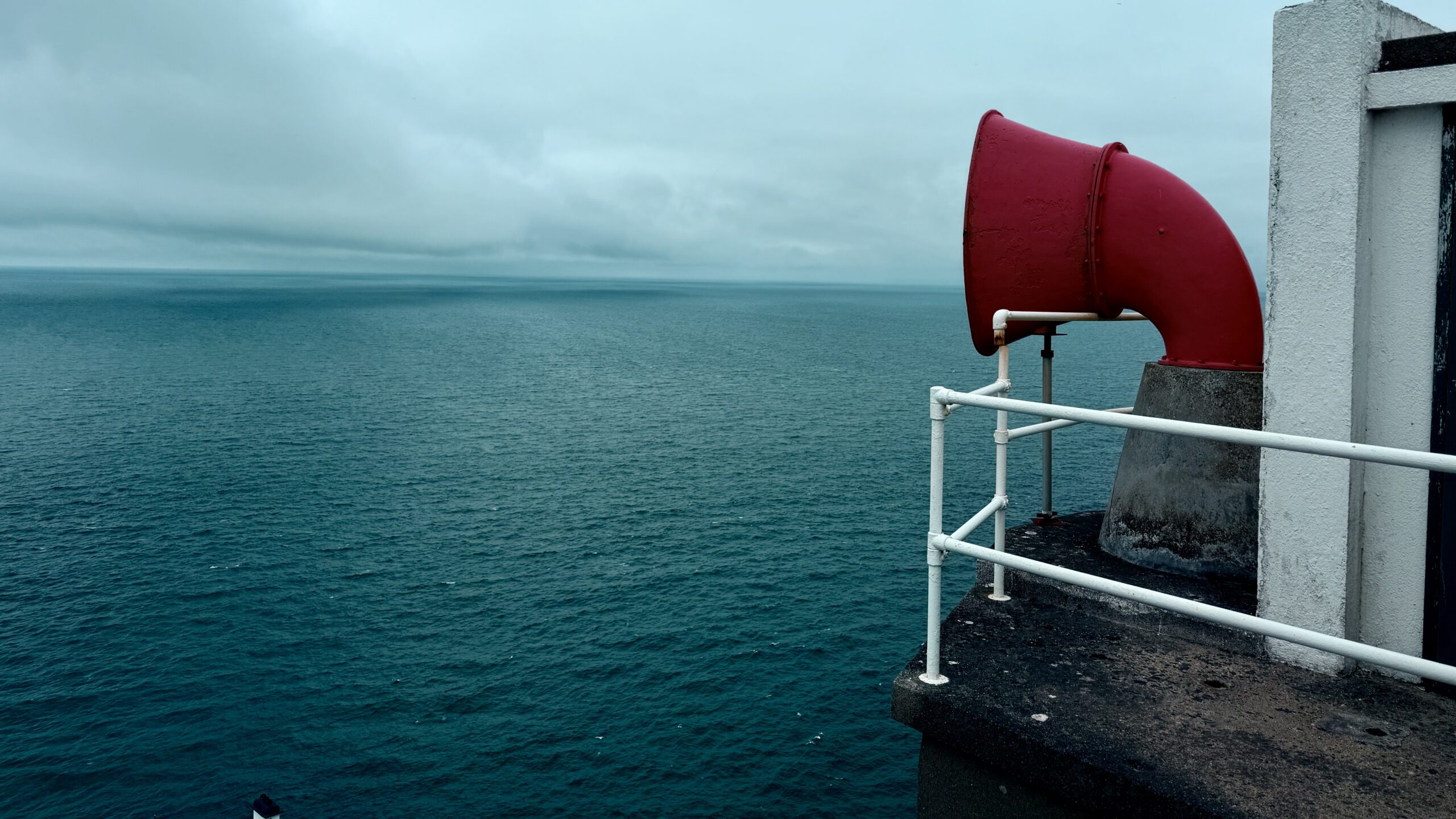
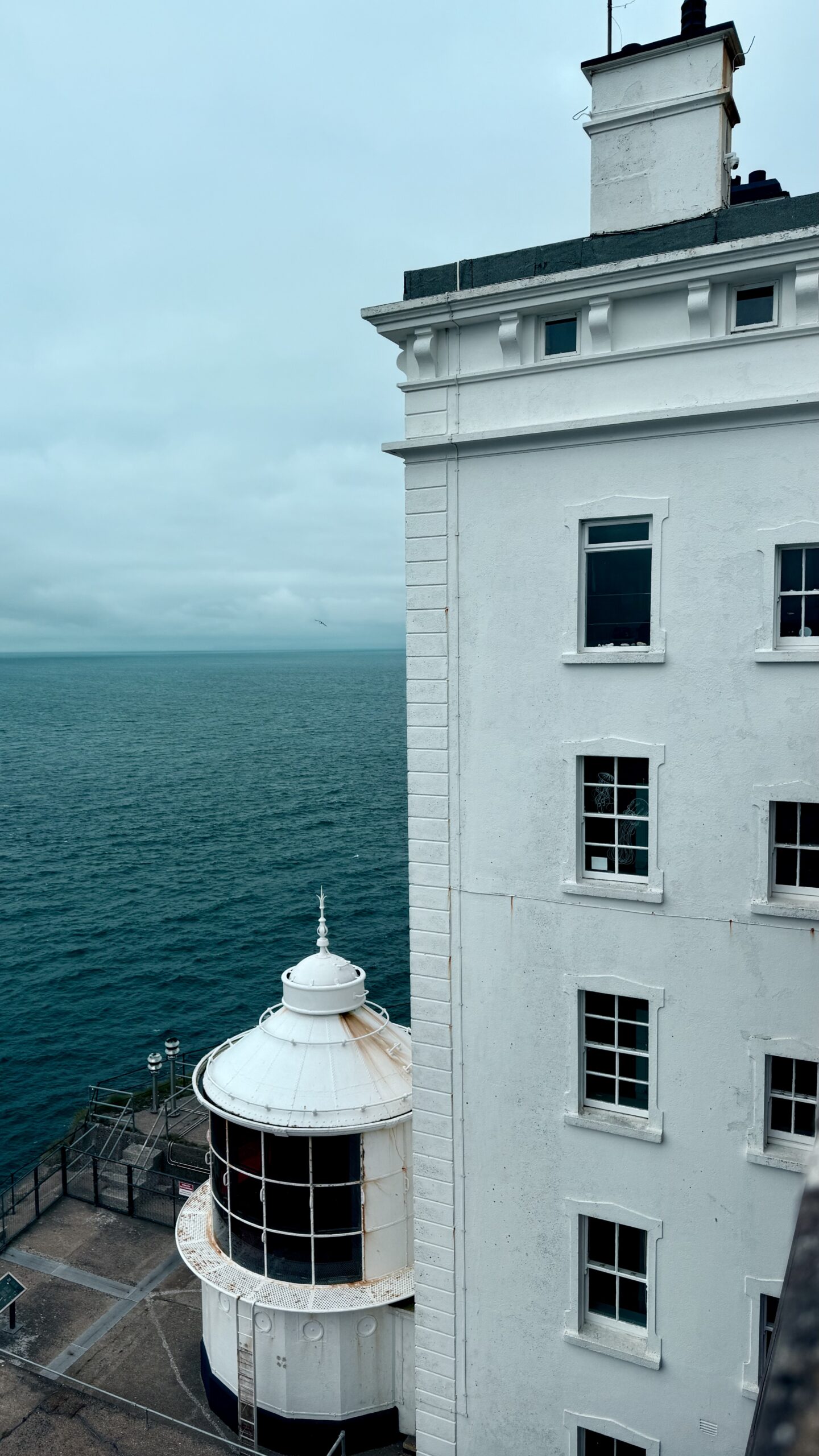
We stay for three days and explore the island. On Monday we take the bus to the seabird centre. The journey alone is an experience. The bus is probably around forty years old, and the roads are only as wide as a car. Yet our driver gets us safely to our destination for a total of twelve pounds. From the lighthouse you can watch puffins, razorbills, gannets and other seabirds here. Anyone without binoculars can even borrow a pair. The following day we hike to the lighthouse on the east coast and look on in awe at the churning sea in the MacDonnell Race.
Leg: Rathlin Island → Carrickfergus
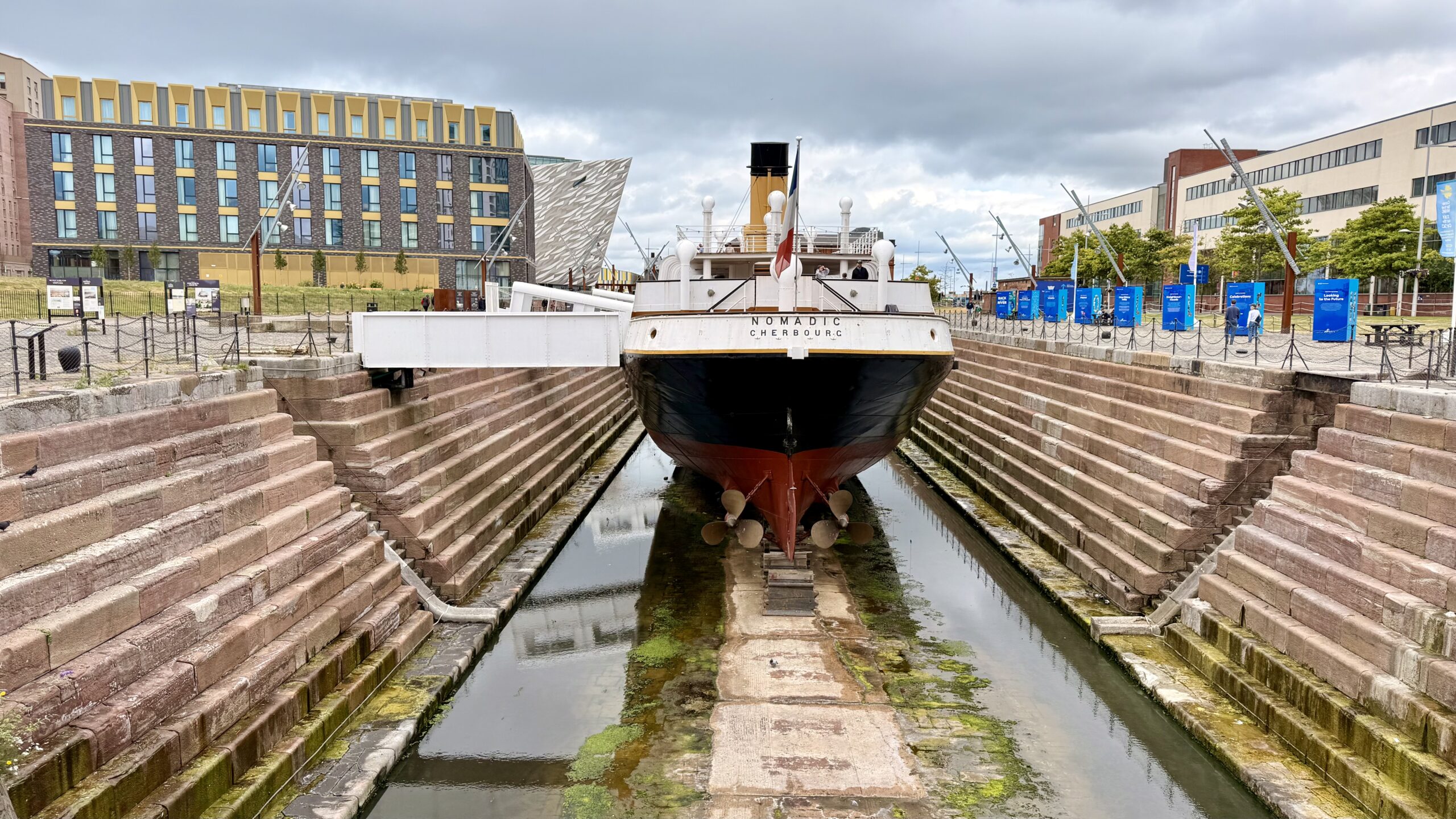
We want to carry on south towards Belfast. The roughly 45-mile passage starts comparatively late. We have to wait for low water because we want to head south with the flood current. Setting off from Church Bay one hour after low water is ideal for the passage through Rathlin Sound (HW Dover +6h). We see nothing of the tidal whirlpool Slough-na-more at that time. The tide and the northerly wind carry us swiftly south towards Carrickfergus.
Every now and then we see 9 knots over the ground on the plotter. We only have the genoa set. In Belfast Lough we get the usual mooring wind, with gusts of around 25 knots, so we reef the genoa for the final hour. The large marina is expensive for one night, but offers a discount on the second and third nights, which makes it something of a bargain by Northern Irish standards at 30 pounds per day for 11 metres with electricity.
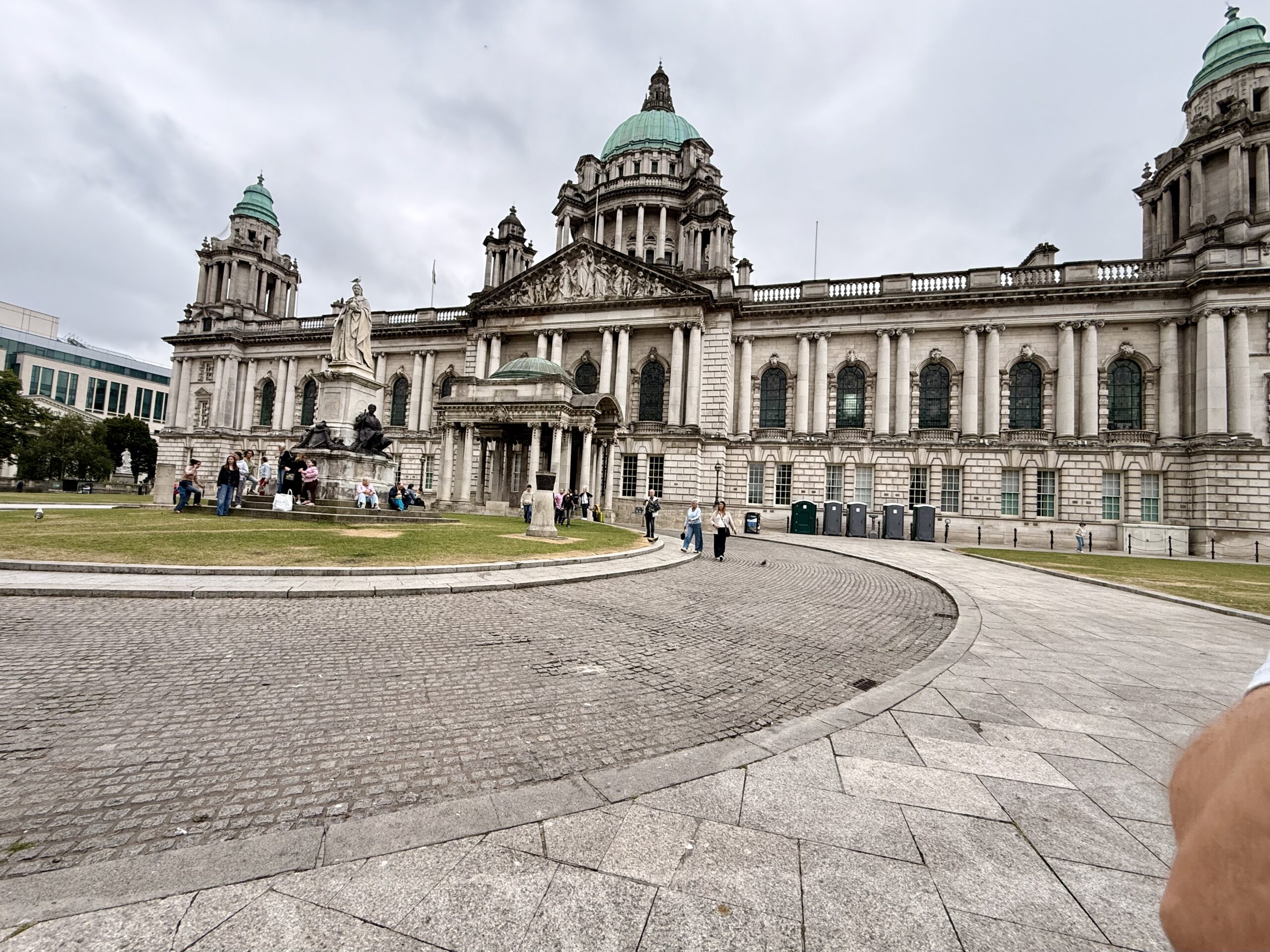

Leg: Carrickfergus → Bangor
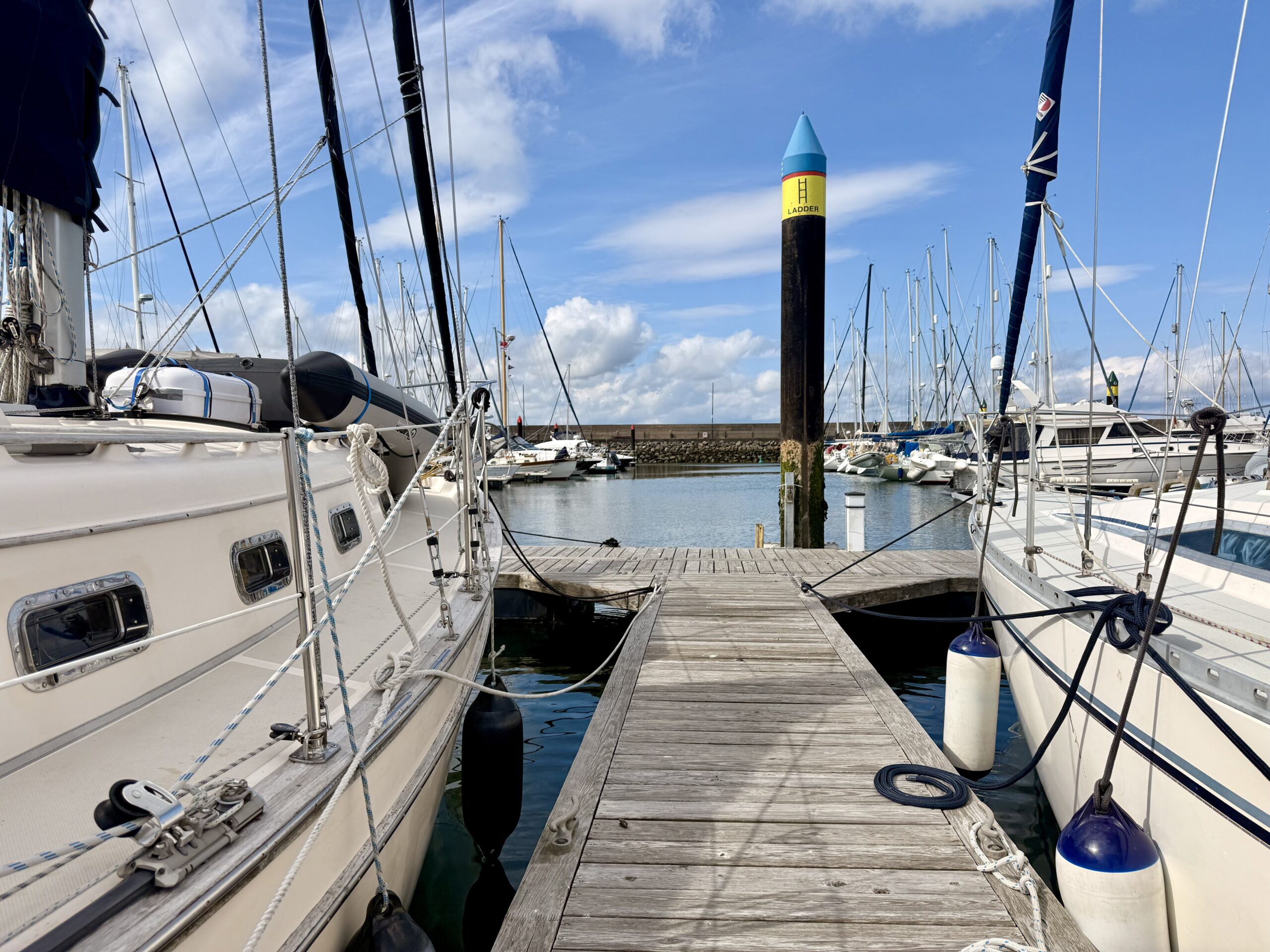
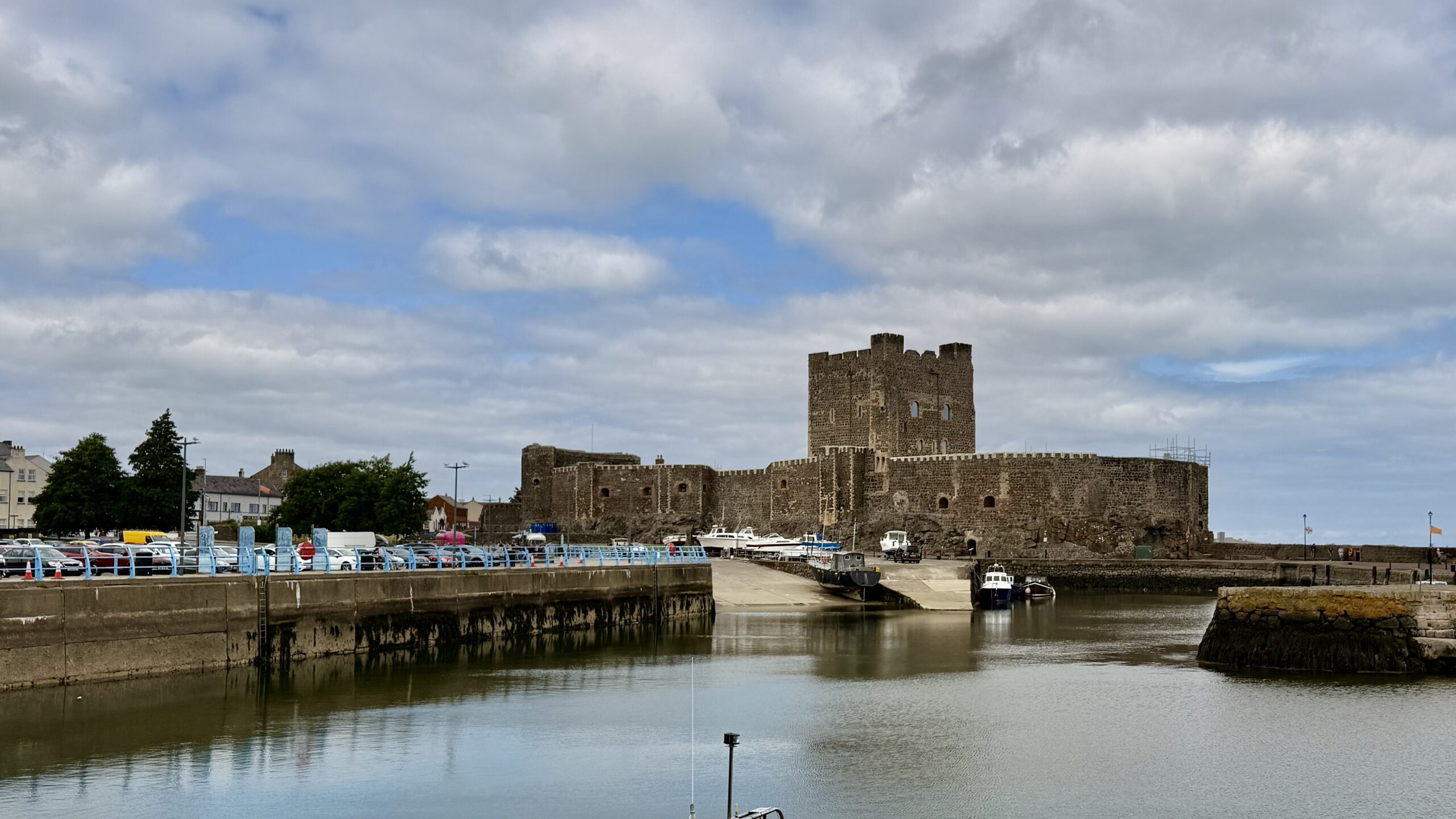
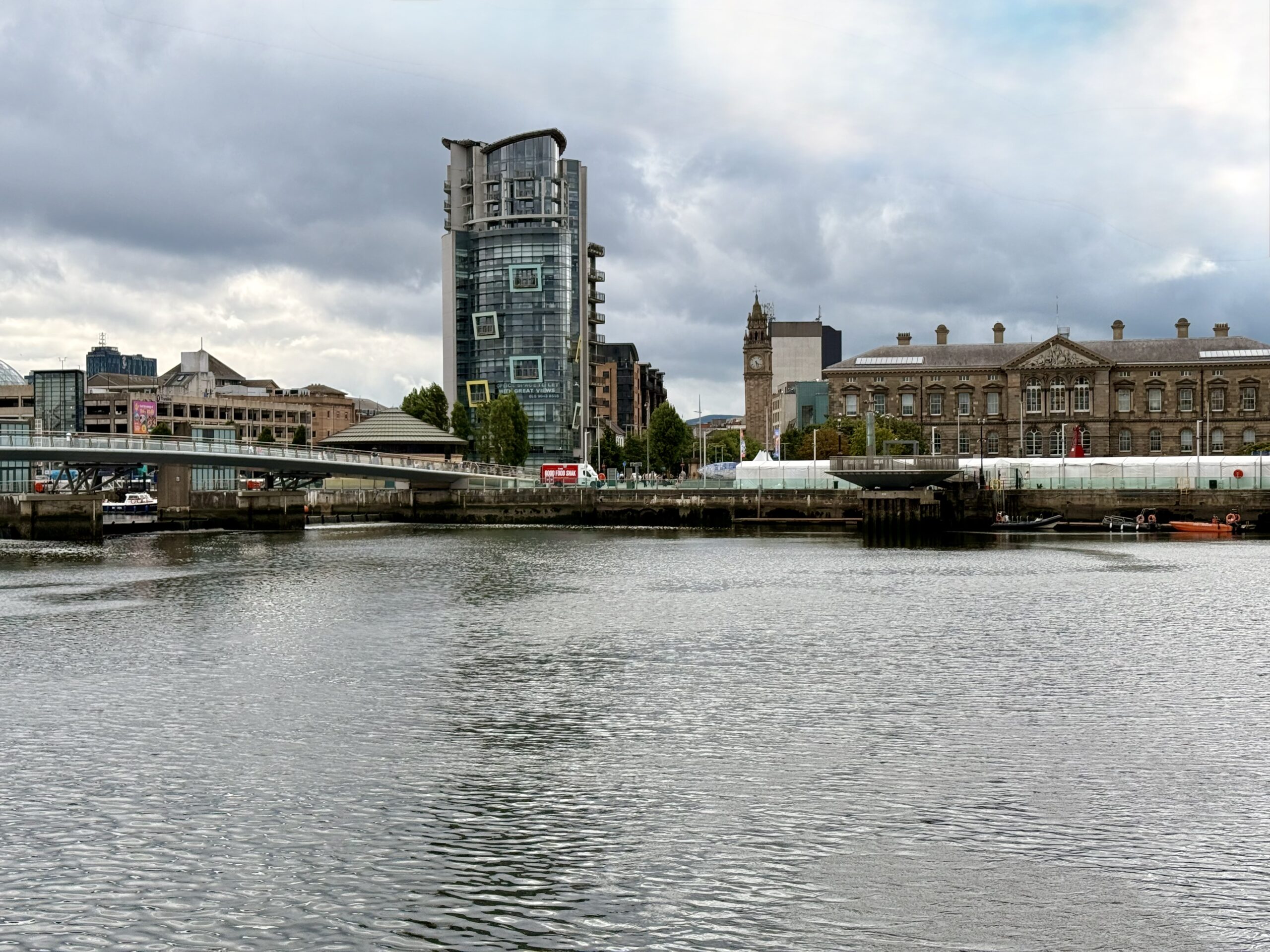
Just a short hop across Belfast Lough to Bangor. Even so, we enjoyed the little after-work sail because we had the most beautiful sailing wind. In Bangor we wanted to buy a new impeller for our engine from the local boat shop. But they did not have one in stock either. Ordering one would have taken ages again. So we will probably have to order it from SVB once we are in Ireland. The Bangor Marina is not bad. But it is simply overpriced. We paid 140 pounds for three days. So more than €50 per day for an 11-metre boat. The marina was not that good after all. But at least we have a good starting point for the Isle of Man the day after tomorrow.
🗺️ Special experiences & lessons learned
- At last, properly timed tidal navigation. We are slowly getting better at it.
- Enjoying the views over the cliffs from Rathlin lighthouse.
⚓ Our favourite place on this trip
💡 Practical tips for following sailors
- Off the Northern Irish coast, as everywhere in the UK, strong tidal currents lie in wait. A good tide atlas, or at the very least Reeds, is indispensable. In our experience, the current information from Navionics are too basic and does not always match reality.
🖼️ Gallery