🧭 Factsheet
Route: From Ardglass to Milford Haven
Dates: 6 to 18 August 2026
Distance logged: 199 nautical miles
Highlight: The partial solar eclipse (97%) on 12 August.
📍 Our route & passage legs
Leg: Ardglass → Dun Laoghaire
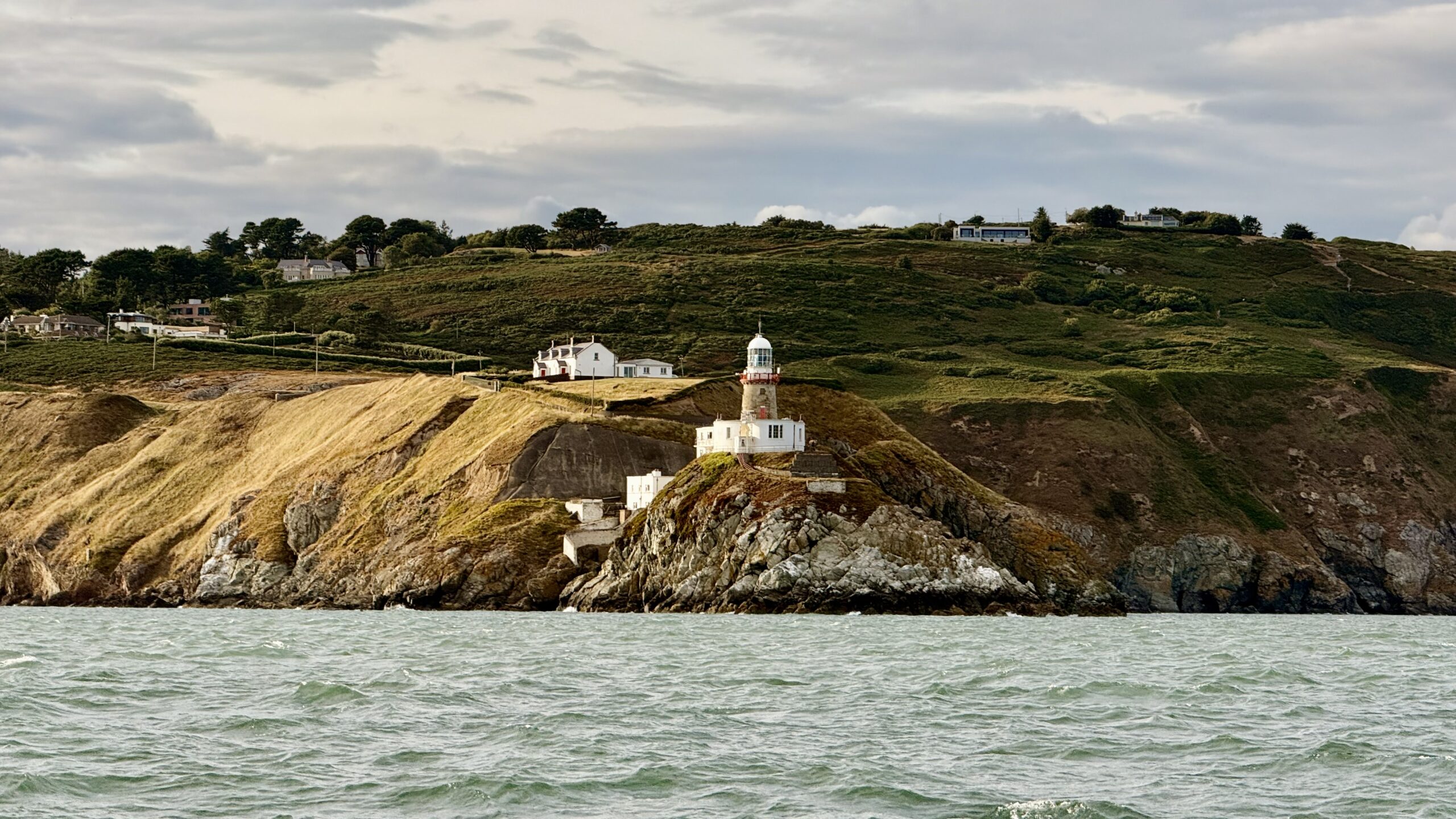
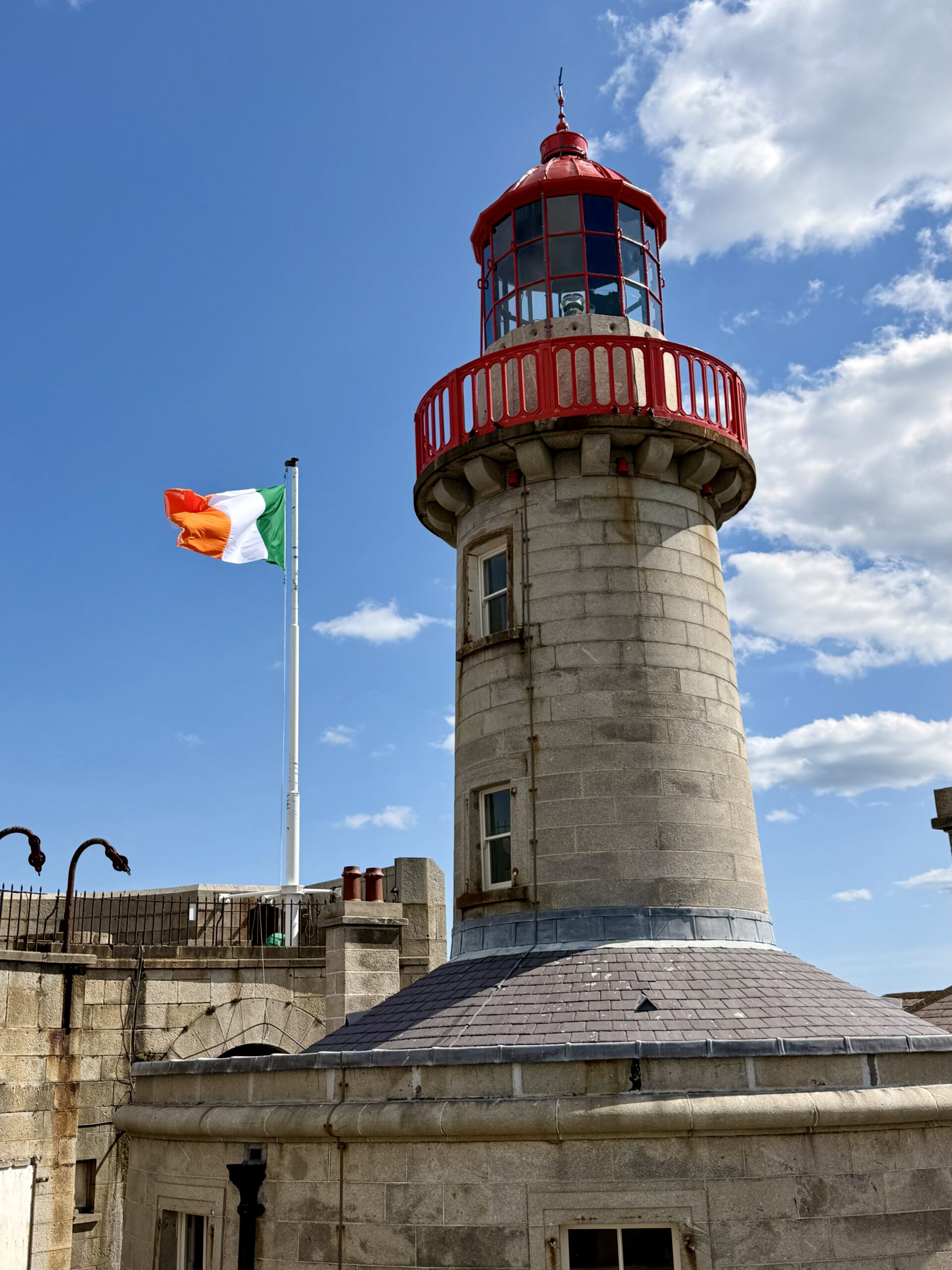
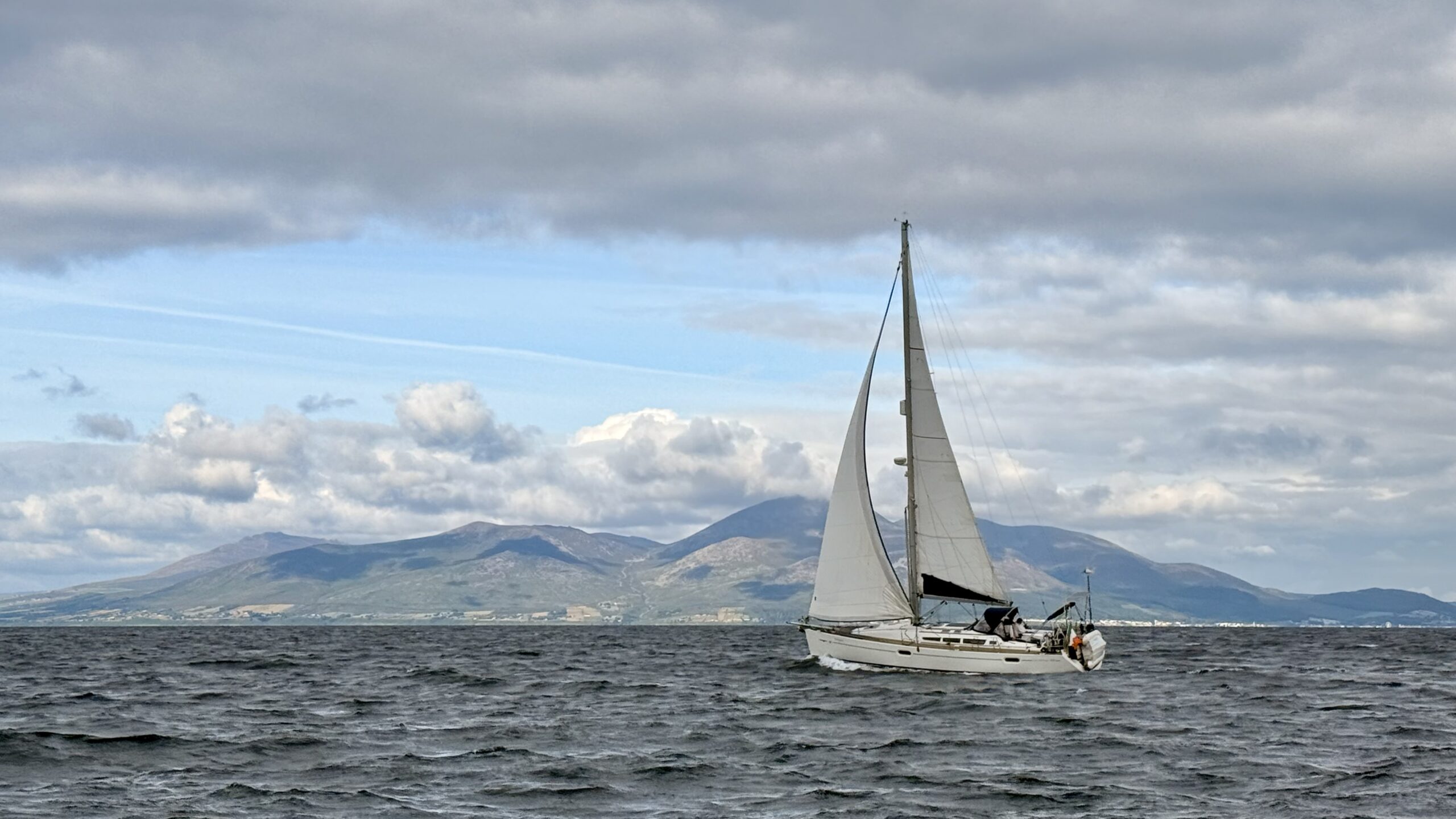
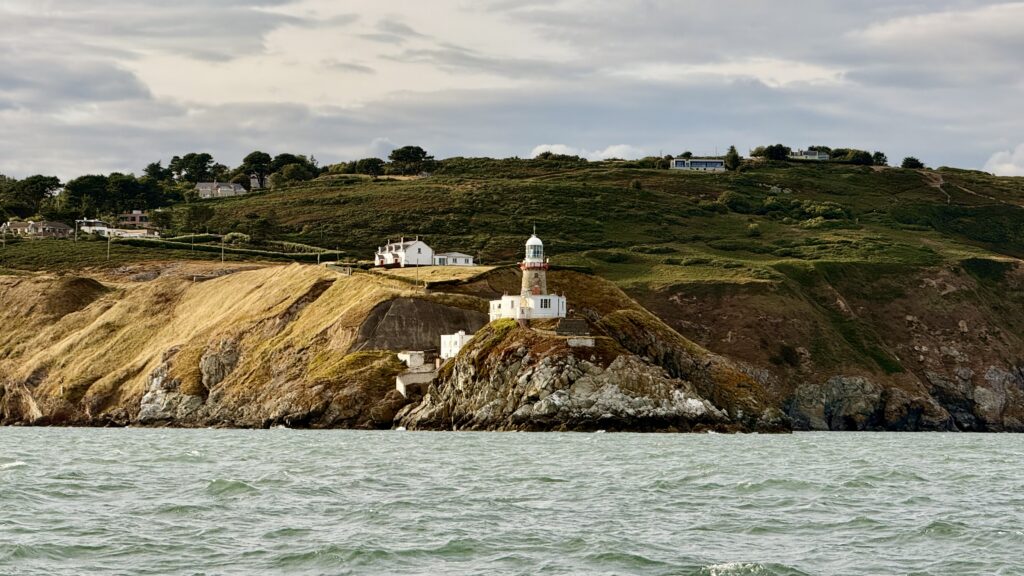
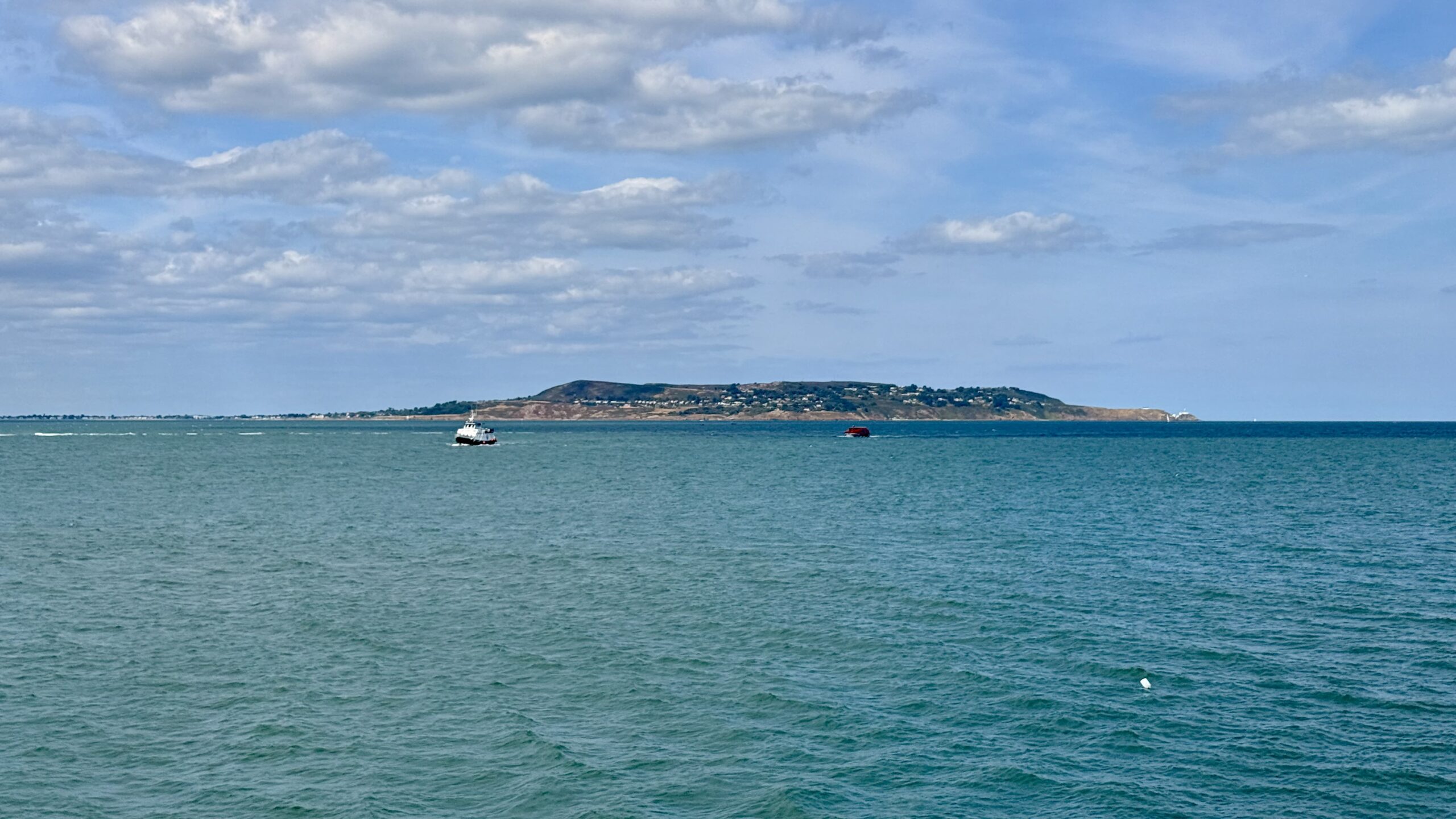
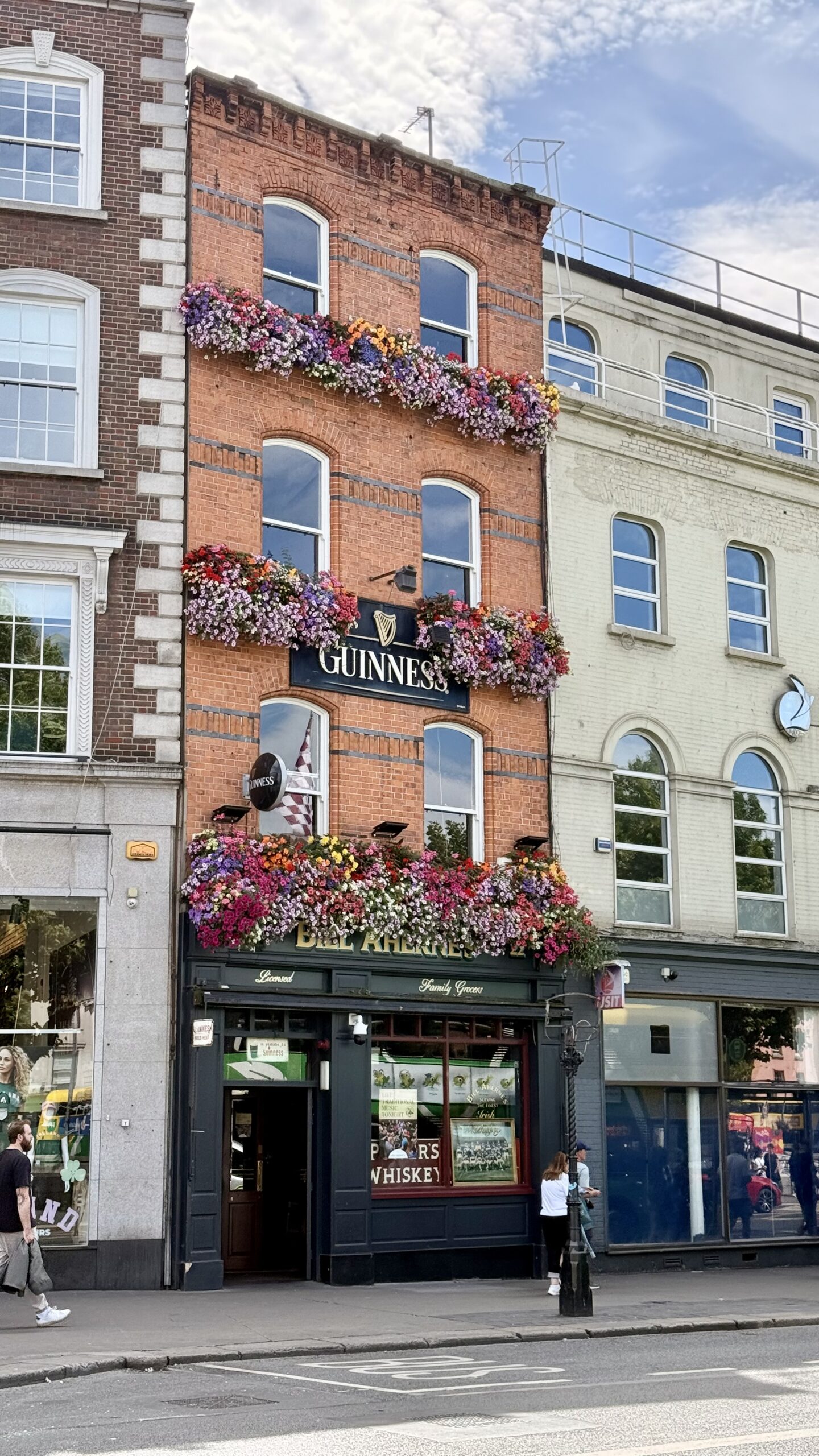
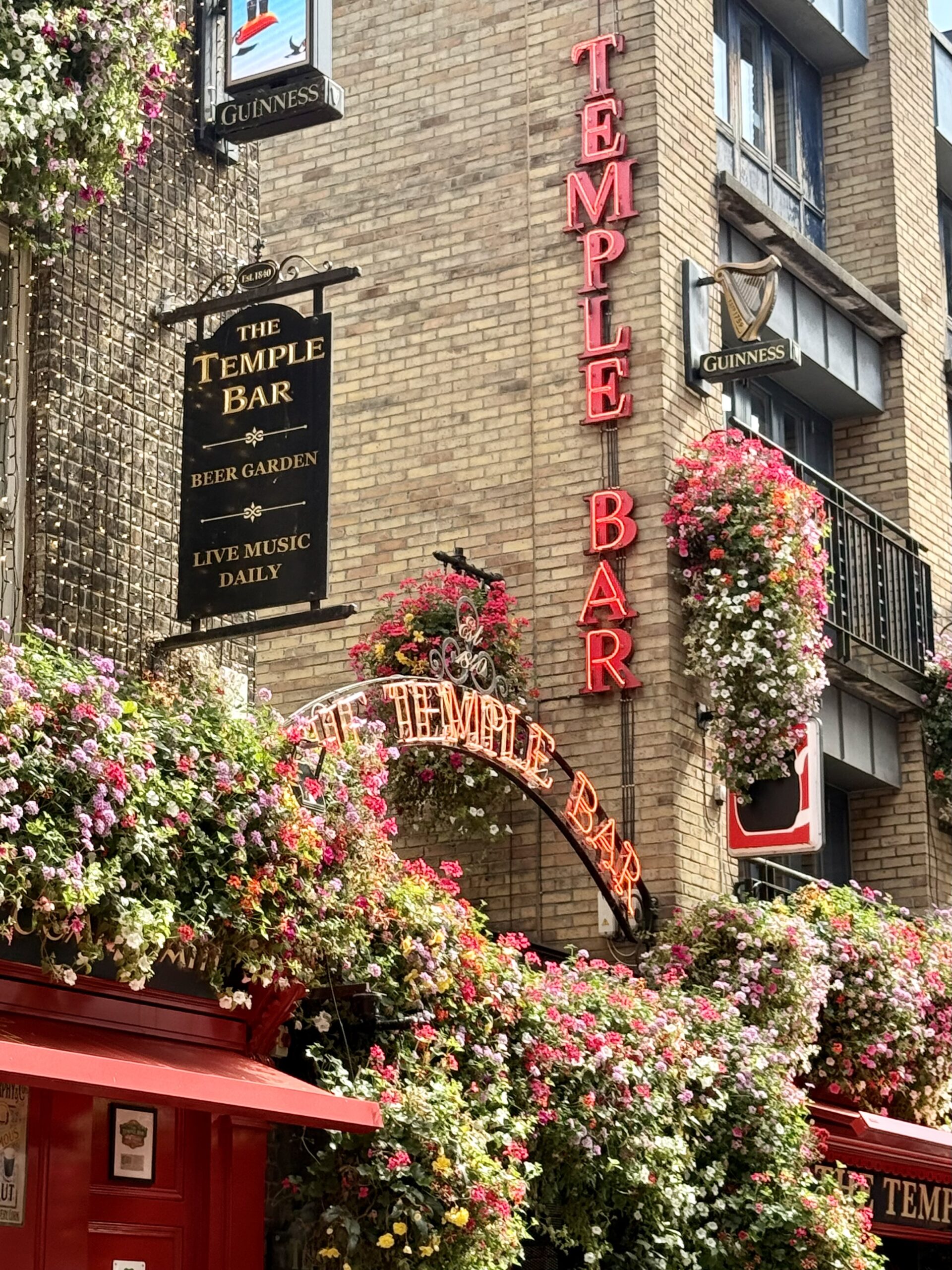
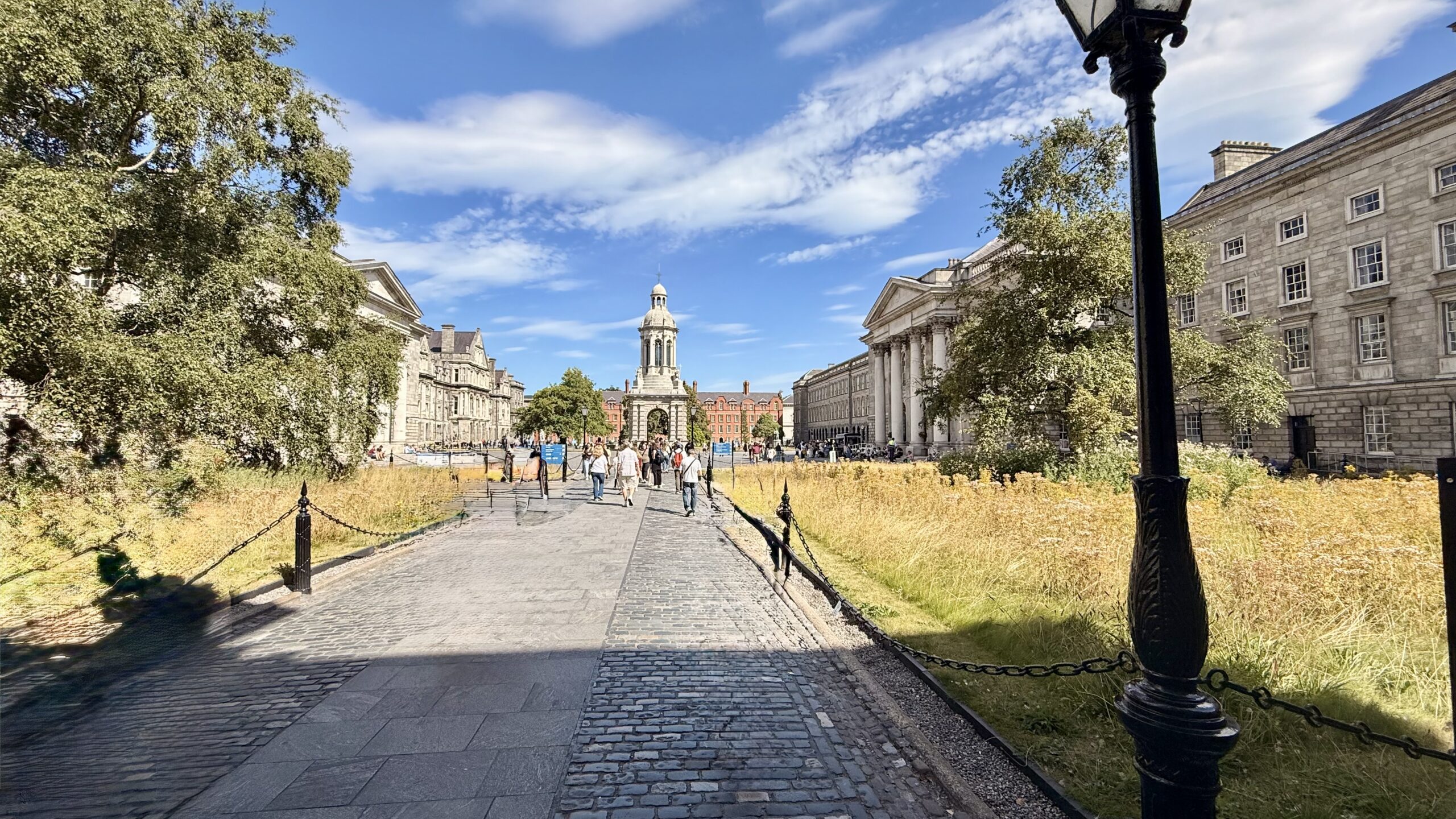
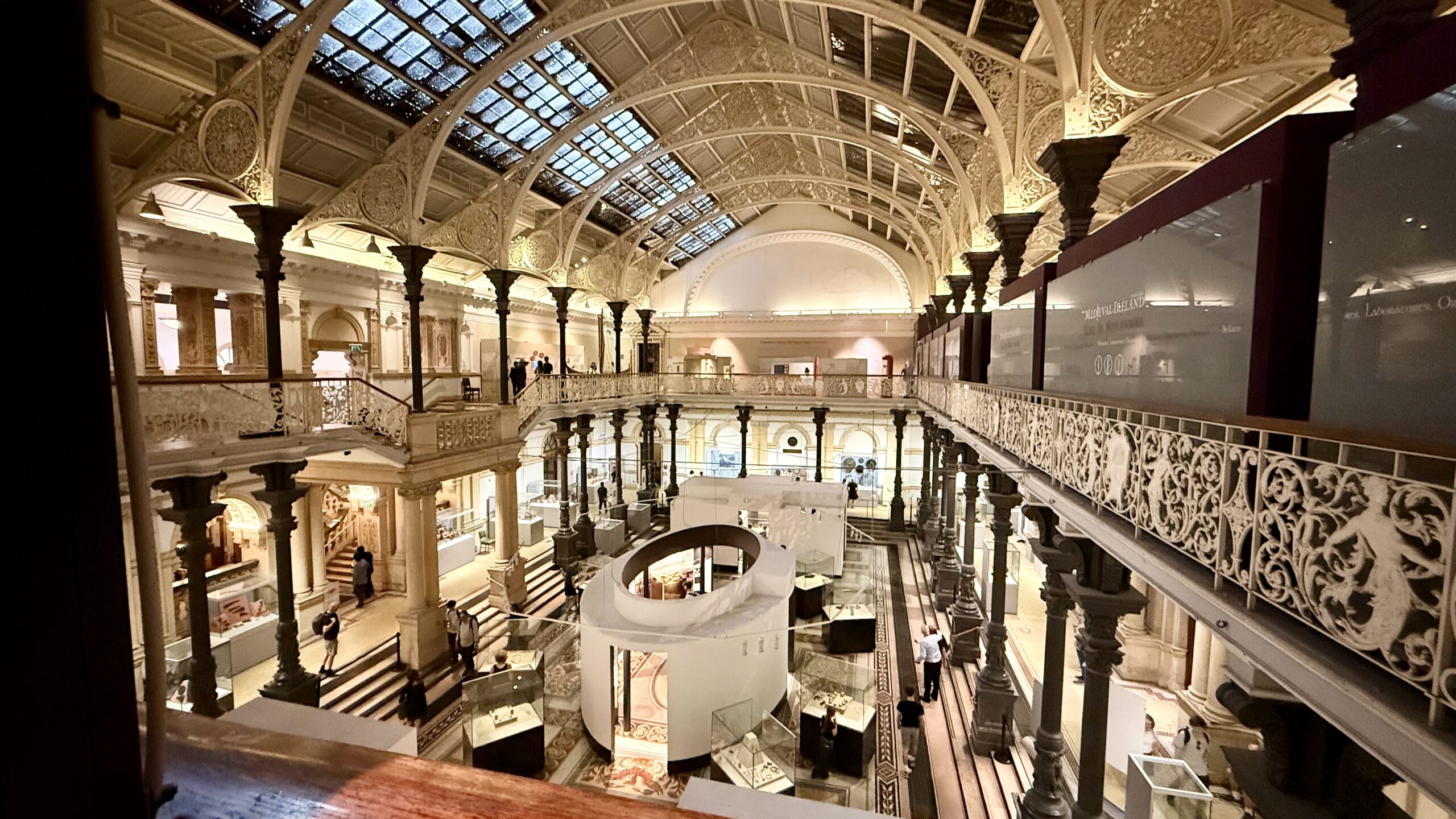
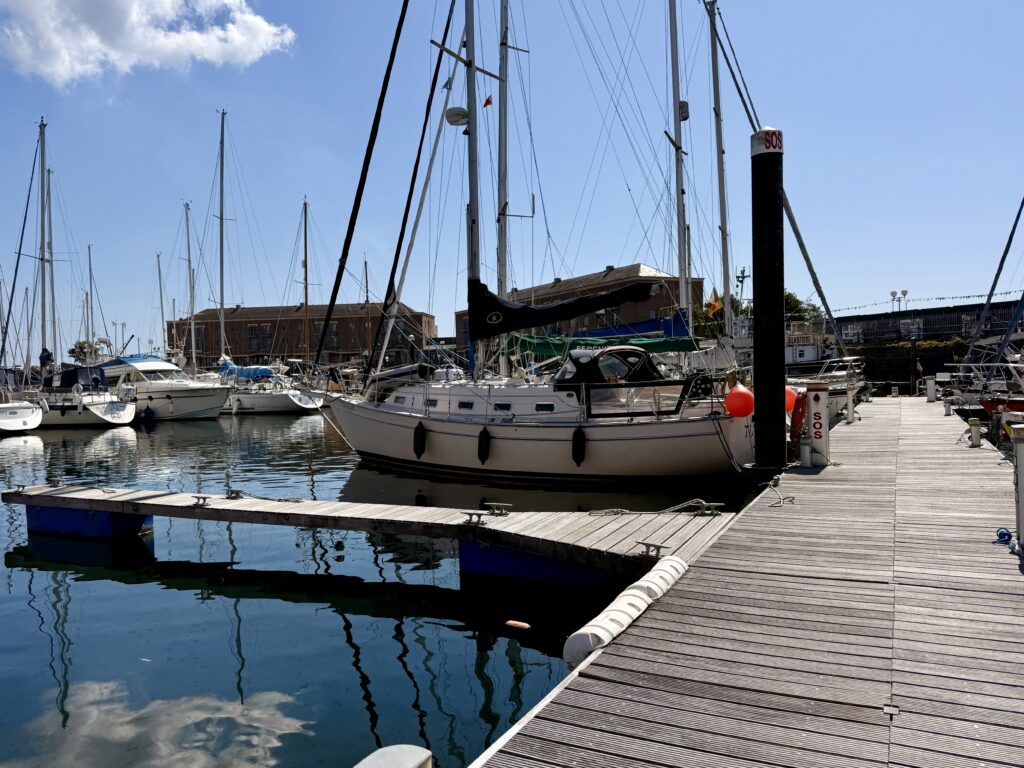
A gentle westerly breeze in the morning was supposed to be enough for at least a little sailing, so we set off early again. But after just a few miles with the first reef in, it became clear: we weren’t going to make it to Dublin today without the engine. So we continued motorsailing towards Ireland. Off Howth, we picked up a bit more wind, right on the nose. None of the weather models had predicted it. Perhaps it was a headland effect. In Dublin Bay, the wind eased again, and we entered Dun Laoghaire Marina alongside plenty of racing boats. The huge marina offers good service and a (comparatively) reasonable weekly rate: you pay for 5 days and can stay for 7. As we wanted to explore Dublin and place an order with SVB at the same time, we stayed a little longer.
We were able to have the order delivered to the harbourmaster’s office. As we were back in the EU, there were no extra charges either. Three impellers from SVB cost just under 60 €. In Norway, a single one (!) would have cost 115 €. We’d politely declined and refitted an old one that was still in decent condition.
To leave the UK, we dutifully filled in an sPCR. In Ireland, we hoisted the Q flag and asked the harbourmaster who we should report to and how. He said there were no formalities. After all, the UK and Ireland had the Common Travel Area (CTA). As that only applies to British citizens, we didn’t really understand his reasoning, but even when two Customs & Immigration officers carried out a routine check a few days later, they weren’t concerned about it.
Leg: Dun Laoghaire → Arklow
On we go, heading south along Ireland’s east coast. There aren’t many harbours, nor many sheltered anchorages. So we can’t afford to be choosy and settle for the bay with its industrial charm off Arklow. The sandy beach looks lovely, and with plenty of imagination, the old silo could pass for a ruined castle. In Arklow harbour, we’d have to raft up and pay a hefty 45 € for the privilege. We’d rather save the money. As a small consolation, a seal visited us every evening, growing less shy each time and peering curiously into the cockpit.
Leg: Arklow → Rosslare
A direct passage from Arklow to Wales would have meant sailing overnight. To avoid that, we planned a stop in Rosslare. That would leave us with just 13 hours for the crossing. Light south-westerly winds were forecast. The tide began setting south at roughly the time we were finishing work. So we weren’t too worried about wind against tide.
Unfortunately, the weather forecasters were a little off the mark: off Cahore Point, where the first sandbanks begin, things became uncomfortable. The wind picked up, and so the sea built up. At times, we slammed into the waves so hard that we barely made any headway. With the engine running and the storm jib set, we tacked into the wind, which gusted to nearly 30 knots at times. We got soaked several times and occasionally struggled to pick our way through all the crab pots in those conditions. Happy to have reached the anchorage west of Rosslare Harbour before sunset, we made something to eat and then fell into bed.
Leg: Rosslare →Milford Haven
We haven’t slept particularly well. Early in the morning, the wind whistles through the rigging and wakes us. At least the anchorage is well sheltered in this south-westerly. Just as we’re ready to leave, the wind suddenly dies completely. Not a promising start for today’s passage of nearly 70 miles. Especially with our diesel running low. So we do something we don’t normally do. Instead of motoring, we drift out into the St. Georges Channel at 2-3 knots. We’re still weighing up our options (because we can’t arrive in Milford too late either) when the wind suddenly shifts and picks up.
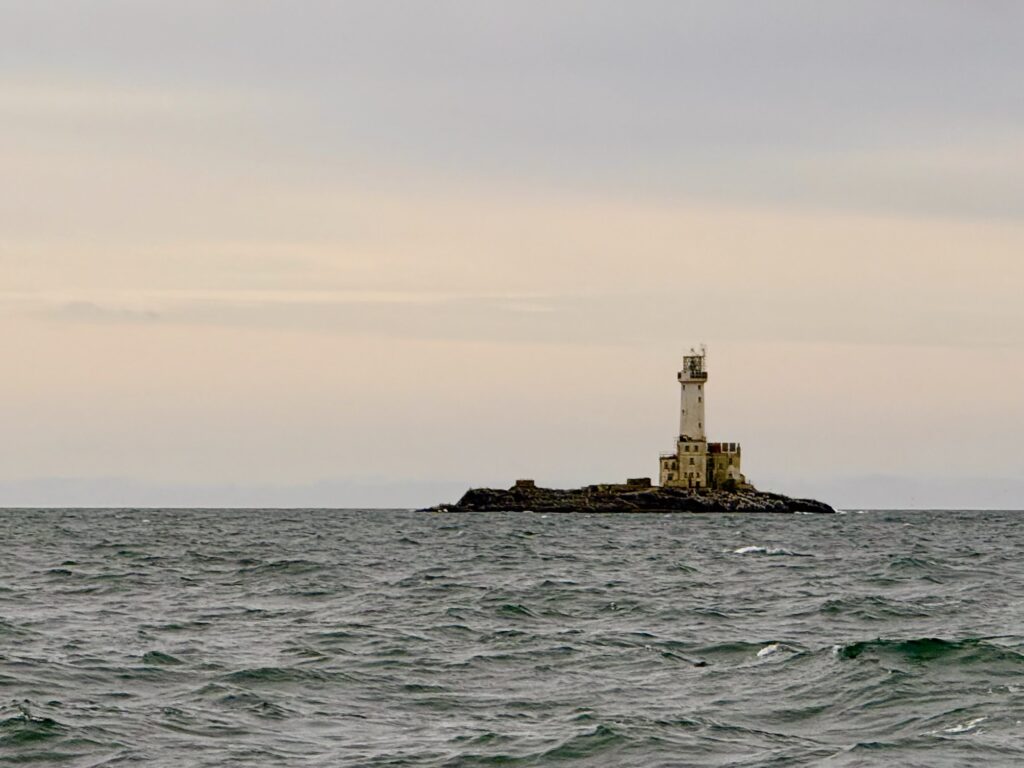
Shortly afterwards, we’re sailing on a lovely beam reach. Unfortunately, with a »foul tide«, which slows us down a little. Adjusting our course only does so much to help. But we’re still making good time. The plan is to arrive in Milford ideally 1-2 hours before high water, as strong tidal streams run off St. Anns Head outside that window. So ideally at 7pm and no later than 9pm, as we don’t want to tackle the many overfalls there in the dark.
Crossing St. George’s Channel
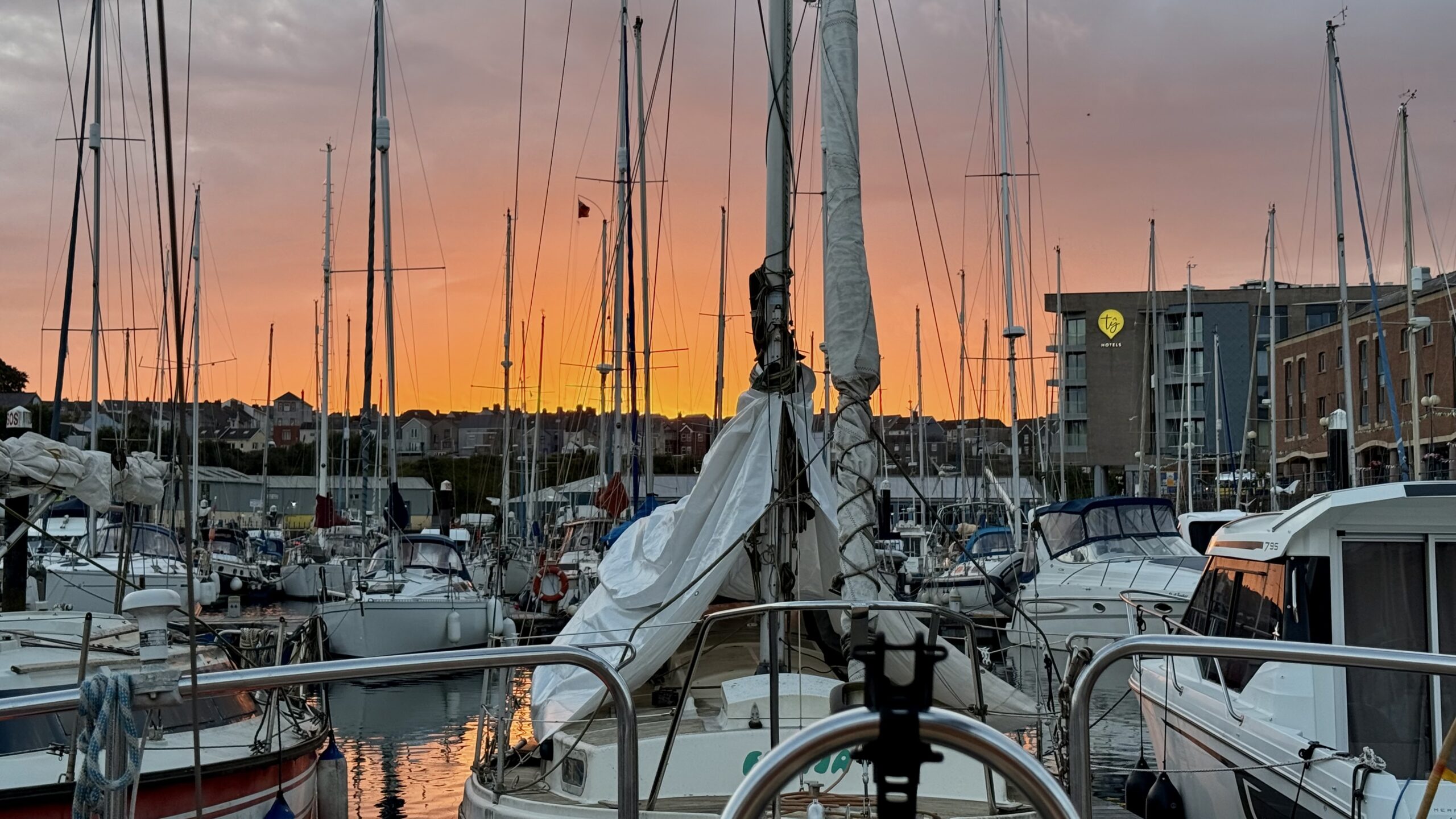
Every now and then, quite high waves roll beneath us. Later, with the tide in our favour, the sea calms down noticeably. It’s only roughly off Skomer Island — on the Welsh coast — that things get a little bumpy again. But we’re more or less on schedule for our planned arrival. We drop the sails and motor into the bay towards Milford Marina. The lock at the entrance operates to a timetable and stays open continuously around high water. We still have to wait 20 minutes for free flow. Shortly after sunset, we tie up in our berth.
The next morning, we try to get a clearance from customs. We’d dutifully reported our arrival via sPCR, but the usual clearance by email or phone hasn’t come through. So we call the Immigration contact for Wales. The friendly gentleman doesn’t really understand what we want from him either. But he does give us the okay to take down the Q flag.
🗺️ Memorable experiences & lessons learnt
- That »wild ride« along Ireland’s east coast will probably stay with us for a while.
- Never trust the forecast or count on mild wind-against-tide conditions, especially along the Irish coast.
- The loveliest encounter of the summer and many happy days with Ana & Joan from Trotamar4 in Milford Haven.
⚓ Our favourite place this trip
- Dun Laoghaire
💡 Practical tips for fellow sailors
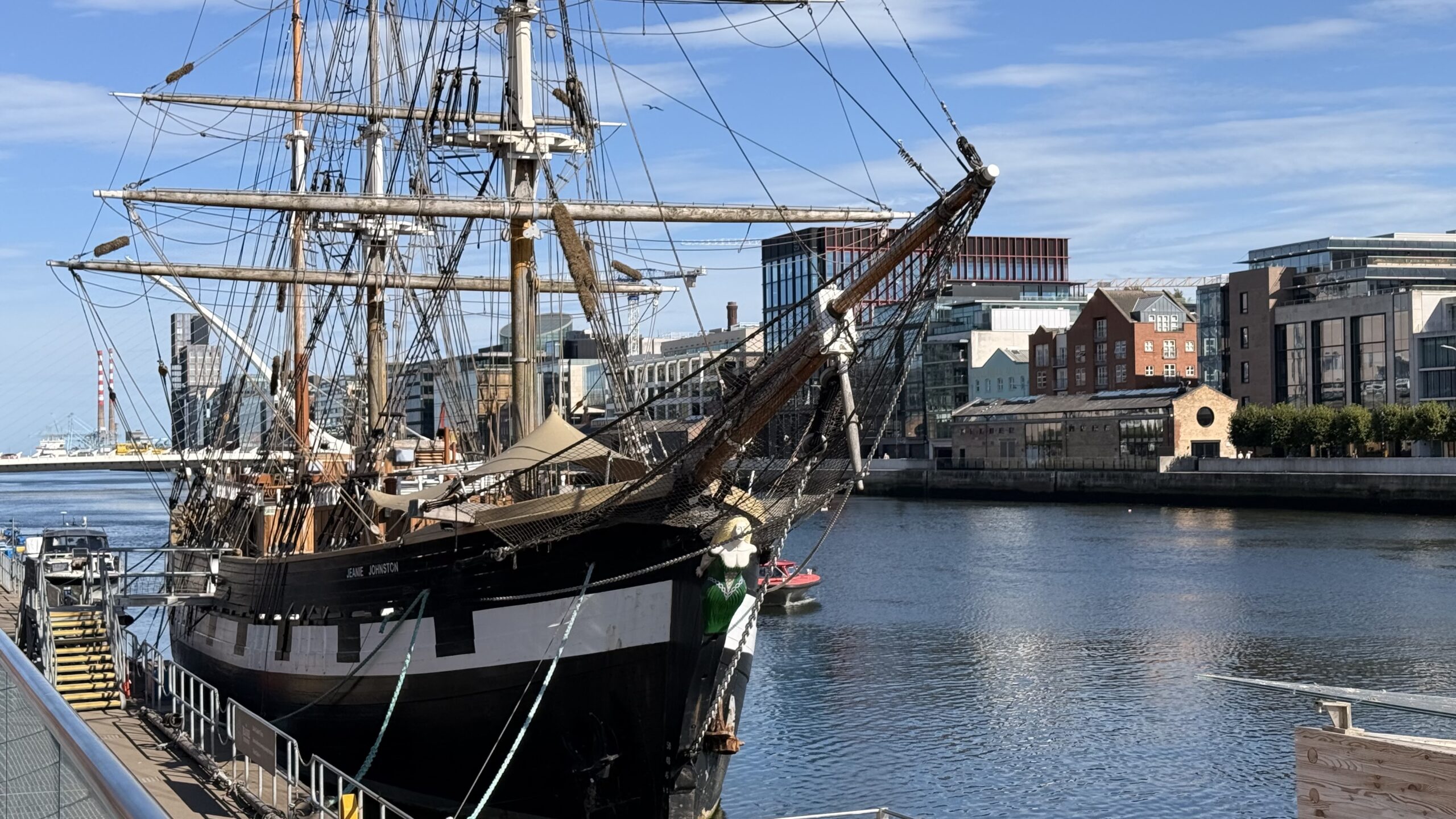
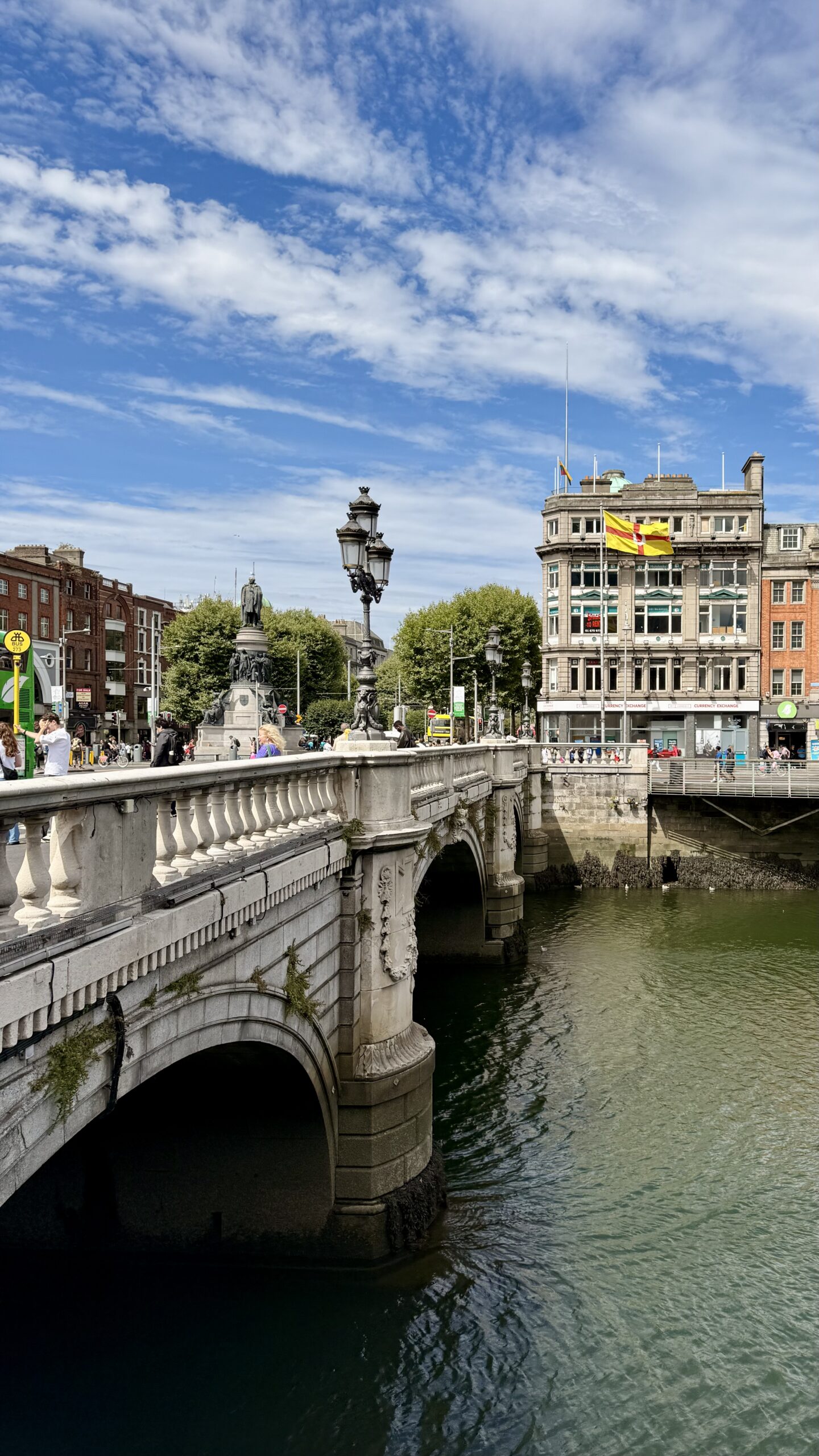
- The marina in Dun Laoghaire is a good base for visiting Dublin. It saves you the long passage to the far end of the bay and a few euros in berthing fees. The train leaves from right by the harbour.
🖼️ Gallery