🧭 Factsheet
Route: From Sjötorp to Källö-Knippla
Period: 10 to 30 September 2024
Distance logged: 147 nautical miles
Harbour days: 6
Anchor days: 0
Highlight: The 8-metre-high lock chambers in Trollhättan.
📍 Our route & stages
Stage 1: Sjötorp → Läckö Slott
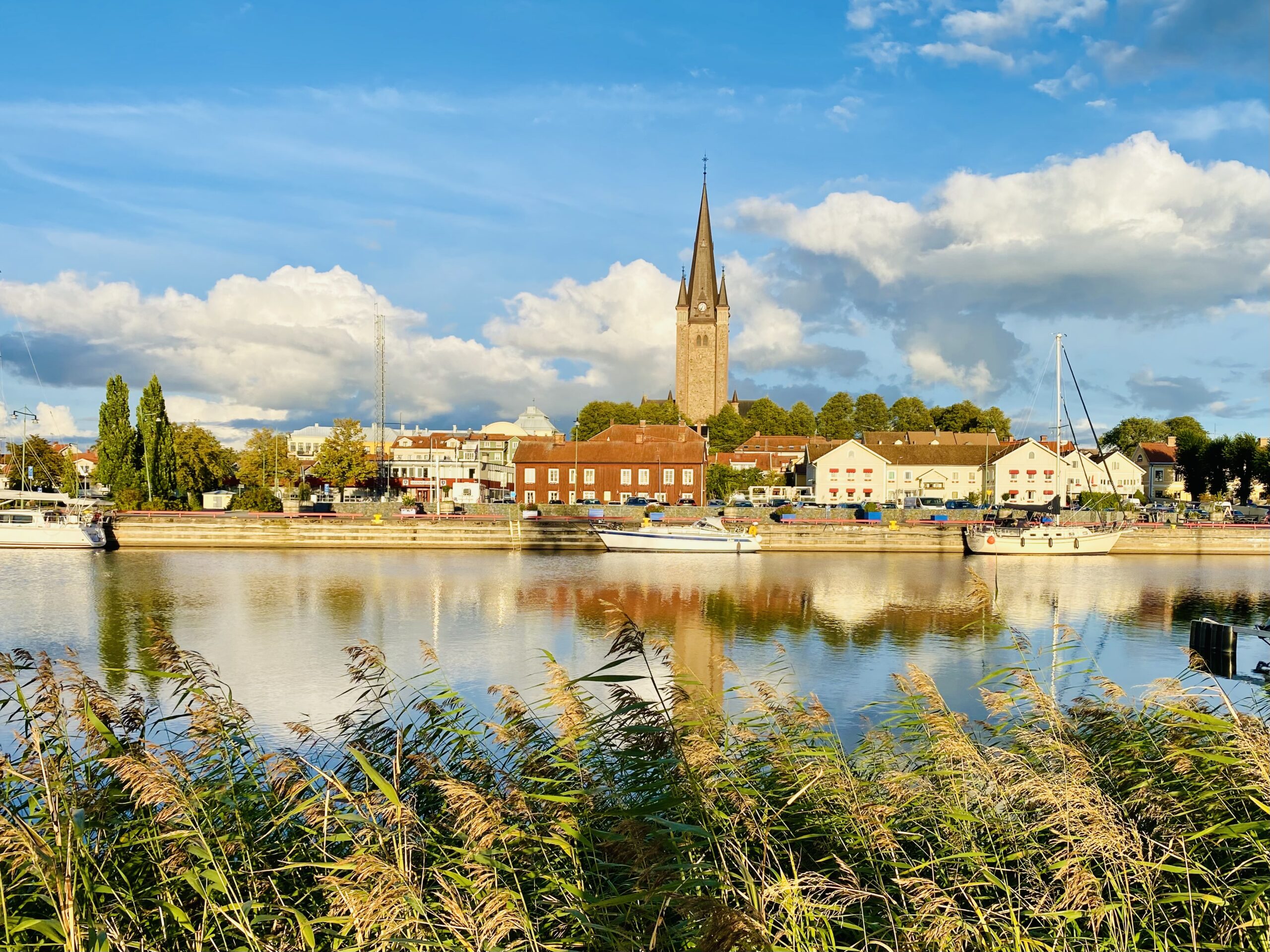
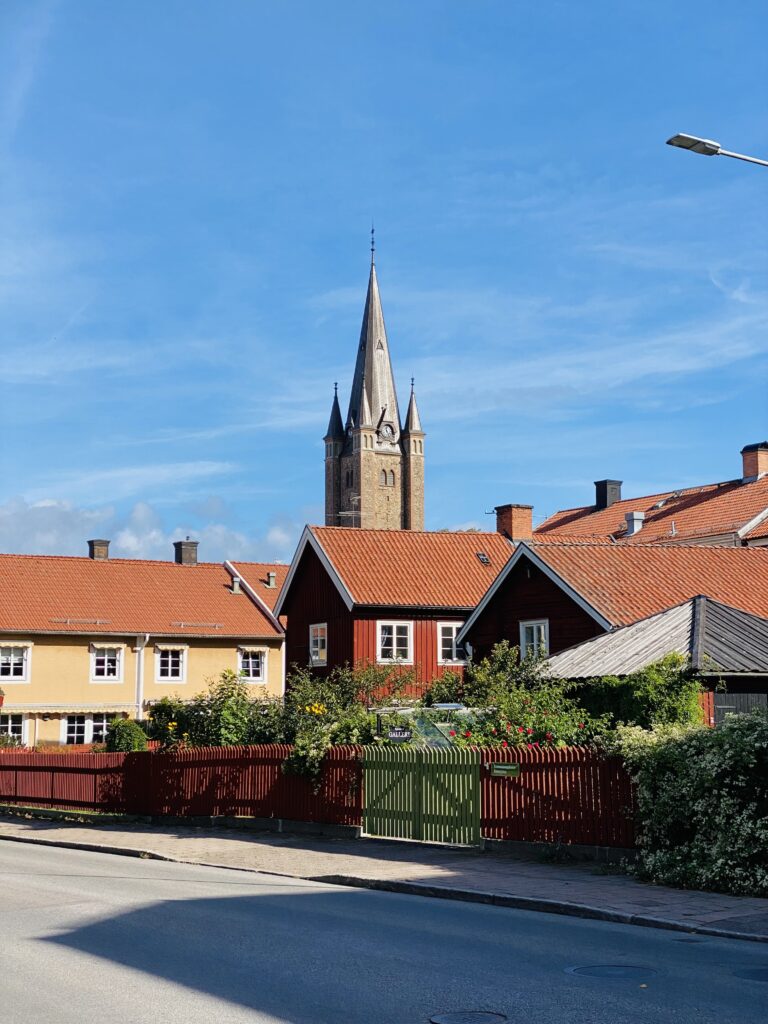
We spend one more rainy day in Sjötorp, take a little walk along the canal and have a rest. Then we carry on to Mariestad. We don’t want to miss this venerable old town on Lake Vänern. And we need to stock up on provisions again, plus some fresh mooring beer. You can get that straight from the brewery there. The harbour is fantastically well equipped, so once again we’re giving it 5 stars. And you can even do your washing for free, which of course we made use of right away.
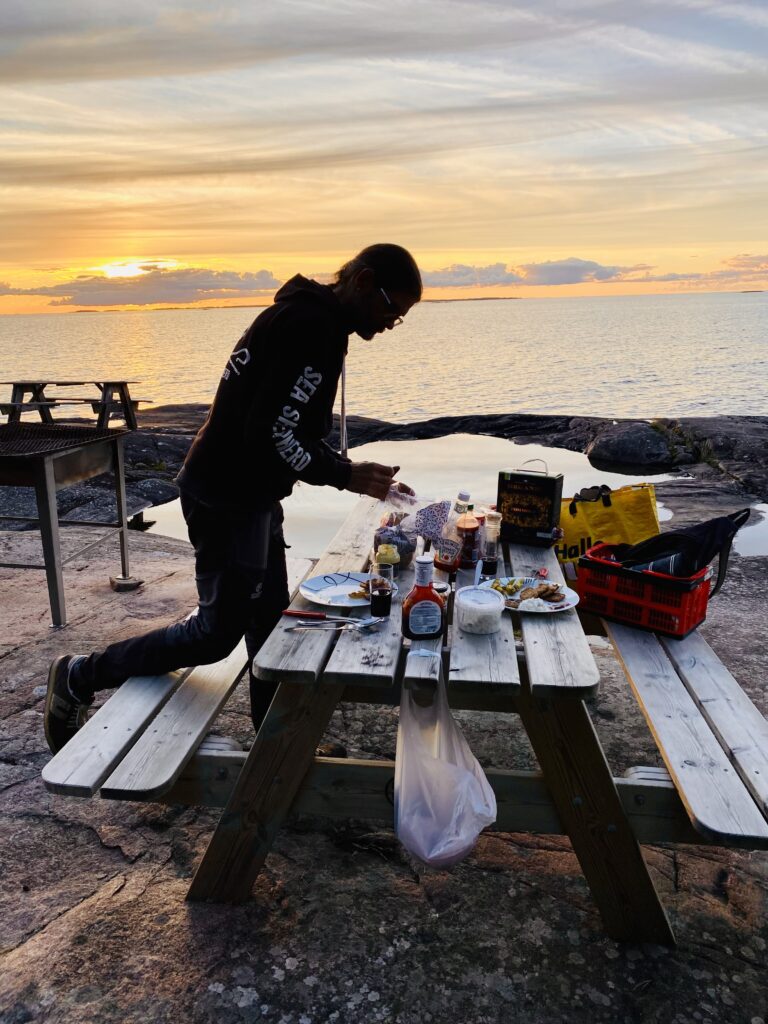
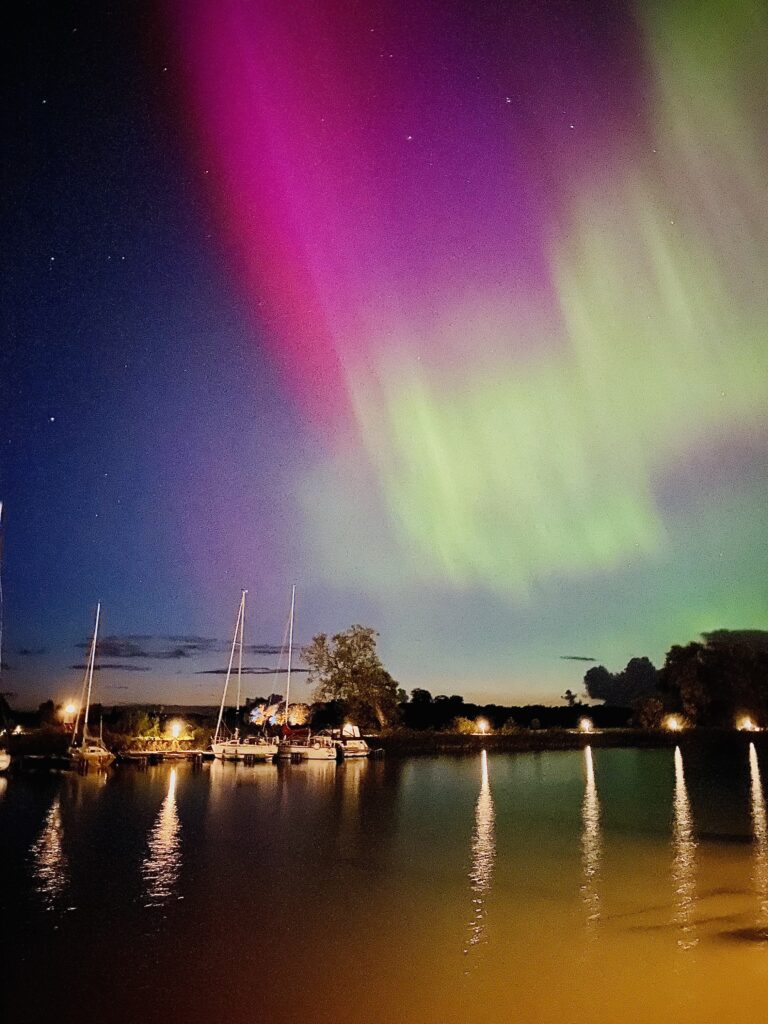
The next day we head for a small island called Lindökroken. At this time of year, we have it entirely to ourselves. Besides a jetty, there are also SXK buoys, and of course you can anchor too. We have a barbecue on the west coast, watch the sunset and later spot the Northern Lights again in the starry sky.
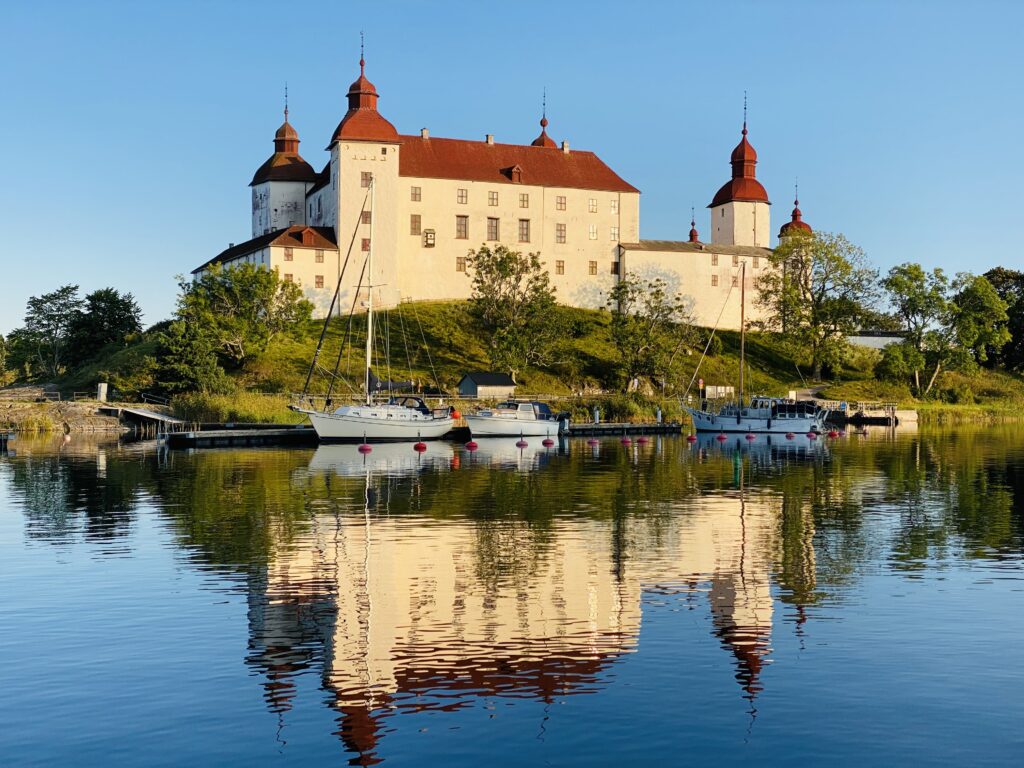
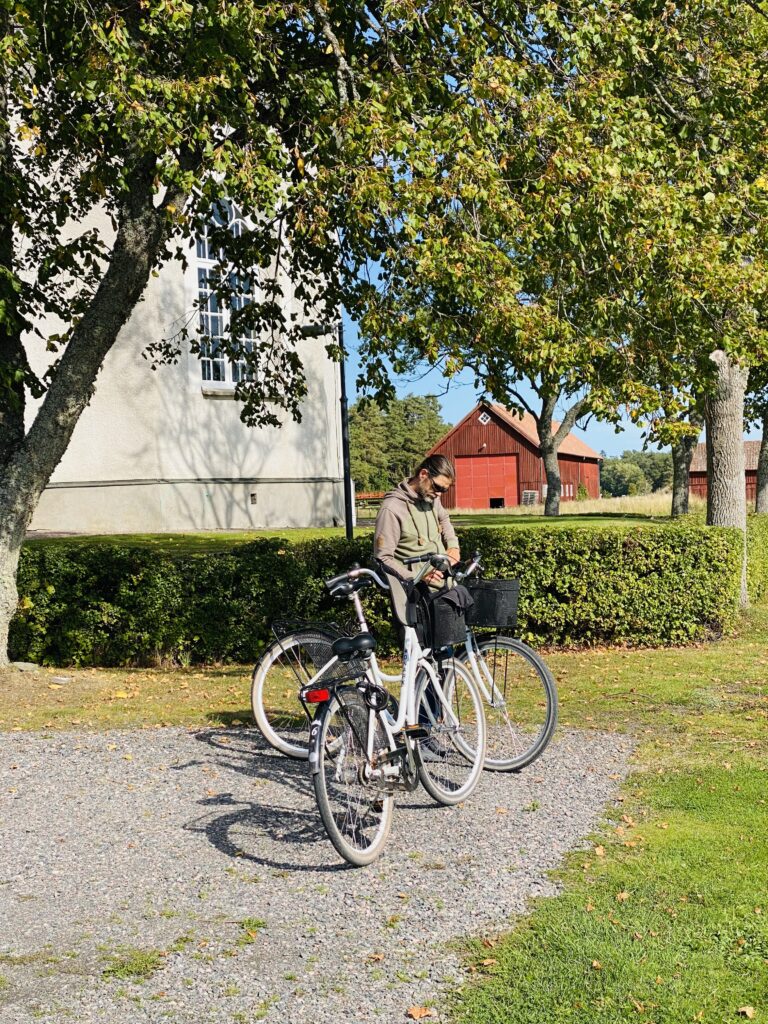
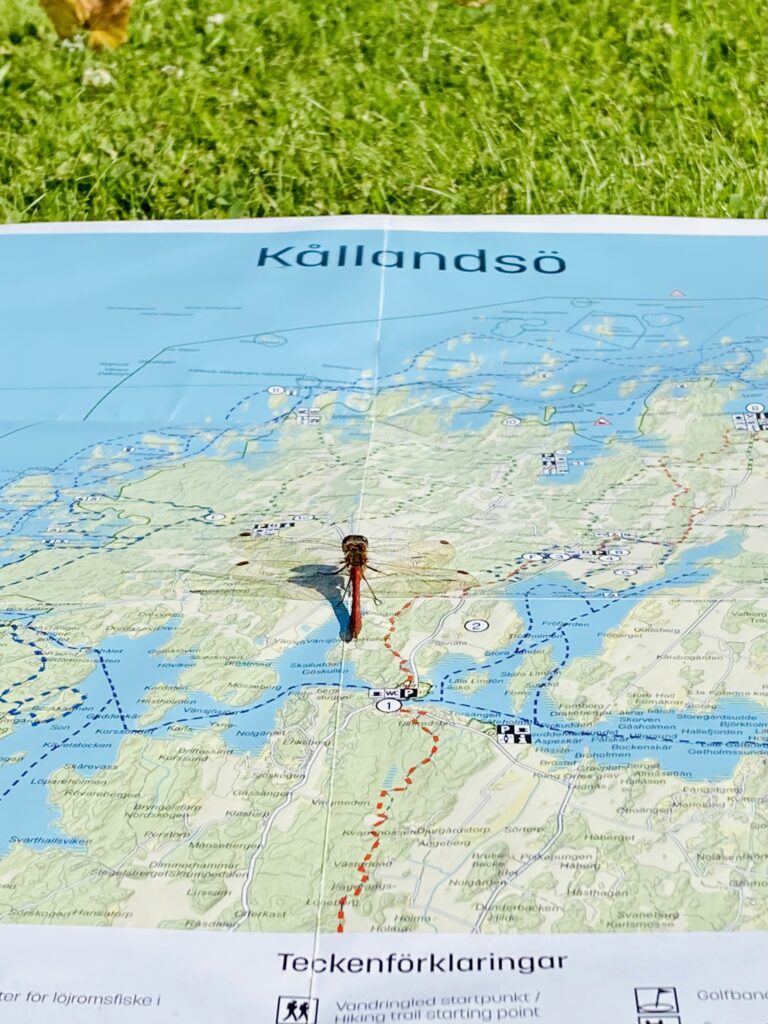
The day after that, there’s no chance of sailing, absolutely no wind at all. Lake Vänern is flat calm. We motor on to Läckö Slott. Here too, it’s already off-season. Even the container with the sanitary facilities has been locked up already. But never mind, in return we have almost the whole harbour with a castle view to ourselves. The next day, a bike ride takes us all the way round the island of Kållandsö.
Stage 2: Läckö Slott → Vänersborg
A good weather window is opening up for the coming week, and we decide to do the Trollhätte Canal that weekend. We fill up once more in the pretty little fishing village of Spiken and make two more anchoring stops in Klitt and Mattskämman in gloomy, foggy miserable weather. The next day, though, we sail on to Vänersborg in lovely autumn sunshine and gentle wind.
Stage 3: Trollhätte Canal section Vänersborg → Trollhättan
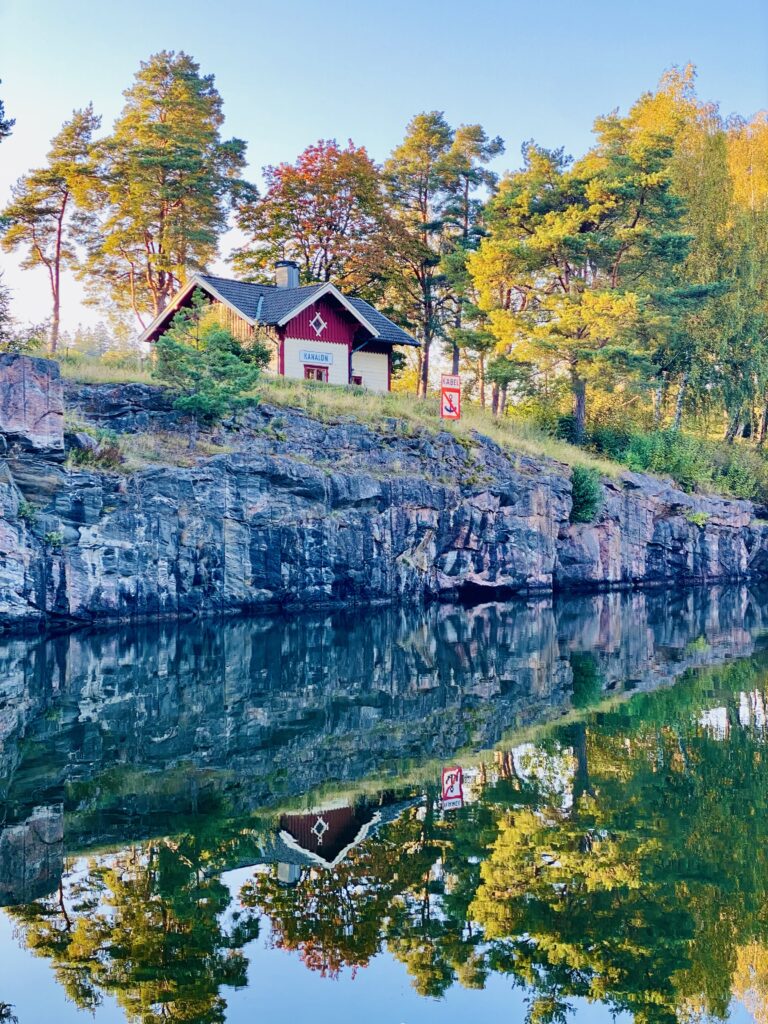
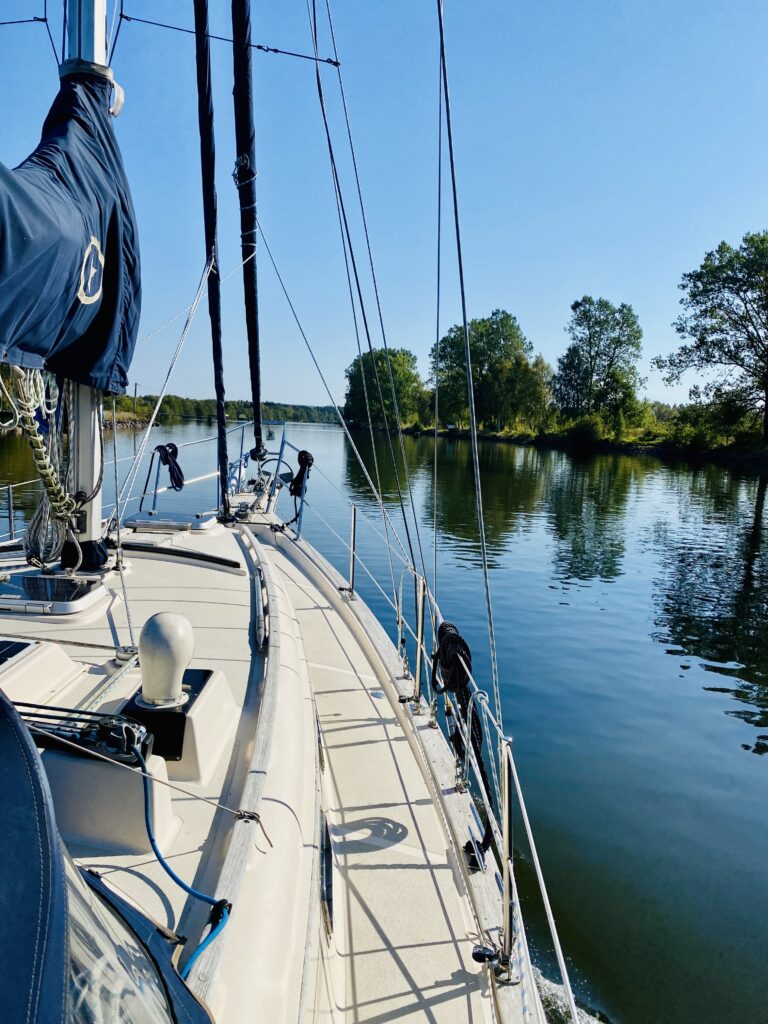
Off we go through the Trollhätte Canal. The canal route is 82 km long in total, but only around 10 km of that is man-made waterway; the rest follows the natural riverbed of the Göta älv. Unlike the Göta Canal, it isn’t run by a special company but by the Swedish Sjöfartsverket. Along the way there are 12 bridges, 3 of which cannot be opened. With six locks – one at Lilla Edet, four connected chambers at Trollhättan and one at Brinkebergskulle – you cover a total height difference of 44 metres down to the Kattegat. The canal fee of 1,200 SEK (around €100) is paid at the first lock or at the canal office in Trollhättan. There’s also a museum there.
The trip to Trollhättan was uneventful: one lock (Brinkebergskulle) and various bridges that were each supposed to be called on the radio for opening. Somehow we never got a reply, but the bridges opened anyway.
Stage 4: Trollhätte Canal section Trollhättan → Kungälv
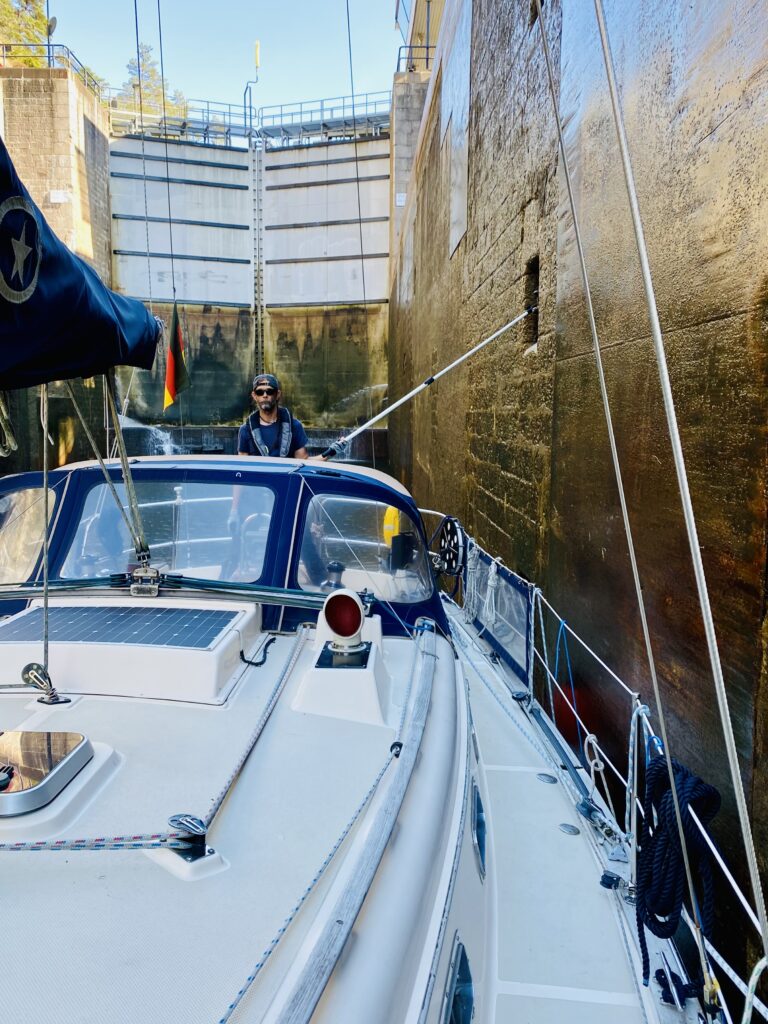
First thing in the morning comes the big lock staircase in Trollhättan: 4 enormous chambers, each compensating for an 8-metre difference in height. It looks impressive, but the actual locking through is easy. You simply hold on front and back with a boat hook on the ladders. Sadly, we had to wait 2 hours in the first chamber before locking through. Commercial shipping has priority, and of course a giant ship had to squeeze in just ahead of us.
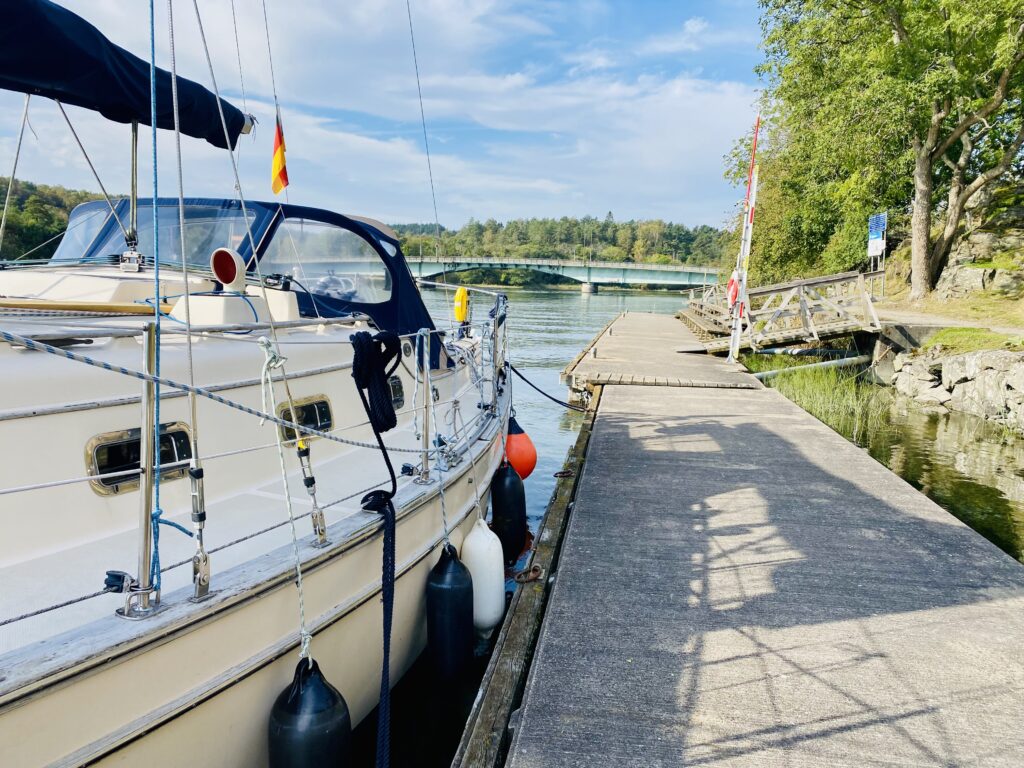
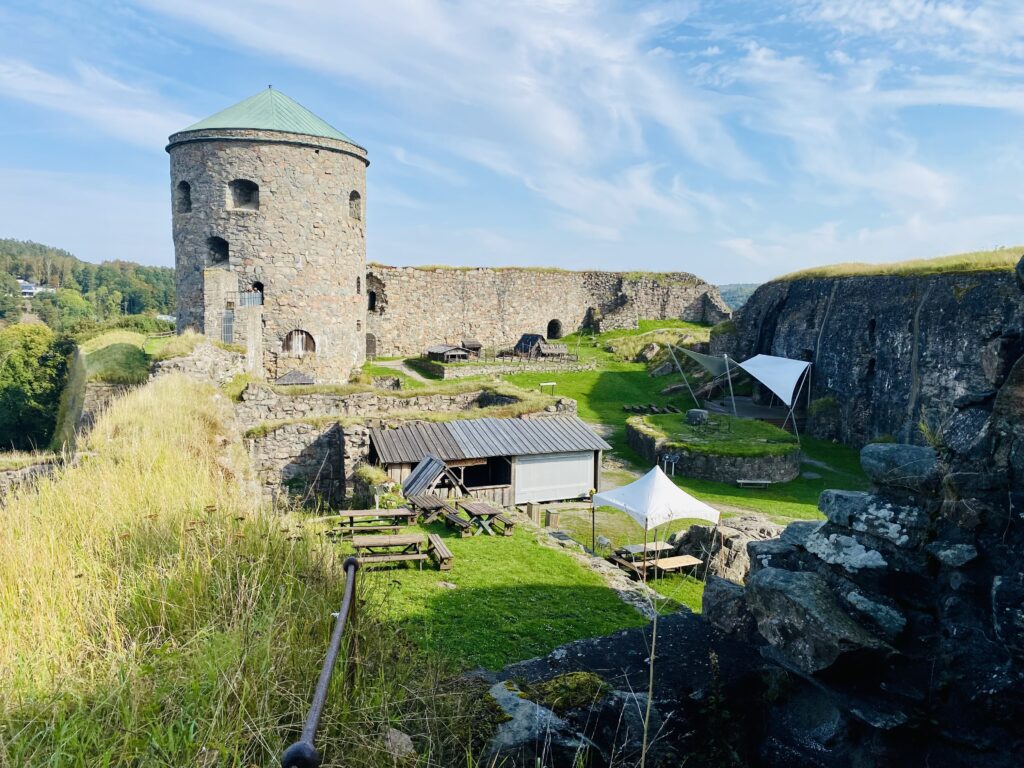
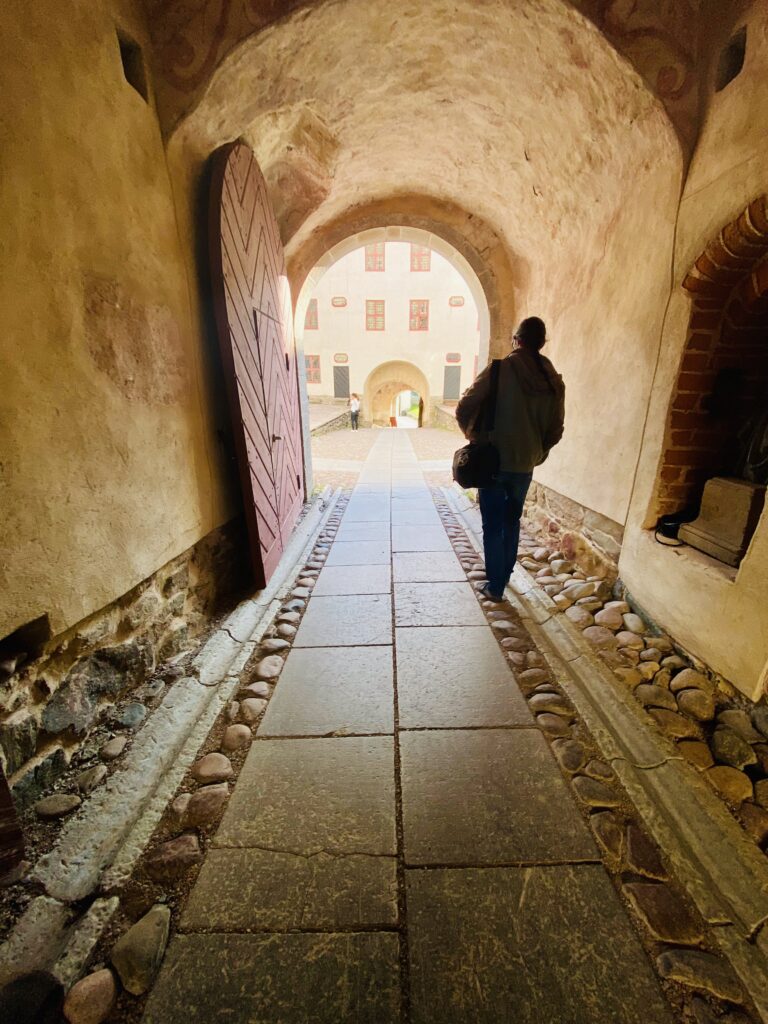
On the plus side, the lock at Lilla Edet was already open, so we were through in no time. After that, we followed the natural course of the Göta älv and, with the current helping us along, made pretty quick progress to Kungälv. In the morning we took the chance to visit Bohus Fortress, and then carried on to Gothenburg.
Stage 5: Trollhätte Canal section Kungälv → Gothenburg
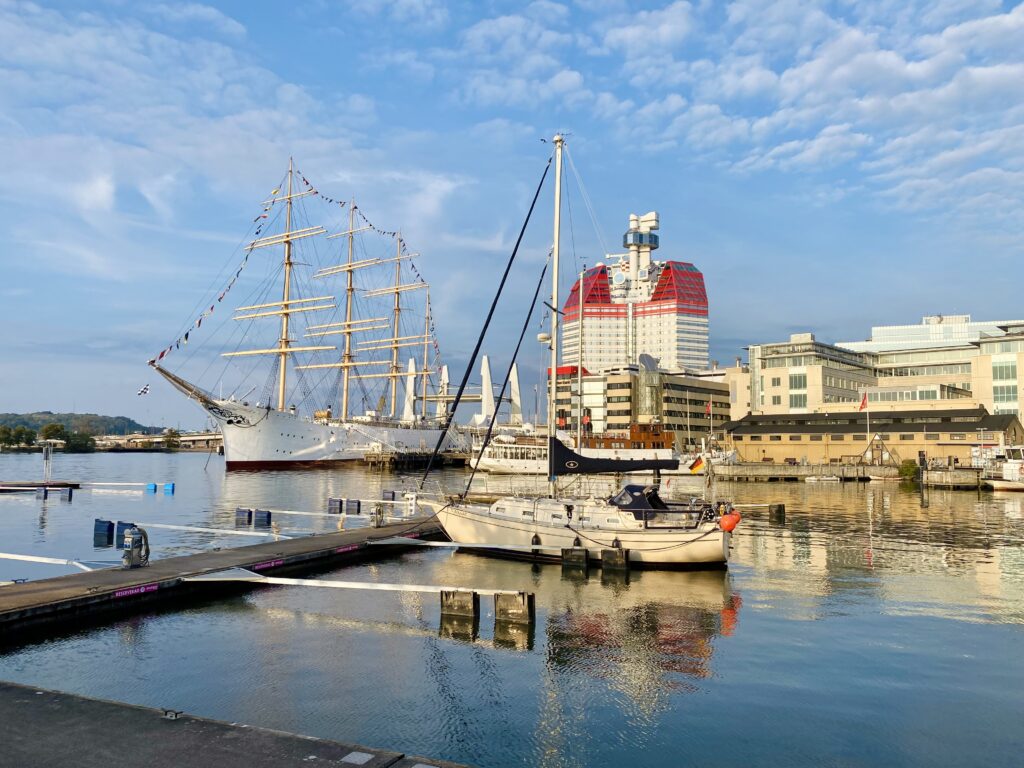
After visiting the fortress, I called Jordfallsbron from the jetty and asked about the next opening. The nice man said it would still be a little while and then rang us back shortly before opening time. That saved us from having to wait in front of the bridge in the not insignificant current. The next bridge opening for Gothenburg’s Hisingsbron would be at 14:35 or 16:35. As we probably wouldn’t have made the first one anyway, we drifted downriver towards Gothenburg almost at idle speed and at the pace of the current. The weather was lovely once more and we really enjoyed the trip.
Stage 5: Gothenburg → Gothenburg archipelago
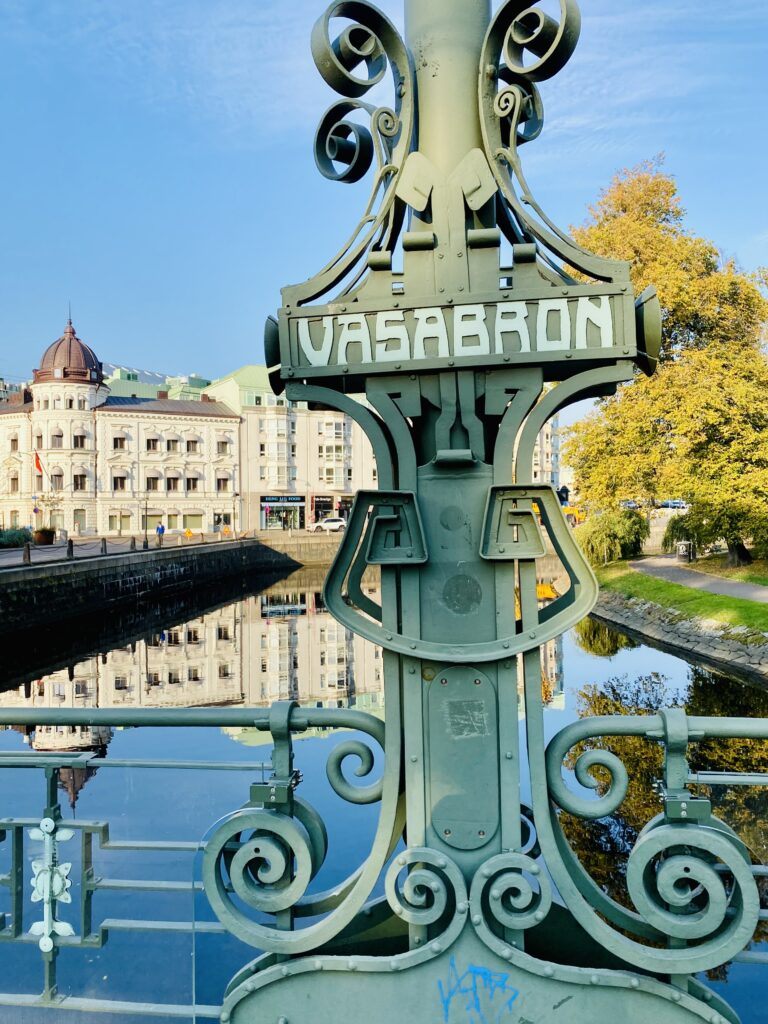
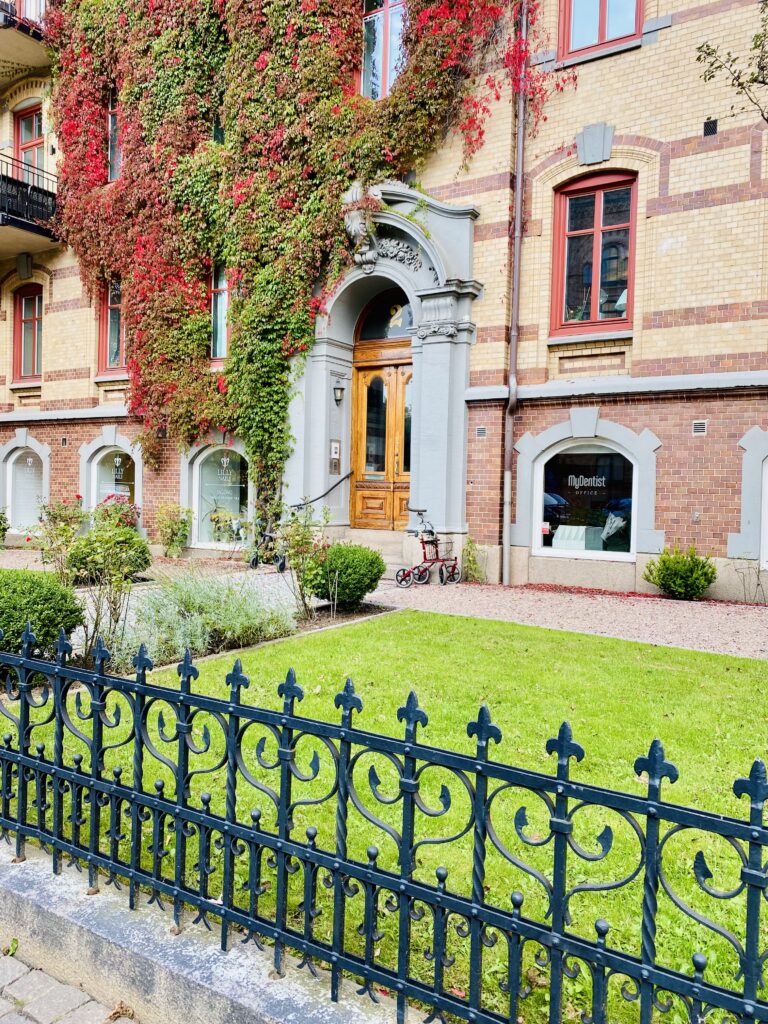
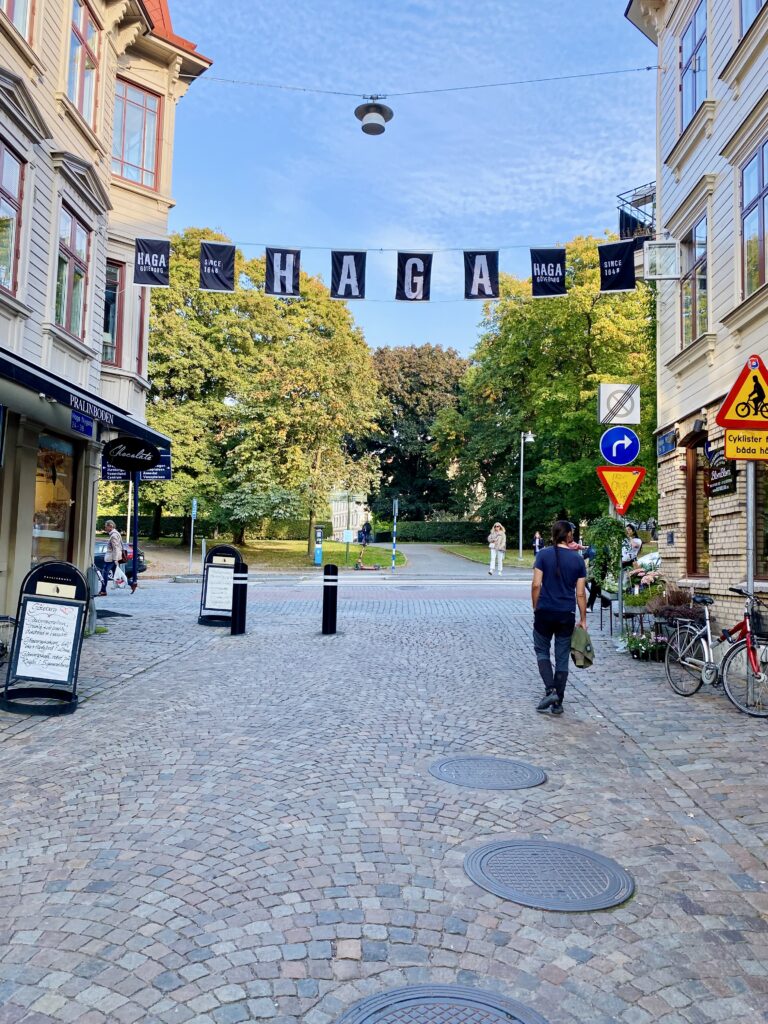
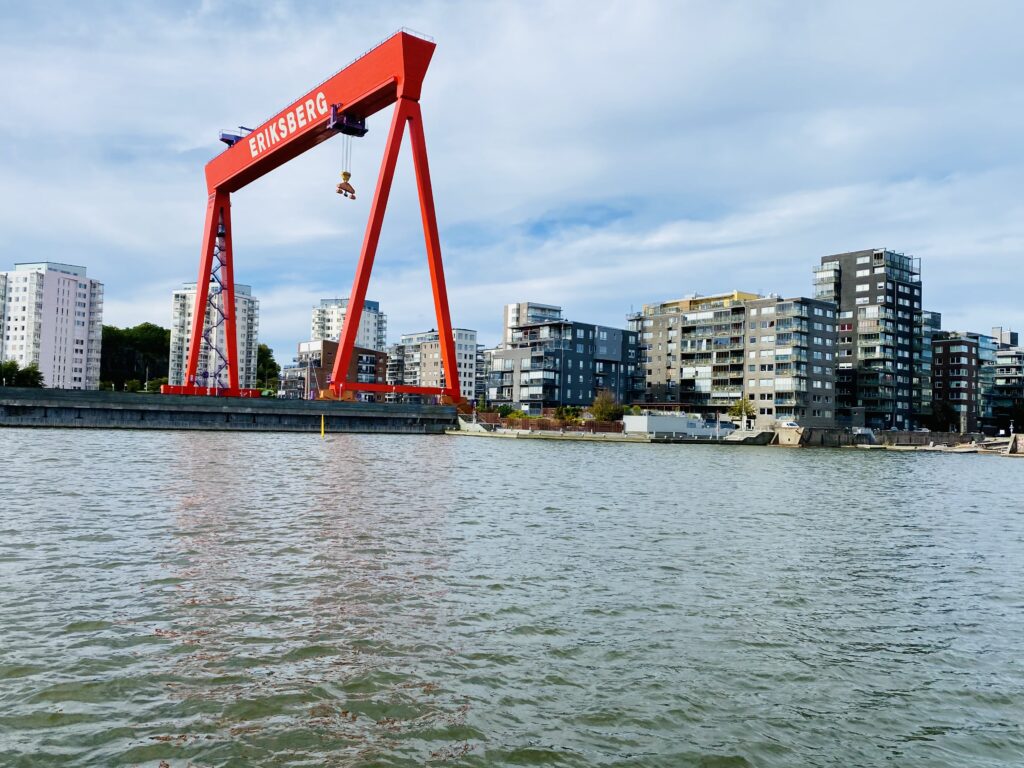
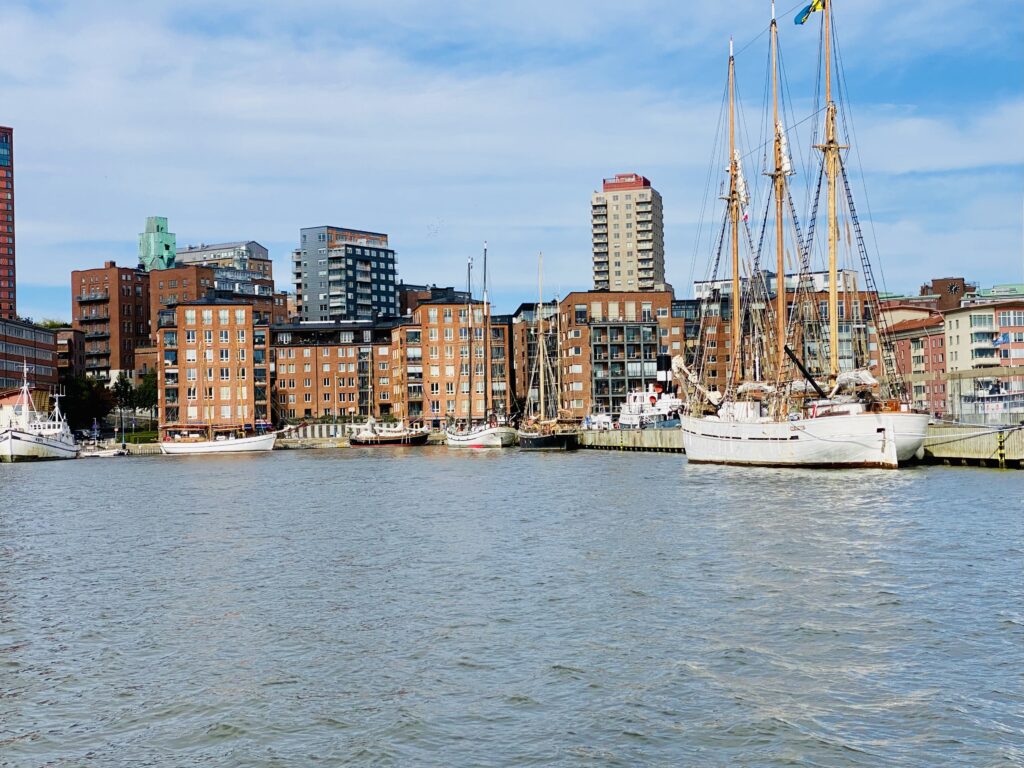
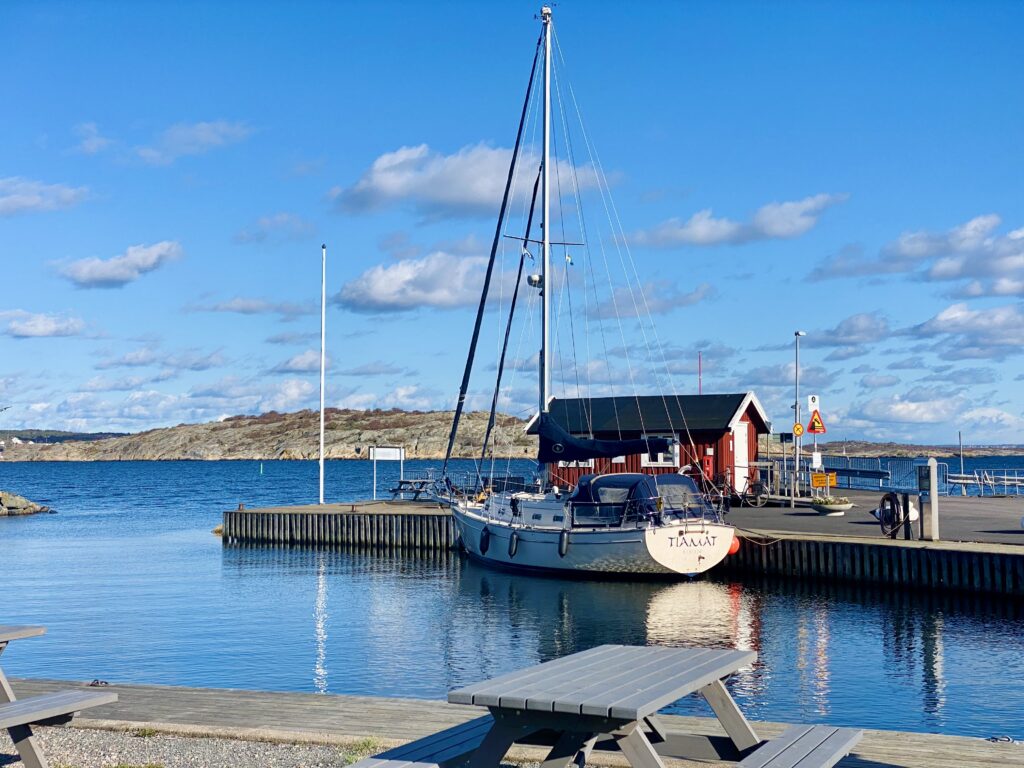
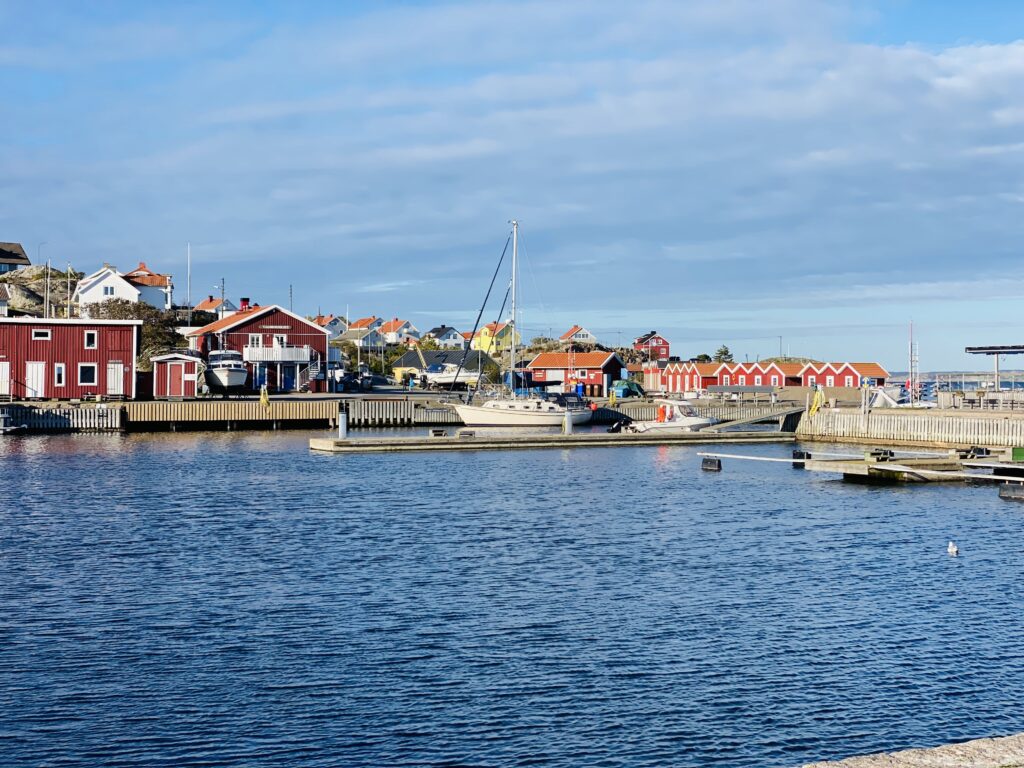
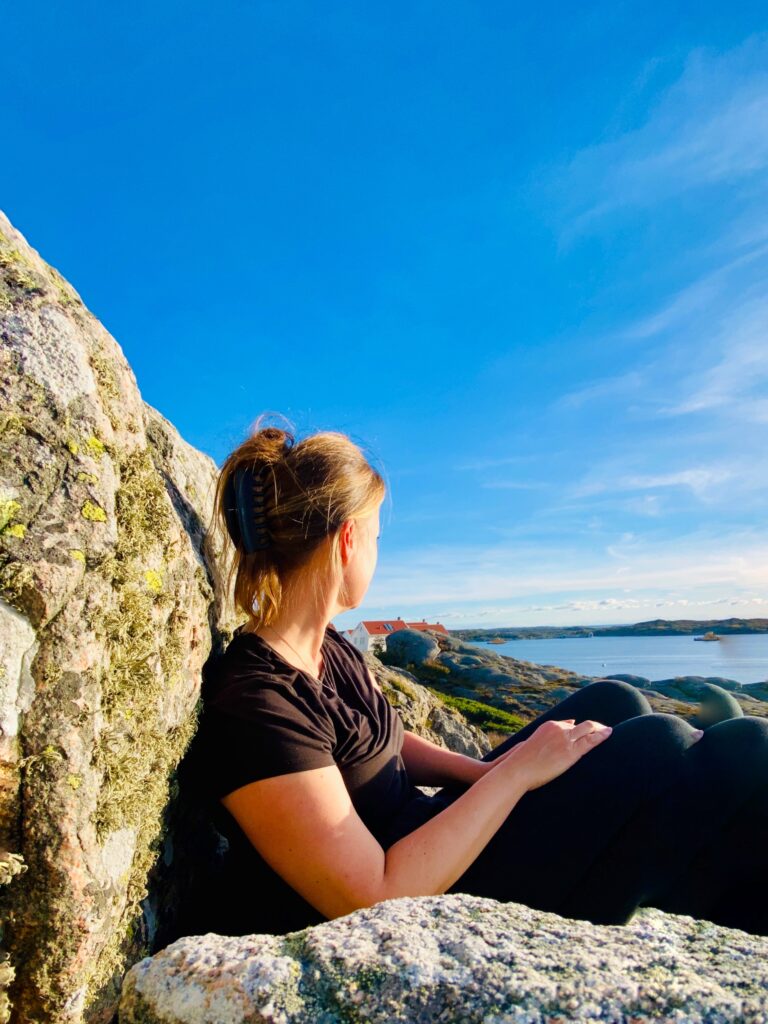
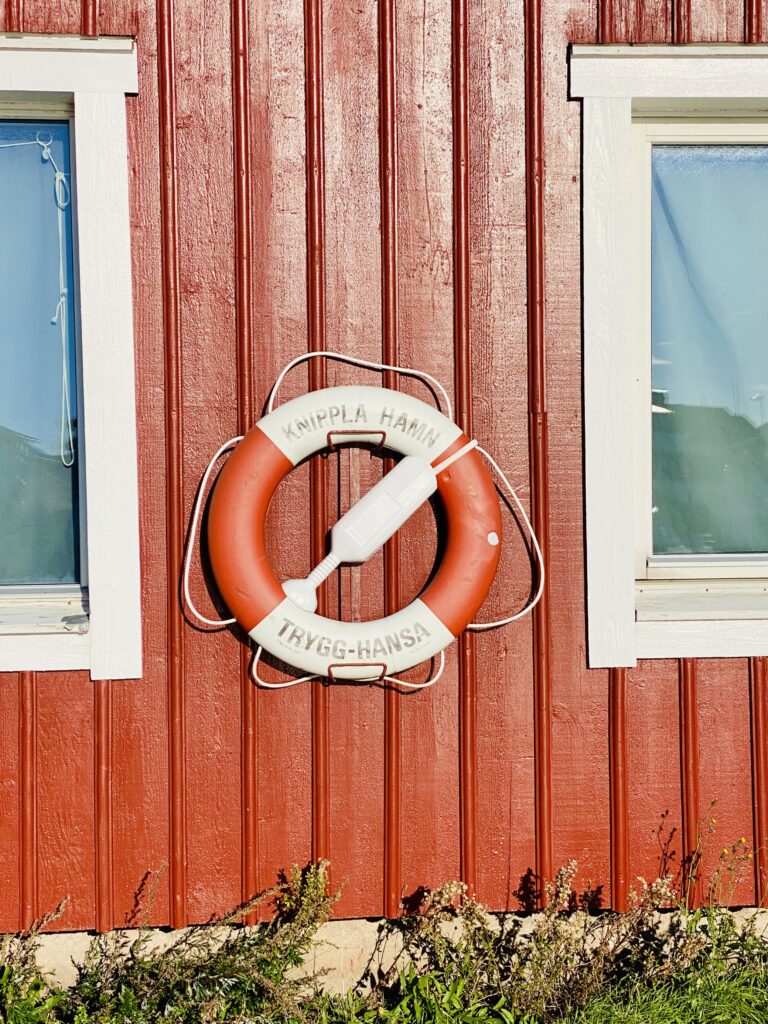
After a few stormy, rainy days, which we still spent quite well in Gothenburg, we headed out into the Kattegat at the end of September and finally got to sail a little again. Before winter, we wanted to spend a bit more time in the northern archipelago of Gothenburg. We had visited Grötö by ferry the year before and thought it was lovely there. An idyllic, peaceful island, exactly the right thing after a week in the big city. After that we also visited Källö-Knippla, a bit bigger and more built up. Still just right for relaxed days.
🗺️ Special experiences & learnings
- LTE works very poorly in fog; for those two days at anchor we could barely work properly.
- Although hugely impressive in size, the locks in the Trollhätte Canal are no problem.
- When calling up bridges and locks on the radio, we mostly got no reply; by phone it worked better.
⚓ Our favourite place on this trip
- Lindökroken
💡 Practical tips for anyone sailing the same route
- For the Trollhätte Canal, you definitely need a fender board. The lock walls are very uneven and really more designed for the big ones.
- Only the section between Lilla Edet and Vänersborg may be used by leisure boats between 9 am and 7 pm; the rest can also be navigated in the evening or at night. We made two stopovers: in Kungälv for Bohus Fortress and in Trollhättan.
🖼️ Gallery
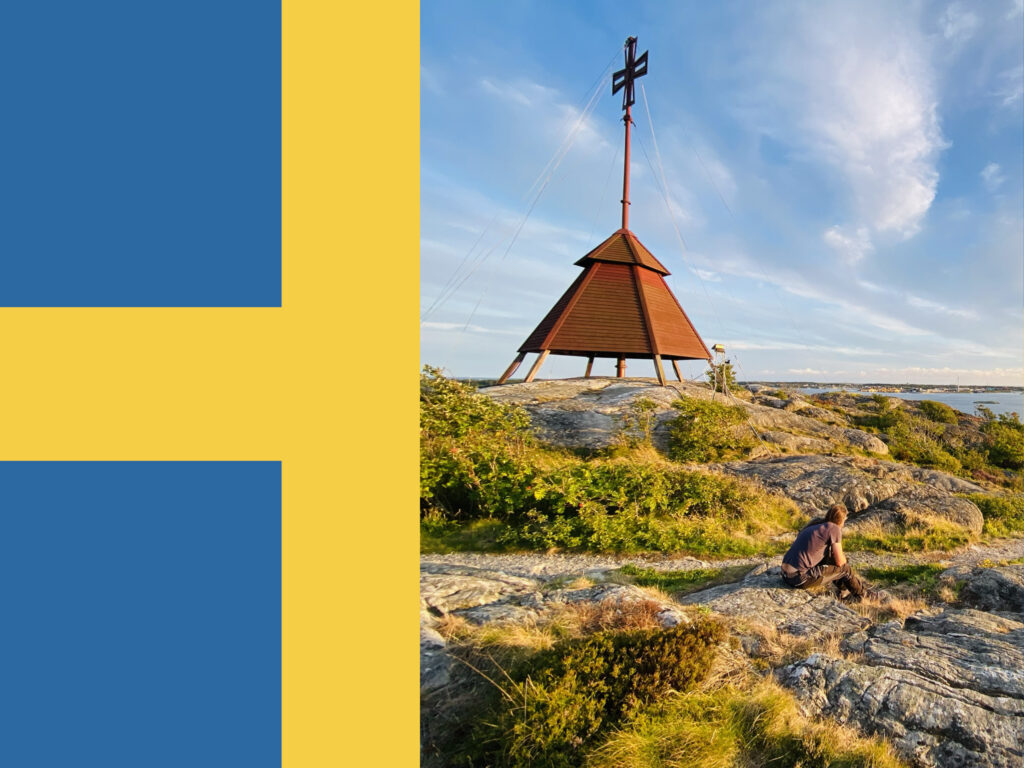
Sailing in West Sweden
Discover the best sailing West Sweden tips for cruising grounds, anchorages, and practical advice for your next sailing adventure along Sweden’s west coast .