🧭 Factsheet
Route: From Stavern to Mandal
Period: 21 to 27 April 2025
Log: 122 nautical miles
Days in harbour: 3
Days at anchor: 1
Highlight: Mooring alongside a skerry for the very first time.
📍 Our route & legs
Leg 1: Stavern → Arendal
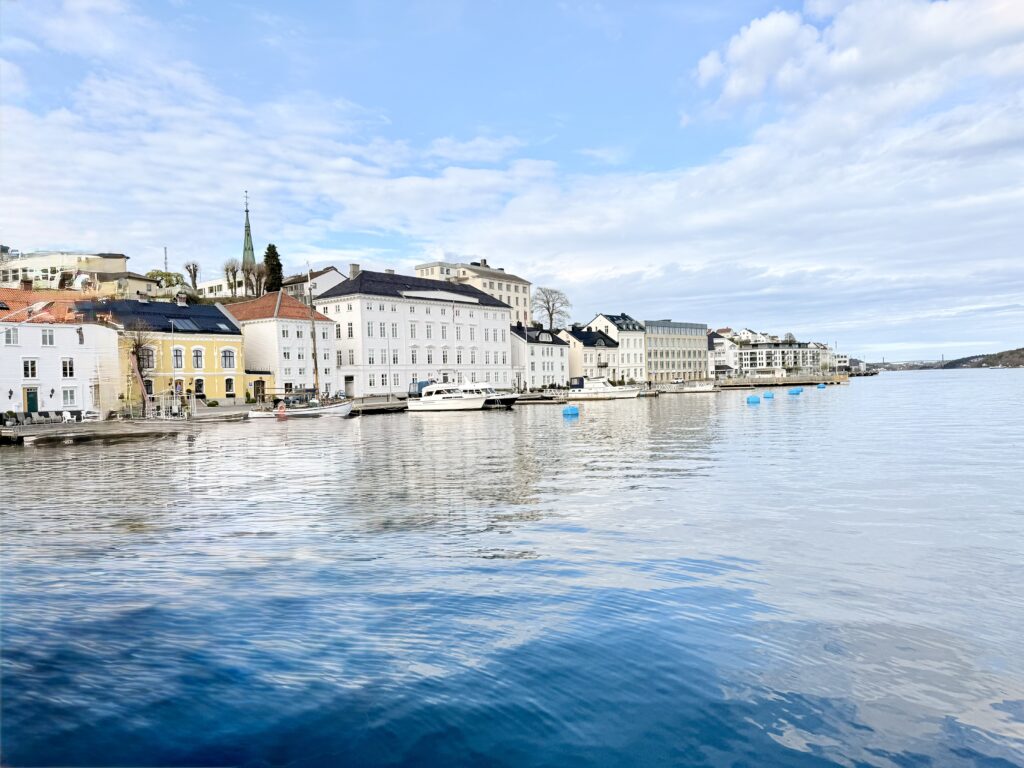
Our first passage in Norway on Easter Monday was, by our standards, a long one straight away. We’d set ourselves 53 nautical miles to get directly to Arendal. A free wind (from behind) was forecast from the north-east. At first we sailed under mainsail only; later, as the wind picked up and swung a little more northerly, we added the genoa. In Arendal we wanted to stay until the weekend so we could work through a few things on the to-do list.
Leg 2: Arendal → Indre Maløya
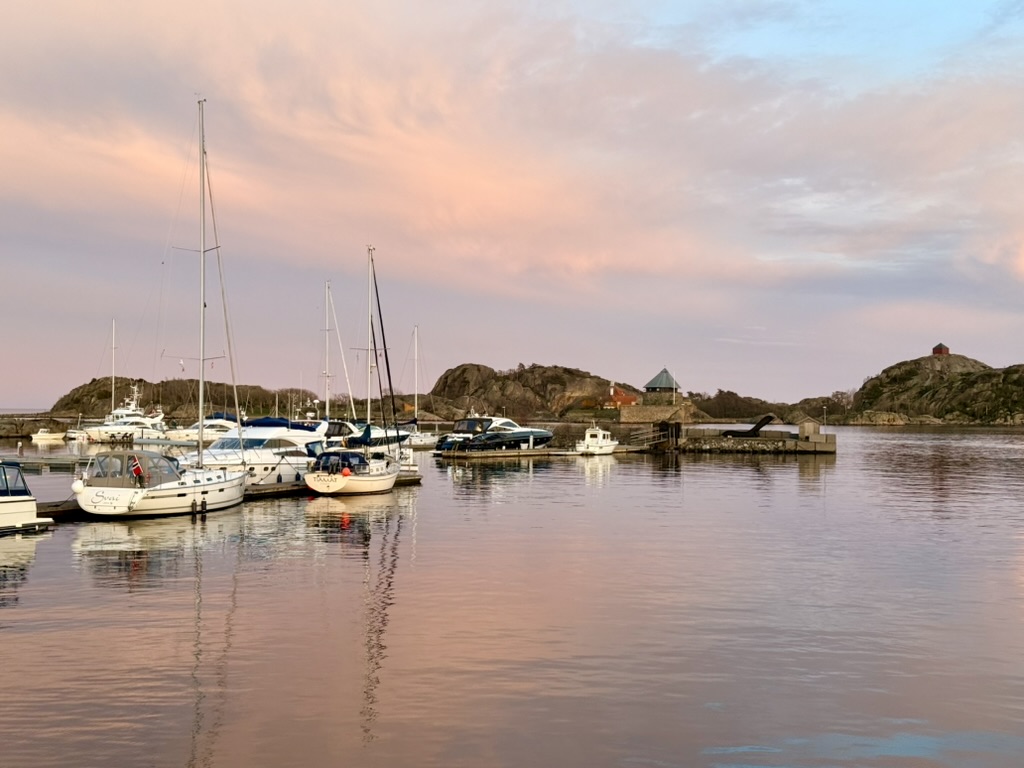
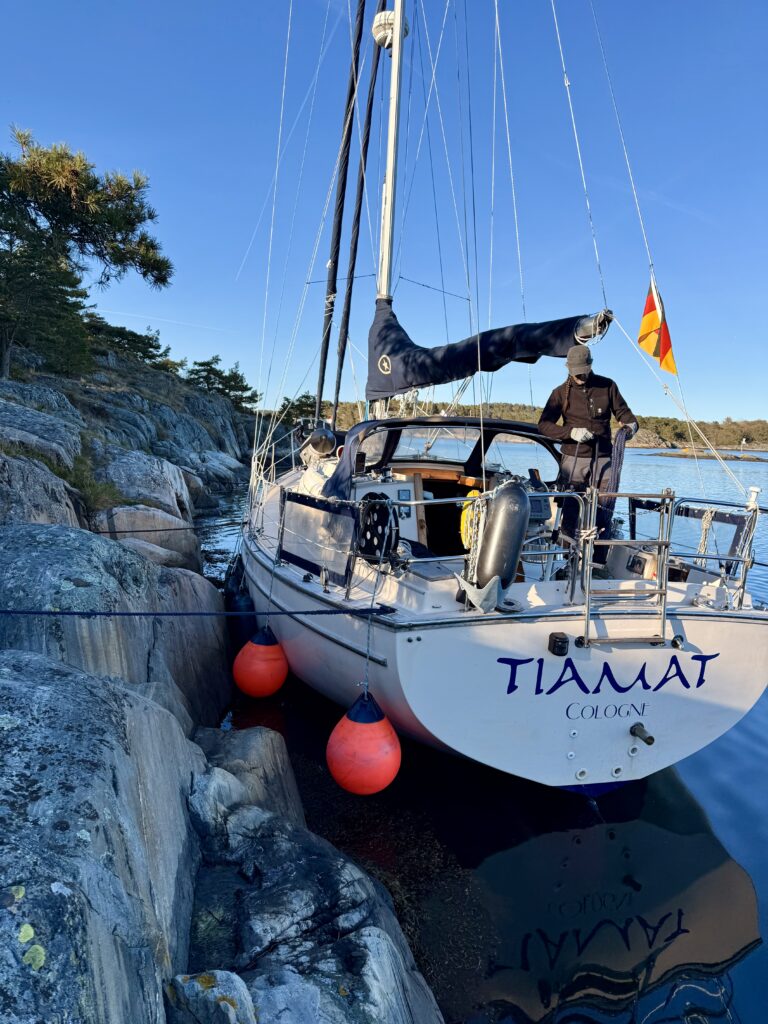
On Friday we headed straight into the sailing weekend right after work. We’d topped up our provisions in Arendal, so that was one less thing to worry about. There was barely any wind, so we looked for a sweet little anchorage near Mandal that would also have a skerry to moor alongside. Something we’d never dared attempt in two whole years in Sweden. So we puttered out of Mandal under engine and then headed north-west. When we arrived at the anchorage, we quickly spotted the rock and could see the bolted rings for mooring. We put every fender we had along the port side and made a careful first pass close to the rock to check the depth. All fine. With our draught of 1.35 m, that’s rarely a problem. Still, the dense water plants made it hard to see how the rock continued underwater. But we summoned all our courage and crept in very gently. Antje hopped across and tied the lines to the rings and carefully to a tree. Done! That definitely called for a celebratory drink.
Leg 3: Indre Maløya → Bragdøya (Kristiansand)
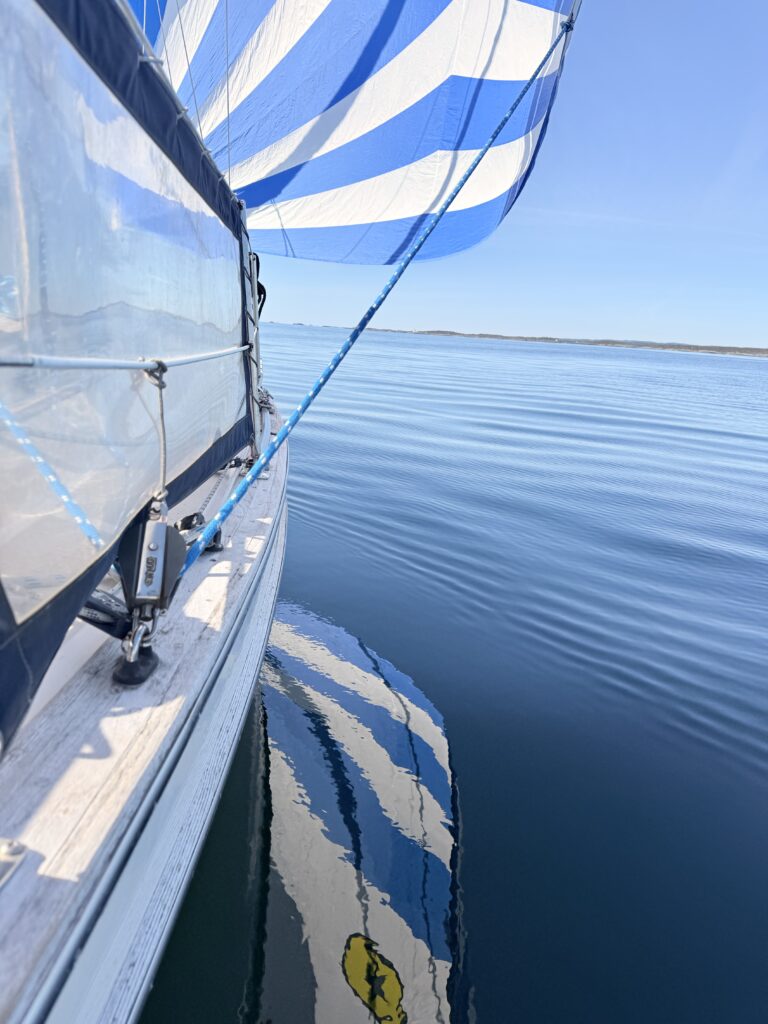
In the morning we had plenty of time for a leisurely coffee, because the promised wind was in no hurry to arrive. Then we set off. After a bit of motoring, the wind finally showed up and treated us to pure sailing pleasure with our reaching sail — just the right thing for a light, following breeze. Just before Kristiansand we packed it away again and motored into the rather large bay in front of the city. Bragdøya, a small island just offshore, was our second destination. We weren’t in the mood for the city itself. The little jetty is free of charge and offers nothing beyond something to tie up to. But the island is wonderful for a stroll through the woods. On the old shipyard grounds there are many historic wooden vessels — well worth a visit if you’re interested in boat building.
Leg 4: Bragdøya → Mandal
On Sunday the wind swung to the west and for the first time in ages we had a beat to windward. We tried motoring away from the coast first, thinking the wind would be a bit stronger out there than right along the shore. That worked for a while. We tacked twice to make progress. But when we were quite far out in the Skagerrak, the wind suddenly vanished — replaced by a strong current and steep waves that rocked the boat quite thoroughly. Steering became pointless; every time we punched into a wave we were slowed almost to a standstill. So on with the engine and get those waves behind us.
Sailing in Norway
Discover the best sailing tips for Norway: cruising areas, anchorages and practical advice for your next sailing adventure along the Norwegian coast
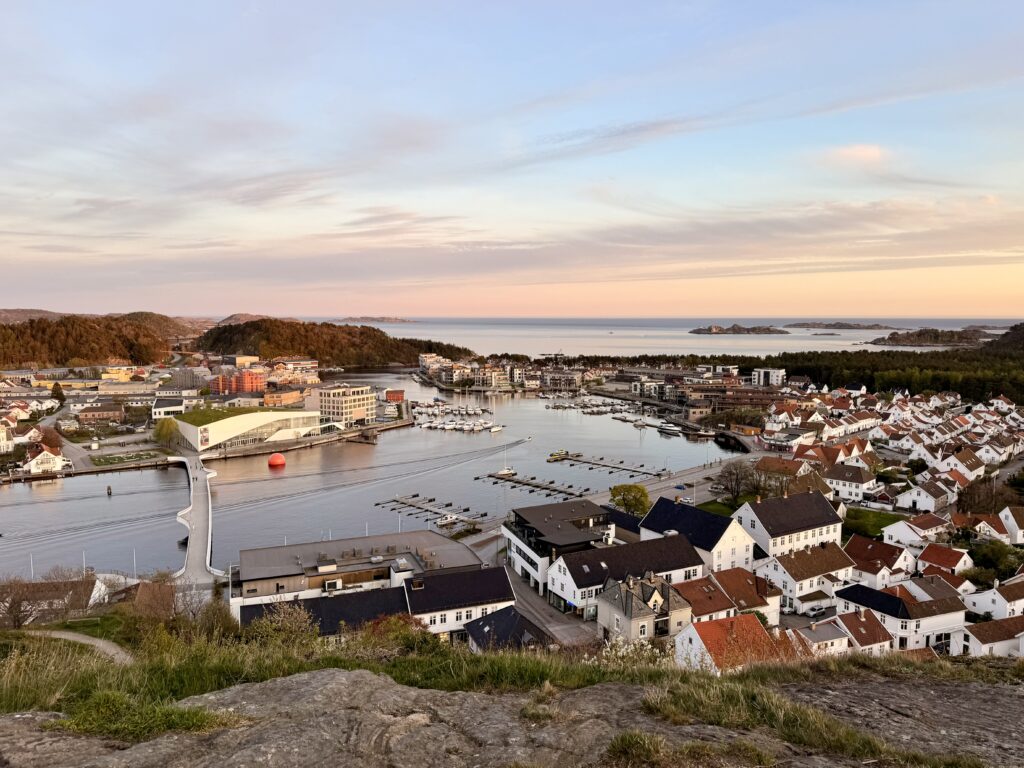
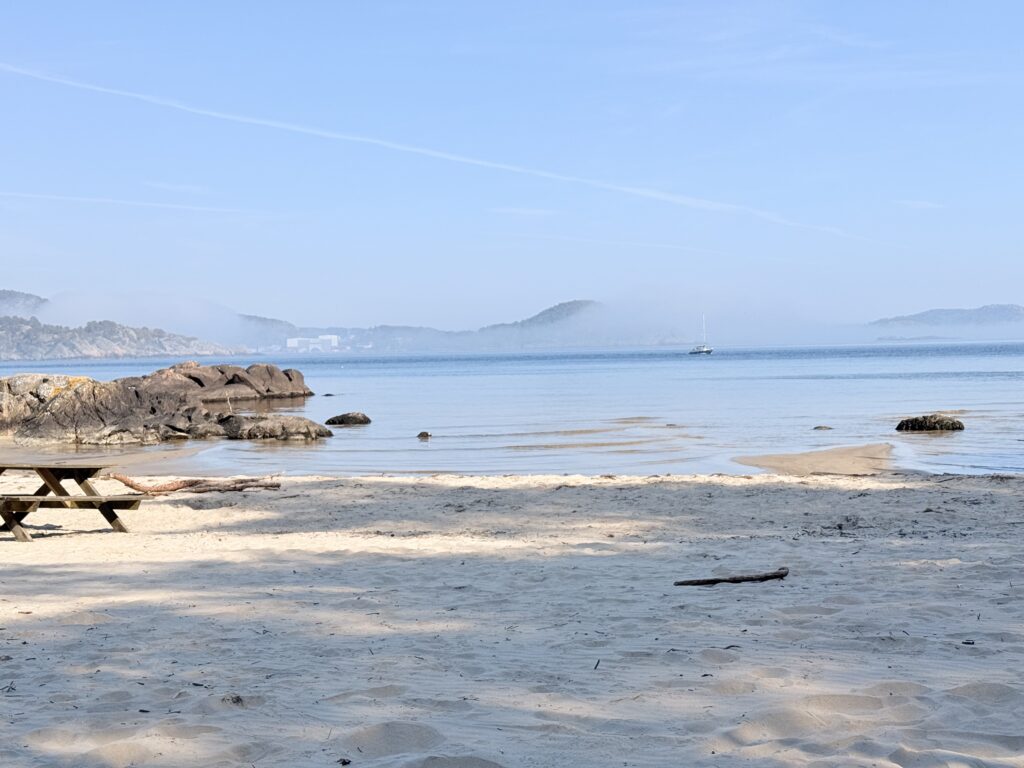
Mandal welcomed us with lovely weather and a fantastic harbour. We stayed here until the end of April and didn’t sail on until May. In the meantime we even had a visit from customs. The friendly officers checked our passports, asked about any goods to declare, and gave us some great tips for the onward journey. We really took to Mandal. The harbour was absolutely perfect, two supermarkets nearby, and a lovely forest with a beach. It was still too cold for swimming, but the large woodland area was wonderful for walking and hiking.
🗺️ Highlights & lessons learnt
- Mooring alongside a rock is somehow easier than using a stern anchor. But you do need a sheltered spot with no tidal movement or swell.
⚓ Our favourite spot this trip
💡 Practical tips for fellow sailors
- Alongside Windy, we also used the Danish Meteorological Institute’s website DMI.dk and Barentswatch.no for passage planning along the south coast. Both helped us get a much better picture of current conditions and wave heights.
- Many Norwegian harbours use GoMarina. It’s worth installing the app.
🖼️ Gallery